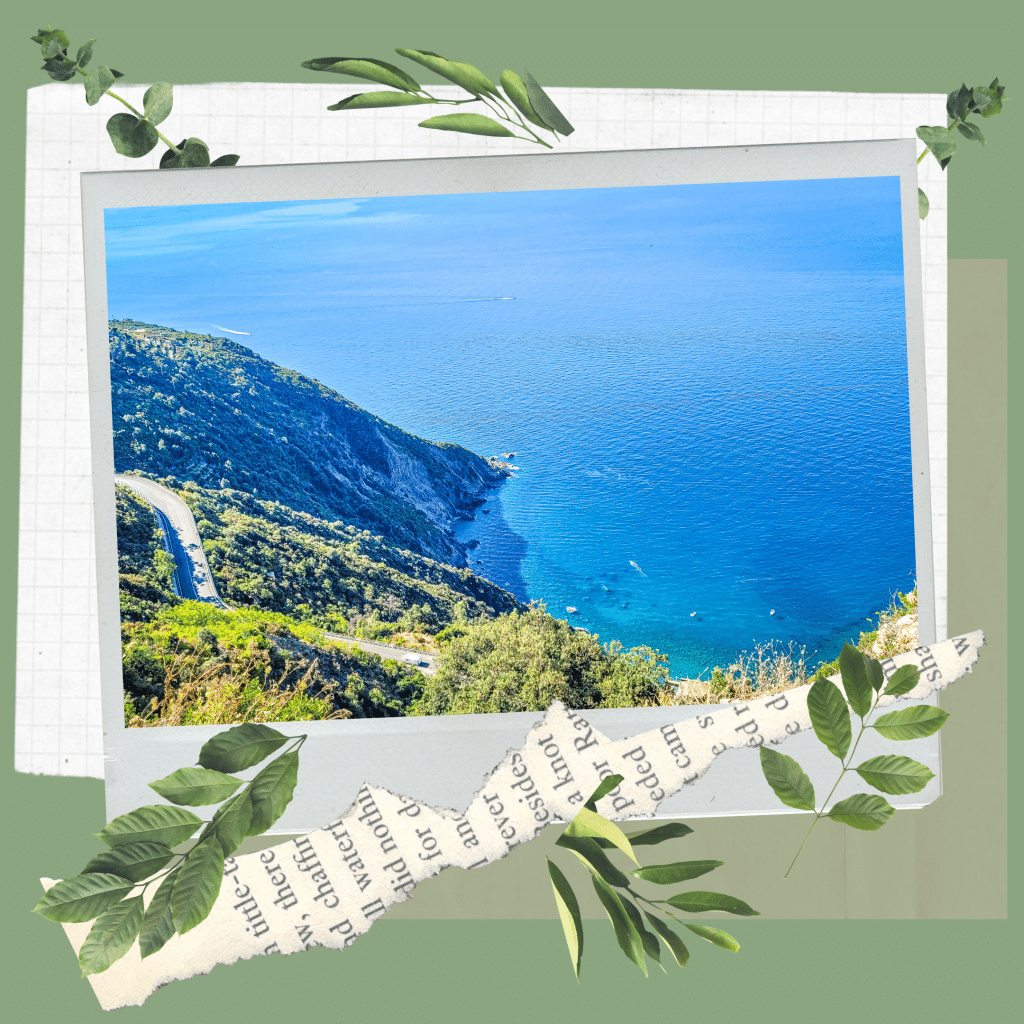
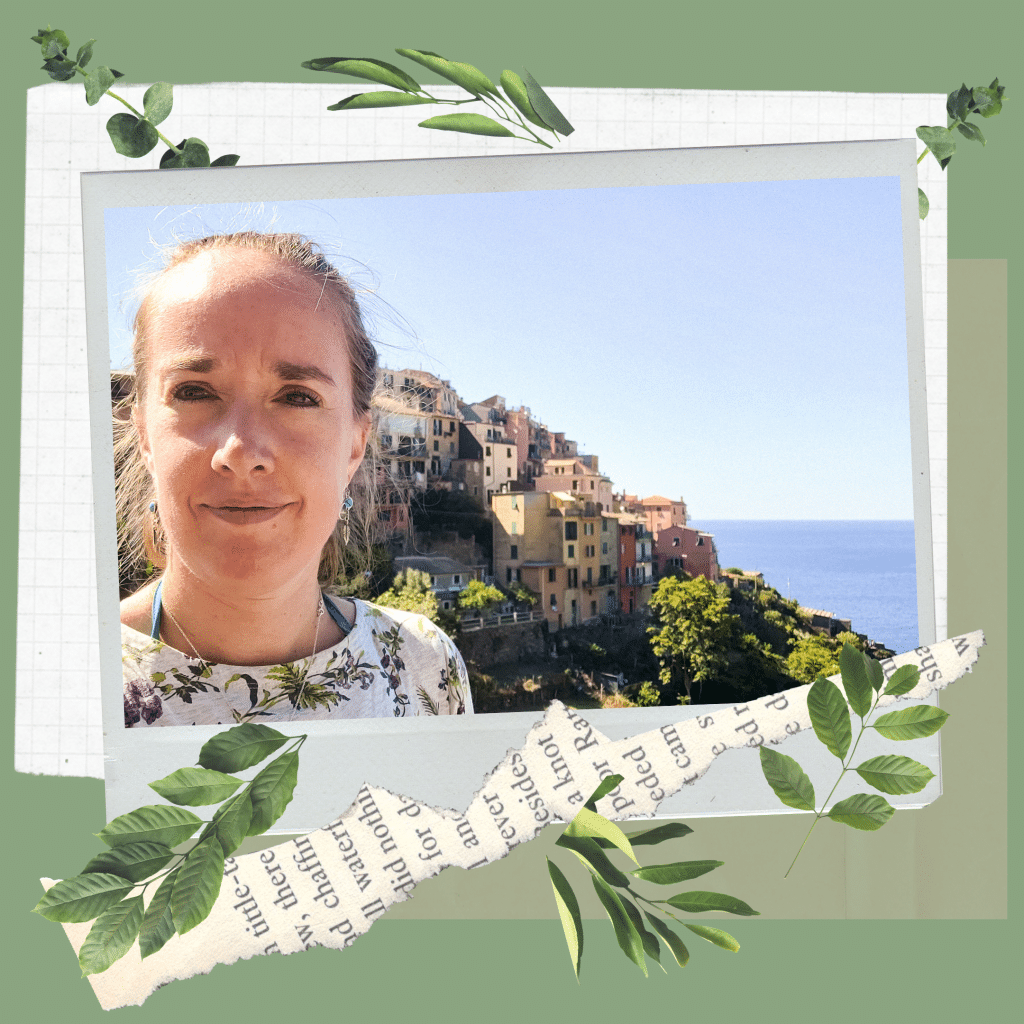
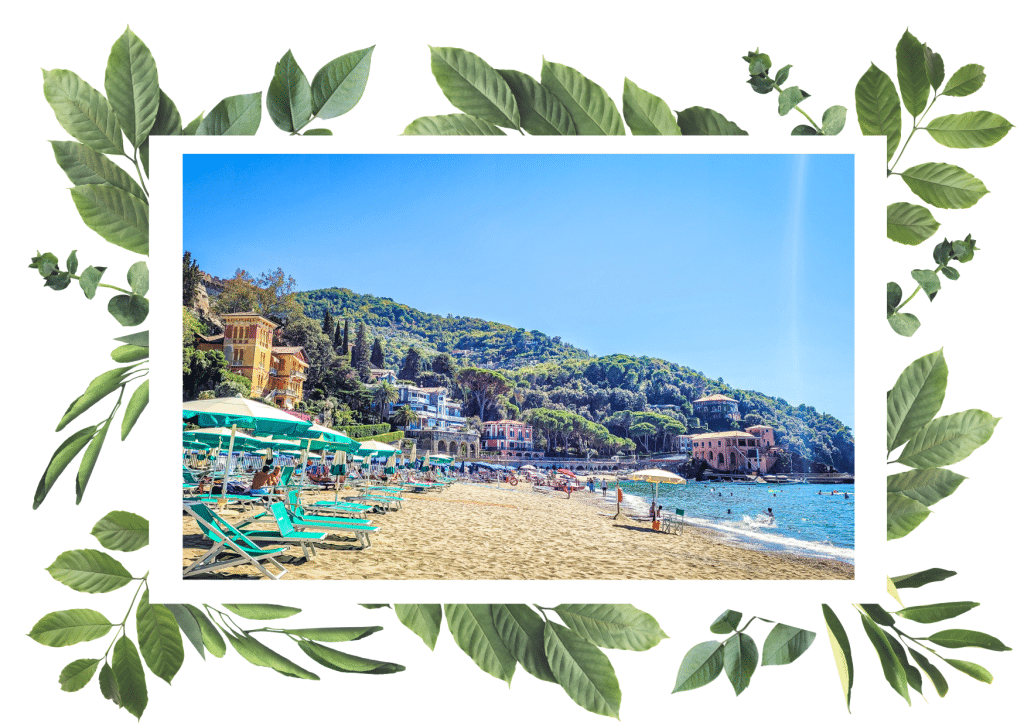
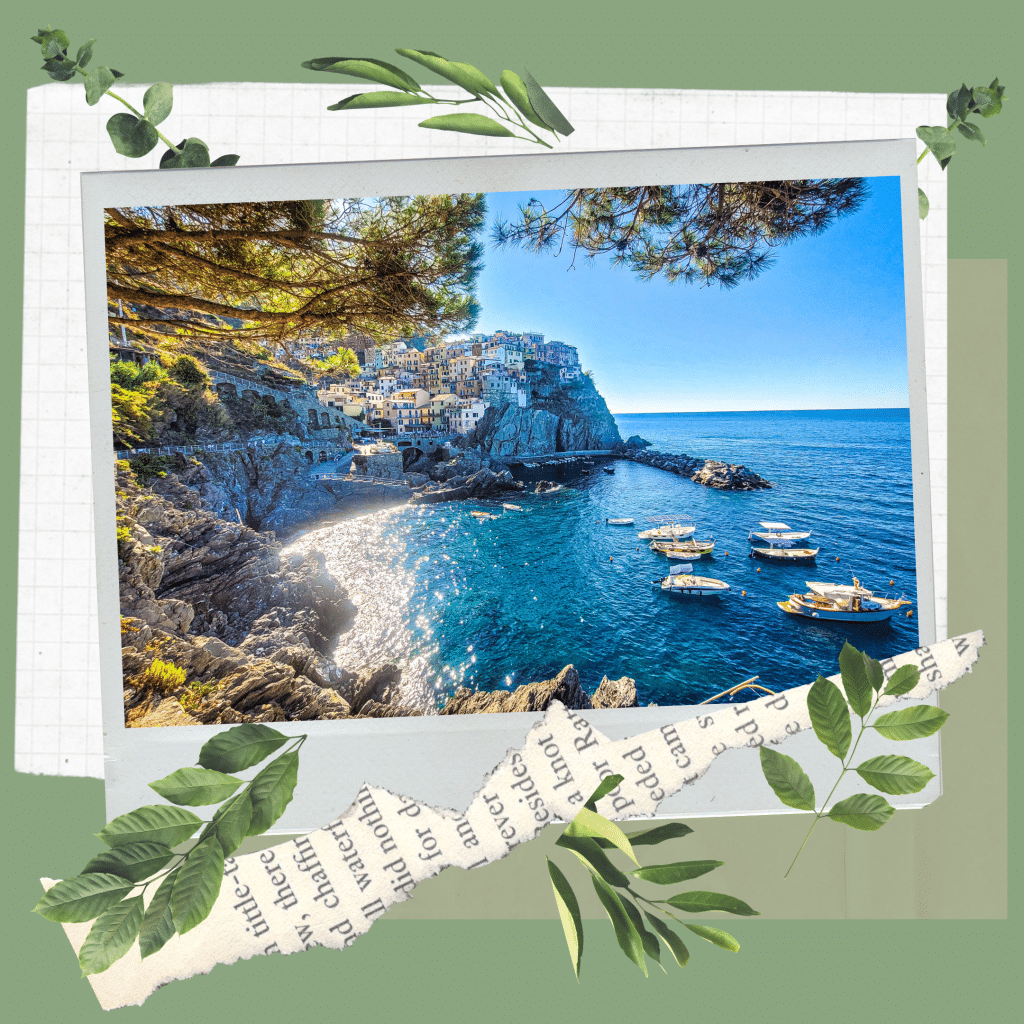
The five village
Each of the five villages of Cinque Terre has its own charm, character, and story. From fishing harbours to medieval fortresses, here’s what makes each one worth exploring:
Monterosso al Mare: The beach lover’s paradise
Monterosso is the largest and most resort-like of the five villages, known for its sandy beaches, colourful umbrellas, and beachfront promenade. It’s divided into an old town and a newer area, connected by a pedestrian tunnel. Here you’ll find historic sites like the Church of San Giovanni Battista, lemon groves, and the famous Statue of the Giant carved into the cliffside. It’s the best village to stay in if you want beach time and more hotel options, including luxury stays with a pool.
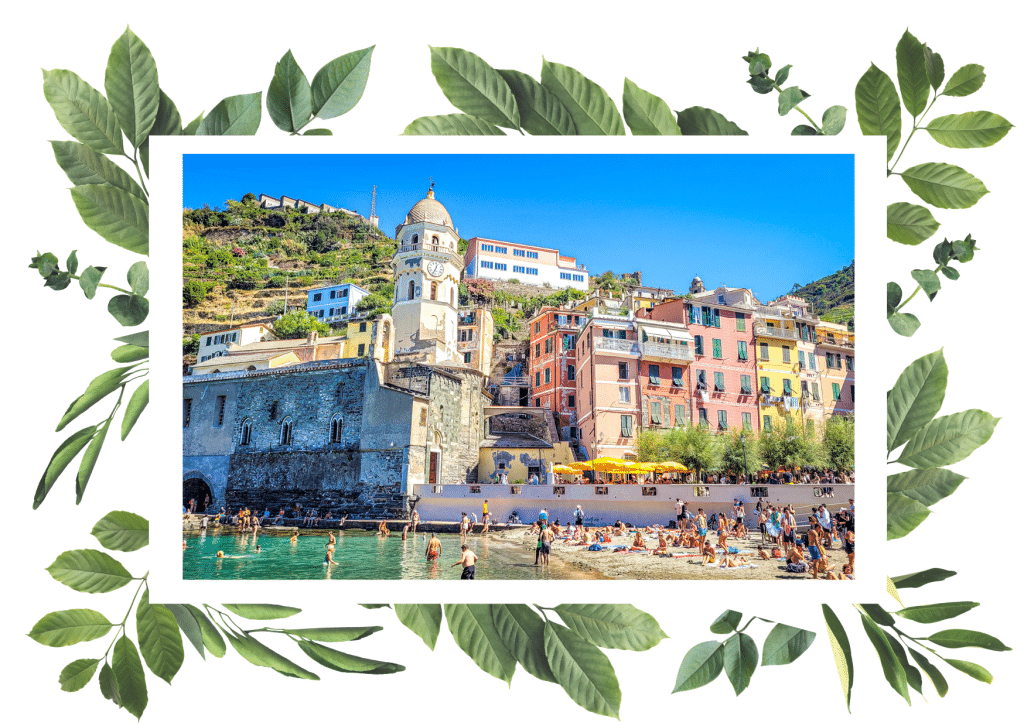
Vernazza: The postcard-perfect village
Often considered the most picturesque is Vernazza. This village has a natural harbour, a romantic waterfront piazza, and curving streets. Above the village is Doria Castle. From here you have panoramic views of the coast. With its pastel houses, lively cafés, and fishing boats bobbing in the bay, Vernazza feels like stepping into a painting. It’s also one of the best places to catch the sunset.
Corniglia: The hidden hilltop gem
Unlike the other villages, Corniglia is located on a cliff high above the sea and doesn’t have direct access to the water. It’s quieter and less crowded and has incredible views. You can reach the village by climbing the Lardarina staircase (377 steps) or taking a shuttle from the train station. Corniglia is known for its vineyards, scenic terraces, and a more authentic, local atmosphere.
Manarola: The Instagram favourite
Manarola is famous for its dramatic cliffside setting and colourful houses stacked like Lego blocks above the harbour. It’s a favourite among photographers and romantics. The Via dell’Amore (Lover’s Lane) is a scenic walking path and connects Manarola to Riomaggiore when open. Don’t miss a glass of Sciacchetrà, the region’s sweet wine, in a local wine bar with sea views. At golden hour, this village glows.
Riomaggiore: The gateway to Cinque Terre
As the southernmost village and often the first stop from La Spezia, Riomaggiore welcomes you with narrow lanes, vertical homes, and a colourful harbour built into the cliffs. The town has a lively energy, with bars, seafood restaurants, and great spots for sunset photos. It’s also home to the remains of a medieval castle and is a good base for accessing both boat tours and hiking trails.
How to get to Cinque Terre
The easiest and most eco-friendly way to travel to Cinque Terre is by train. You can reach the area from major Italian cities such as Florence, Pisa, or Genoa. The most convenient entry point is La Spezia, a city just southeast of the national park. From Florence, the journey takes around 2.5 hours, while from Pisa or Genoa it’s roughly 1.5 hours. Once in La Spezia, hop on the Cinque Terre Express, a regional train that runs frequently between all five villages. I took this route myself and found it stress-free and scenic. Plus, the train station in each village is just a short walk from the centre.
How to get around in Cinque Terre
Getting around Cinque Terre without a car is not only possible, it’s highly recommended. The villages are mostly car-free and connected by the Cinque Terre Express. This runs every 15–30 minutes during peak season. For unlimited travel, the Cinque Terre Train Card offers great value and also includes access to the hiking trails. You can also travel between the villages by ferry. From the boat you have stunning coastal views from the water (except for Corniglia, which is inland and not accessible by boat). For active travellers, hiking the scenic trails between the villages is a rewarding way to explore, especially the famous Sentiero Azzurro (Blue Trail). Whether you’re travelling by foot, train, or boat, the region is compact and well-connected, making it easy to explore without stress.
3-day itinerary
Planning a short escape to the Italian Riviera? This 3-day Cinque Terre itinerary covers the perfect mix of hiking, coastal views, and local culture. Whether you’re here for the trails, the seafood, or the sunsets, these three days will show you the very best of this UNESCO-listed gem.
Day 1: Exploring Monterosso & Vernazza
- Morning: Arrive in La Spezia and take the Cinque Terre Express to Monterosso al Mare, the largest village.
- Late morning: Stroll the old town and relax on Fegina Beach. Grab a traditional focaccia or seafood lunch by the sea.
- Afternoon: Hike the scenic Blue Trail (Sentiero Azzurro) from Monterosso to Vernazza (about 1.5–2 hours, moderate). It’s one of the most iconic trails in Cinque Terre with panoramic sea views.
- Evening: Enjoy a sunset aperitivo and dinner in Vernazza. Try pasta with pesto or grilled seafood.
Day 2: Corniglia, Manarola & wine tasting
- Morning: Take the train to Corniglia, the only village not directly on the sea. Climb the Lardarina staircase (377 steps) or take the shuttle bus up from the station. Explore this quieter gem and visit St. Peter’s Church.
- Late morning: Hike from Corniglia to Manarola via the Volastra high trail (slightly challenging but with fewer crowds and stunning vineyard views).
- Afternoon: In Manarola, explore the harbour, relax on the rocks, and enjoy a wine tasting at a local enoteca. Don’t miss the chance to try Sciacchetrà, the region’s sweet wine.
- Evening: Stay in Manarola for dinner at a cliffside restaurant like Nessun Dorma. It is perfect for sunset views over the sea.
Day 3: Riomaggiore, boat ride & optional hiking
- Morning: Head to Riomaggiore, the southernmost village. Wander through the narrow alleys, visit the castle ruins, and snap photos of the famous harbour view.
- Late morning/early afternoon: If open, hike the Via dell’Amore (Lover’s Lane) between Riomaggiore and Manarola (easy and romantic but at the time of writing under restoration so check status). Or take a boat tour to see all five villages from the sea.
- Afternoon: Return to your favourite village for last-minute shopping or a swim.
- Evening: Have a farewell dinner in Monterosso or La Spezia before heading back to your next destination.
Practical travel tips
Before your trip, it’s good to know that Cinque Terre is best explored by train, foot, or boat. Cars are not allowed in the villages, and parking nearby is limited. Buy the Cinque Terre Train Card or Trekking Card if you plan to use public transport or hike multiple trails. Wear proper walking shoes, especially for the coastal paths, and always check trail conditions on the official park website, as routes sometimes close due to weather or maintenance. Book your accommodation early, especially in spring and summer, and bring cash, as some small restaurants and shops don’t accept cards. If you’re hiking, start early to avoid heat and crowds, and always carry water, sunscreen, and a hat. Lastly, be respectful of the local pace. Cinque Terre is a living community, not just a tourist destination.
Travel guide
Cinque Terre
Cinque Terre is located along Italy’s stunning Ligurian coastline. The region is an amazing mix of colourful seaside villages, dramatic cliffs and history. Famous for its breathtaking hiking trails, fresh seafood, and charming architecture, this UNESCO World Heritage site offers travellers a unique escape from the ordinary. Whether you’re wandering through medieval alleys, savouring local pesto, or admiring the panoramic ocean views. Cinque Terre promises an unforgettable experience at every turn.
History
The history of Cinque Terre dates back to the early medieval period, when these five remote coastal villages: Monterosso, Vernazza, Corniglia, Manarola, and Riomaggiore were built into the cliffs of the Italian Riviera. They were shaped by centuries of isolation. Each village developed its own character and charm. I found it fascinating to walk through narrow alleyways and steep staircases, where centuries-old homes are painted in warm colours to guide fishermen home. The locals once fortified their villages against pirate attacks, and you can still see defensive walls, watchtowers, and medieval castles. A great example is the Doria Castle in Vernazza. The layered terraces that define the region’s landscape were carved by hand over generations. It shows the ingenious mix of architecture and agriculture that has earned Cinque Terre its UNESCO World Heritage status.
Architecture
Cinque Terre architecture is an excellent example to how people adapted to the dramatic terrain. From Romanesque churches like the Church of San Lorenzo in Manarola to Gothic structures such as the Church of San Giovanni Battista in Monterosso. These buildings reflect both faith and resilience. I highly recommend joining a Cinque Terre tour with a local guide. It often includes visits to the most iconic sights. Whether you’re an architecture lover or simply curious about the past, exploring the medieval villages of Cinque Terre will give you a new appreciation for this rugged stretch of coast.
Where to stay
If you’re looking for luxury hotels in Cinque Terre with a pool or ocean view, options are limited within the villages due to space and preservation laws. But there are a few gems around. In my article Best luxury hotels in Cinque Terre with a pool and/or ocean view, I highlight elegant stays like Hotel Porto Roca in Monterosso. They have stunning clifftop pool overlooking the Ligurian Sea. For more space and upscale amenities, boutique hotels just outside the park, like Grand Hotel Portovenere, have panoramic views, a pool, and a peaceful retreat after a day of exploring.
Hiking the Cinque Terre trails
Hiking in Cinque Terre is one of the most iconic and rewarding ways to explore this coastal region. The area is mixed with ancient footpaths that connect the five villages. From the trails you have breathtaking views of the Ligurian Sea, colourful terraced vineyards, and steep cliffs. The most famous route is the Sentiero Azzurro, or Blue Trail, a well-marked coastal path that links Monterosso, Vernazza, Corniglia, Manarola, and Riomaggiore. Each section takes 1–2 hours to hike, and the trail is accessible to most people with a moderate fitness level. Though some parts have steep climbs and stone steps.
If you’re up for more of a challenge, try the Sentiero Rosso (Red Trail), a higher-altitude path that crosses the ridge line with panoramic views and fewer crowds. Another fantastic hike is the Lardarina Staircase, a 377-step climb up to Corniglia. The only village not directly on the sea. To access most of the coastal trails, you’ll need the Cinque Terre Trekking Card, which supports the park’s maintenance.
I recommend checking the trail conditions before you go, as sections may be closed for repairs or after heavy rains. Wear sturdy shoes, bring water and sunscreen, and start early in the morning for cooler temperatures and quieter paths. Hiking in Cinque Terre lets you slow down and truly soak in the magic of this rugged coastline.
Food & wine region
Cinque Terre’s food and wine reflect its coastal setting and Ligurian heritage, fresh, simple, and full of Mediterranean flavour. One of the must-try specialties is pesto alla Genovese, made with local basil, garlic, pine nuts, and olive oil. You’ll often find it served over pasta or spread on warm focaccia. Seafood lovers will enjoy anchovies from Monterosso, a regional delicacy best eaten fresh, marinated, or fried.
Don’t miss a taste of focaccia di Recco, thin and cheesy, or a cone of fried seafood known as fritto misto. For something sweet, try torta di riso (rice cake) or lemon-based desserts, made with citrus grown in terraced groves above the villages.
Pair your meal with a glass of Cinque Terre DOC white wine, produced from vineyards clinging to the cliffs. Or go for the Sciacchetrà, a rare and sweet passito wine traditionally enjoyed with dessert. I loved visiting a local enoteca (wine bar) in Manarola, where the views and wine were equally unforgettable.
Best season to visit
The best time to visit Cinque Terre is during the spring (April to June) and early autumn (September to mid-October). In these months, the weather is pleasant, the hiking trails are open, and the crowds are much smaller than in peak summer. Cinque Terre in spring is especially beautiful, with blooming flowers along the coastal paths and clear skies for stunning sea views.
Summer (July and August) brings hot temperatures and heavy crowds, especially in July, making it less ideal for hiking or enjoying the villages peacefully. If you prefer quiet streets and don’t mind cooler weather, Cinque Terre in the off-season (November to March) can still be charming. But some restaurants, hotels, and ferry services may close or run limited hours. I visited in late September and found the balance perfect: warm sea temperatures, golden evening light, and just enough space to enjoy the trails and sunsets.
Sustainable travel tips
Preserving the fragile beauty of Cinque Terre means travelling responsibly and respectfully. These five villages face heavy tourist pressure, especially in summer, so choosing sustainable tourism practices makes a real difference. First, travel by train, not by car. Cinque Terre is car-free, and the local train system is efficient and eco-friendly. Avoid single-use plastics, especially on hiking trails and beaches, and carry a reusable water bottle (many villages have public fountains with drinkable water).
Eating at locally owned restaurants, and buying crafts from artisans instead of mass-produced souvenirs are small sustainable gestures. On the trails, stick to marked paths to prevent erosion, and respect trail closures for safety and conservation. If you’re hiking, go in smaller groups and avoid playing loud music, let nature speak. Lastly, visit in the shoulder season (spring or autumn) to help reduce overcrowding and ease pressure on the environment and locals. Sustainable travel in Cinque Terre helps protect this stunning coastline for future generations.
Latest Italy articles

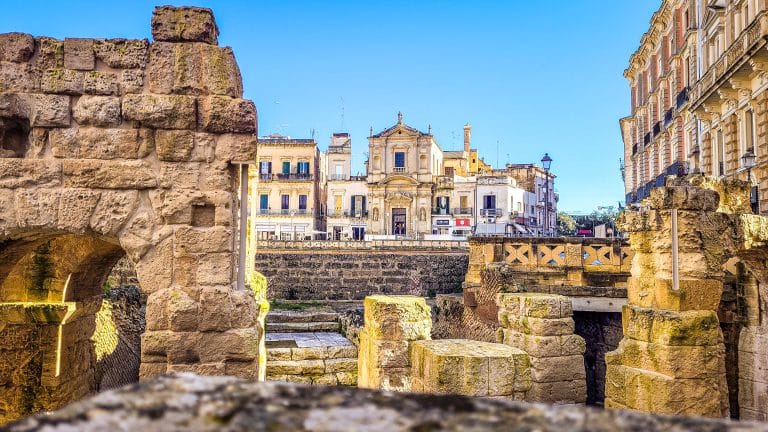
Why Lecce Is Southern Italy’s Most Underrated Travel Destination
Lecce surprised me. This first-person guide covers the highlights, the food, the day trips and everything you need to plan a trip to southern Italy’s hidden gem.

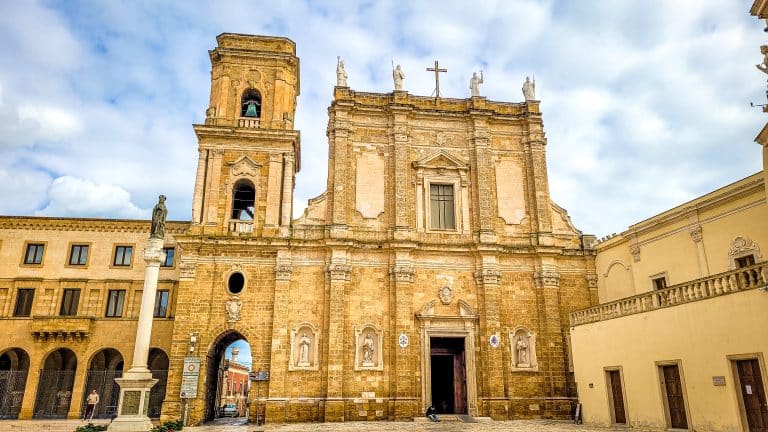
Brindisi Travel Guide: Everything You Need to Know Before You Visit
Discover Brindisi, Puglia’s hidden port city. Explore top sights, best beaches, local food, day trips & where to stay in this complete Brindisi travel guide.

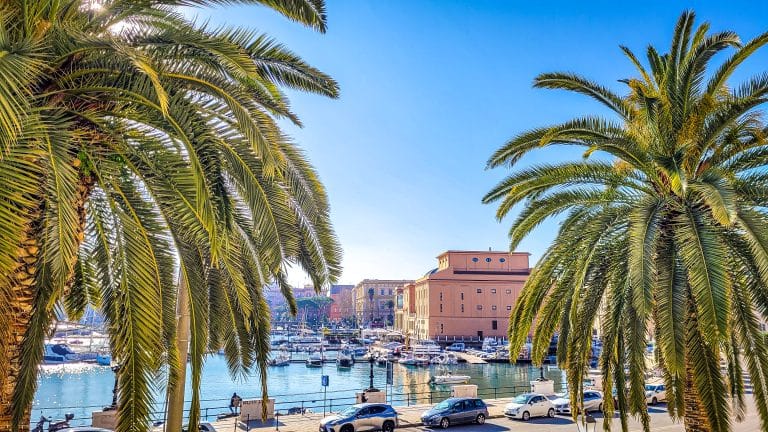
Bari Travel Guide: Discover Hidden Gems in Puglia’s Capital
Discover Bari, Italy with this complete travel guide. Explore Bari Vecchia, top attractions, local food, hidden gems in Puglia, and the best day trips from Bari.

Europe on a budget: tips, tricks, and affordable destinations
Travel Europe on a budget with practical tips, smart tricks, and affordable destinations to help you save money and plan a memorable trip.

Private yacht charters in the Mediterranean: costs, routes & insider tips
Discover the ultimate private yacht charters in the Mediterranean : costs, popular routes in France, Italy, Croatia & Greece and expert tips.

Cagliari travel guide: monumental highlights, best beaches & amazing day trips
Discover Cagliari’s best historic monuments, beautiful beaches, and unforgettable day trips with this complete travel guide to Sardinia’s capital.