Italy
Italy has a divers landscape from gorgeous islands, volcanoes, vineyards to the ancient urban architecture. The Beginners guide to Italy is created to make an overview of practical information, places to visit, a list of holidays, best time to visit and tips about public transport in this mediterranean country.
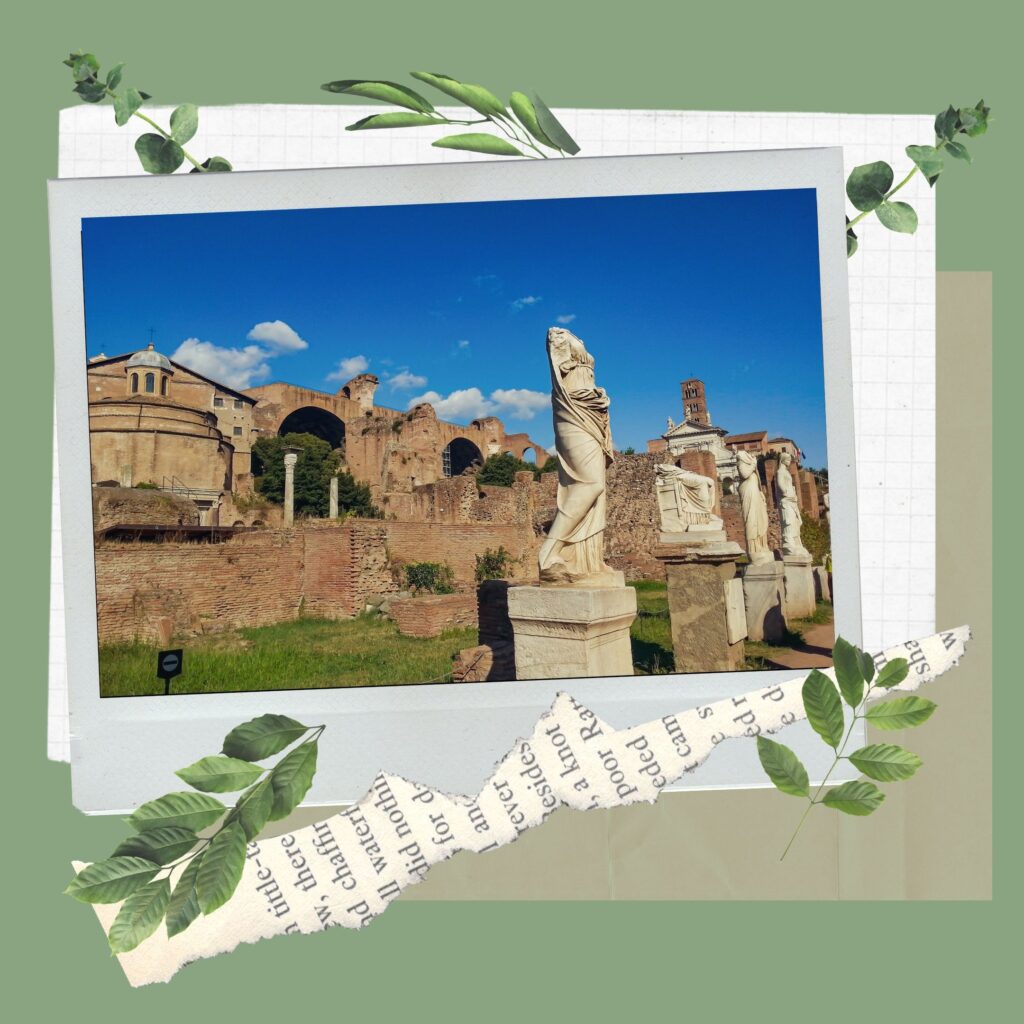
Italy is the country with the most UNESCO World Heritage Sites. Another unique fact about Italy are the 2 microstates within Italy; Vatican City and San Marino. Which means they are an independent state within the territory of Italy. Popular cities are Rome, Milan, Venice, Florence, Pisa, Verona and Naples. The city of Rome started as a small village around 750 BC. Learn more about the ancient roman architecture. Go for a virtual picture tour of historical Rome and discover the legend of Romulus and Remus, the founders of Rome.
Holidays
The Christian holidays are national holidays and most museums, offices and public services are closed on these days.
New Year’s Day: January 1st
Easter Sunday: March/ April. Easter is an important Christian holiday. Christians celebrate the resurrection of Jesus Christ. According to the Bible Christ died on the cross on Good Friday. Jesus was resurrected and came back to life on Easter Sunday.
Easter Monday: March/ April
Liberation Day: April 25th. A national day in Italy and celebrated each year. It is a national holiday because of the fall of Mussolini’s Social Republic. It also meant the ending of the Nazi occupation in 1945 and the end of the Second World War.
Labour Day: May 1st
Ascension Day: August 15th
All Saints’ Day: November 1st. Many Catholics honour the memory of deceased relatives and loved ones. They visit the graves and tombstones. Other Christians and Roman Catholics honour all saints of the church.
Mary Immaculate Conception Day: December 8th. To honour the conception of Mary in her mother’s womb without original sin. Mary is the Mother of God.
First Christmas: Day December 25th
Second Christmas Day (Boxing Day): December 26th
Monumental cities in Italy
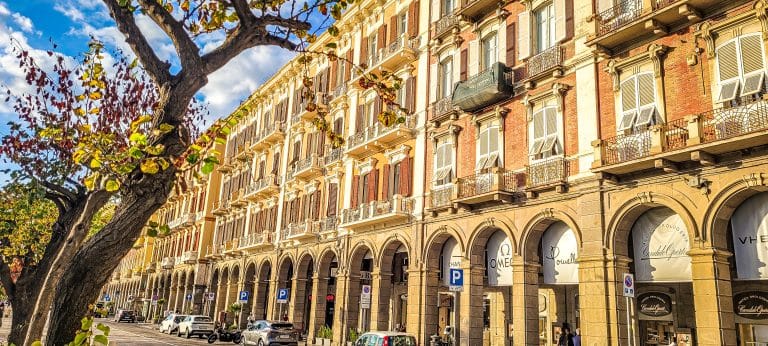
Italy is a country where every region tells a different story, through its architecture, cuisine, landscapes, and traditions. From Renaissance cities to coastal villages and alpine towns, this travel guide highlights some of northern and central Italy’s most fascinating destinations, including Bologna, Florence, Genoa, Cinque Terre, Padova, Trento, and Modena. Whether you’re an art lover, foodie, or looking for adventure. These cities are a perfect mix of culture, history, and local flavour.
Bologna: a city of porticoes and flavour
Bologna is an university city known for its gastronomy, medieval architecture, and lively piazzas. Stroll under its iconic porticoes that are now listed as UNESCO World Heritage Site. In the historic centre you should visit Piazza Maggiore and the majestic Basilica di San Petronio. Then go into the Quadrilatero market for local delicacies. Bologna is also Italy’s food capital, the birthplace of tagliatelle al ragù, tortellini, and mortadella, making it a must for culinary travellers.
Florence: Renaissance masterpieces everywhere
Florence is the cradle of the Renaissance. The city is a living museum filled with art, history, and architecture. Explore the Uffizi Gallery to admire works by Botticelli, Michelangelo, and Leonardo da Vinci. Climb the iconic Duomo for spectacular city views, and walk across the historic Ponte Vecchio lined with artisan jewellery shops. Wander through the elegant streets of the Oltrarno neighbourhood for a more local vibe, and don’t miss a sunset at Piazzale Michelangelo. Florence is a perfect balance of cultural depth and romantic charm.
Genoa: port city with a noble past
Genoa was once a powerful maritime republic. The city combines gritty charm with baroque elegance. Its labyrinthine old town is one of the largest in Europe and known for the narrow alleyways (caruggi), historic palaces like Palazzo Rosso and Palazzo Bianco. Explore the restored Porto Antico area. Genoa is also the gateway to the Italian Riviera and the birthplace of pesto. This is best enjoyed with fresh trofie pasta and a glass of Ligurian white wine.
Cinque Terre: coastal Villages with dramatic beauty
Cinque Terre is a UNESCO World Heritage Site. It is a string of five pastel-coloured fishing villages that are located on cliffs above the Ligurian Sea. Connected by scenic hiking trails and a local train line, the towns are Monterosso, Vernazza, Corniglia, Manarola, and Riomaggiore. Each have their own character and charm. Hike the famous Sentiero Azzurro or enjoy a sunset boat ride along the coast. With terraced vineyards, fresh seafood, and dramatic sea views, Cinque Terre is ideal for slow travel, photography, and outdoor lovers.
Padova: art, faith, and ancient learning
Often overshadowed by nearby Venice, Padova (Padua) is a hidden gem with a prestigious university and artistic heritage. The Scrovegni Chapel is decorated with Giotto’s groundbreaking frescoes. It is a must-see for art lovers. The Basilica of Saint Anthony attracts pilgrims from around the world, while Prato della Valle is a scenic place to relax. Padova is also a city of science, home to Galileo’s former classrooms, and has a lively café culture frequented by students and locals.
Trento: alpine culture meets Italian style
Situated in the Dolomites, Trento mixes Italian elegance with Tyrolean traditions. Its Renaissance style city centre is a joy to explore. The centre is known for the grand Piazza Duomo with its beautiful frescoed buildings and the Trento Cathedral. Visit the Castello del Buonconsiglio that was once home to prince-bishops, and explore the city’s role in the Council of Trent. With nearby access to hiking, skiing, and mountain lakes, Trento is a great year-round destination for outdoor enthusiasts and lovers of refined mountain towns.
Modena: fast cars and fine food
Modena is a compact city that is famous for its culinary and automotive fame. Known as the birthplace of balsamic vinegar, Modena is also home to several Michelin-starred restaurants, including the legendary Osteria Francescana. Visit the UNESCO-listed Modena Cathedral and Torre Ghirlandina for a taste of Romanesque architecture. Car lovers can explore the Enzo Ferrari Museum and nearby Maserati and Pagani factories. Whether you’re drawn by fast engines or slow-aged vinegar, Modena delivers an unforgettable experience.
Practical info
Currency: Euro €
Languages: Italian
Religion: Christianity (83%), no religion (12%), Islam (4%) and others (1%)
Capital city: Rome
Visa: To visit Italy some nationalities need a Schengen visa, other nationalities are exempt. Read the article European Schengen Visa to know more about this subject.
Local SIM Card: Buying a local SIM-card is much cheaper than paying the international rates on your non-European cell phone plan. A local Italian SIM- card allows you to use data, make phone calls within Italy and even use data in different EU- countries without any additional fees. You have to buy a SIM-card in person and bring your ID-card or passport. Best providers in Italy are Vodafone and TIM.
eSIM: Consider Airalo as a viable option for purchasing an eSIM. It’s crucial to ensure that your phone supports eSIM usage before investing in a plan.
Country Code: +39
Time: UTC 1+ (winter), UTC + 2 (summer)
Official Tourism Website: Visit the official Tourism website of Italy, Agenzia Nazionale Turismo (English Version).
Practical info: Are you planning a trip and you need some practical info? Read the ultimate planning guide when you are going for a long term journey and download the packing list. I share tips about setting up a travel budget. Or find out the best travel apps to use.
Sustainable travel: I have written a few articles about sustainable travel. I give tips about how to make your trip more sustainable and how to fly more sustainable. I believe even the smallest effort can help.
Public Transport
Train
The Italian train system is efficient and less expensive compared to other European countries. The large train network goes under the name Trenitalia and connects every corner of the country. International sleeper trains connects major Italian cities with other European cities such as Vienna, Hamburg, Paris and Barcelona. You must validate your ticket before starting your trip. If you booked a ticket for a specific train you don’t need to validate it beforehand.
There are regional trains and you don’t need to reserve a ticket. The trains on some routes can be very slow. The Intercity trains are comfortable and fast. They are connecting the major cities and main towns. Le Frecce is the high speed train network and provides daily connections between the major Italian cities. To get the best fares you need to book in advance. Reserving a seat is required.
Bus
Almost every place and corner of the country is connected by bus. In remote towns and villages schedules are not always up-to-date. Bus services are sometimes reduced in weekends, during holidays and in winter. Bus terminals are often located next to a train station. It’s possible to buy tickets at the station ticket office or in advance online. Check Omio to book long-haul bus tickets.
Boat
Large car-ferries connect the Italian islands of Sicily and Sardinia with the mainland (Genoa and Napels). There are different private companies to choose from. Destinations around the larger lakes in north Italy are connected by boats and ferries. The number of connections are reduced in winter.
Best time to go
Italy is a year-round destination. January is the coldest month of the year and prices are low. The prices are much higher in the winter resorts and skiing destinations in the north and central Italy. In April temperatures are tending to rise. With a bit of bad luck it can still rain a lot in early spring. In May prices go up slightly. The temperature is around 20°C in Rome and festival are starting up.
Tourist season is starting in June and ends in September. Sights and attractions are crowded and temperature goes up and stays between 25-35°C. The last few years heat waves are more common in Europe and temperatures can go up to 35°C or higher. October is still an great month to go for a city trip to Rome, Florence, Venice and Milan. November and December can be cold and rainy but prices are lower and the crowds are much less.
Activities and where to experience them in Italy
Italy is a country where every region has something unique. From adventure, relaxation, culture or architecture. From mountain trails to seaside swims, local markets to ancient architecture, Italy invites you to experience it all. Here you’ll find the best places to hike, swim, shop, and admire stunning architecture across the country.
Hiking adventures in Italy
Italy’s varied landscapes has some of Europe’s most spectacular hiking opportunities. The Dolomites in northern Italy, near Trento, are a paradise for hikers, with dramatic peaks, alpine meadows, and well-marked trails ranging from easy walks to challenging climbs. Along the Cinque Terre, the coastal path connecting the five colourful fishing villages is famous for stunning sea views and terraced vineyards. For a unique experience, consider trekking the Amalfi Coast trails that go through lemon groves and cliffside villages. Or explore the hills and vineyards of Tuscany on foot. Hiking in Italy not only brings you closer to nature but also immerses you in centuries of history and breathtaking panoramas.
Swimming and coastal escapes
Italy’s coastline stretches thousands of kilometres and has countless spots for swimming and beach relaxation. The Amalfi Coast comes with its picturesque cliffs and turquoise waters. It is perfect for a luxurious seaside escape, with charming towns like Positano and Amalfi providing lovely beaches and coves. The island of Sardinia has some of the country’s most pristine beaches, such as the white sands of Cala Mariolu and La Pelosa. They are ideal for snorkelling and swimming in crystal-clear waters. Along the Liguria coast, the villages of Cinque Terre also have small rocky beaches and secluded swimming spots. For those looking for a lively beach scene, the Tuscan coast near Viareggio and Forte dei Marmi are perfect for their long sandy stretches and beach clubs.
Shopping in Italy: from markets to luxury
Italy is a shopper’s dream, mixing world-renowned luxury brands with local artisan crafts. In Florence, the leather markets and artisan workshops have high-quality bags, shoes, and jackets crafted using centuries-old techniques. Milan is Italy’s fashion capital, home to the glamorous Quadrilatero della Moda district where you can find top designers like Prada, Gucci, and Versace. For unique souvenirs, visit Venice, where Murano glassmakers create exquisite glass art, and local artisans make detailed Venetian masks. Bologna’s markets are perfect for food lovers looking to bring home authentic balsamic vinegar, Parmigiano Reggiano and dried meats. Across Italy, weekly markets have everything from antiques to fresh produce, providing a taste of local life.
Architectural highlights across Italy
Italy’s architectural heritage goes back millennia. In Florence, the birthplace of the Renaissance, you can admire the large dome of Brunelleschi’s Duomo, the elegant Palazzo Vecchio, and the artistic wonder of the Uffizi Gallery. The Uffizi has many famous masterpieces of art and architecture. Bologna impresses with its medieval Towers of Asinelli and Garisenda. The city is known for the extensive network of porticoes that go through the city streets. In Genoa, visitors can explore the grand palaces of the Strada Nuova and the atmospheric narrow alleyways of the old town. It reflects the city’s maritime glory. The peaceful squares and baroque churches of Padova and the imposing Castello del Buonconsiglio in Trento add further architectural diversity to Italy’s heritage.