

Poland
Discover the best of Poland with my this travel guide. It is packed with tips, highlights, festivals and cultural insights. From the historic streets of Krakow and the sobering Auschwitz-Birkenau Memorial to the underground wonders of the Wieliczka Salt Mines. Poland has a rich mix of history, nature, and city life. Explore charming towns, stunning mountains, and scenic lakes while learning about Polish traditions, cuisine, and practical travel tips for a memorable visit. Whether you’re planning a city break, outdoor adventure, or cultural journey. This travel guide has everything you need to make the most of your trip to Poland.
A brief history of Poland
Poland has a complex history that stretches back over a thousand years. The Polish state was founded in the 10th century under the Piast dynasty. Mieszko I is recognized as the first ruler to unite various tribes under a single kingdom and adopt Christianity in 966. This was an important moment shaping Poland’s cultural and religious identity. During the Middle Ages, Poland expanded its territories and formed a significant union with Lithuania in 1385. They created the Polish-Lithuanian Commonwealth, which became one of Europe’s largest and most influential states.
The Commonwealth was known for its unique political system, religious tolerance, and flourishing culture. But it gradually weakened and was ultimately partitioned in the late 18th century by neighbouring powers such as Russia, Prussia, and Austria. It erased Poland from the map for over a century.
Poland regained independence in 1918 after World War I, but its sovereignty was again threatened during World War II when Nazi Germany and the Soviet Union invaded. These events lead to devastating human and cultural losses.
After the war, Poland became a communist state within the Eastern Bloc under Soviet influence until 1989. The Solidarity movement and political reforms restored democracy. Today, Poland is a vibrant European nation that balances its historical heritage with modern development. Cities like Krakow, Warsaw, and Gdansk show a mix of medieval architecture, Renaissance art, and modern urban culture, reflecting centuries of resilience and cultural evolution.
Highlights to visit in Poland
Krakow
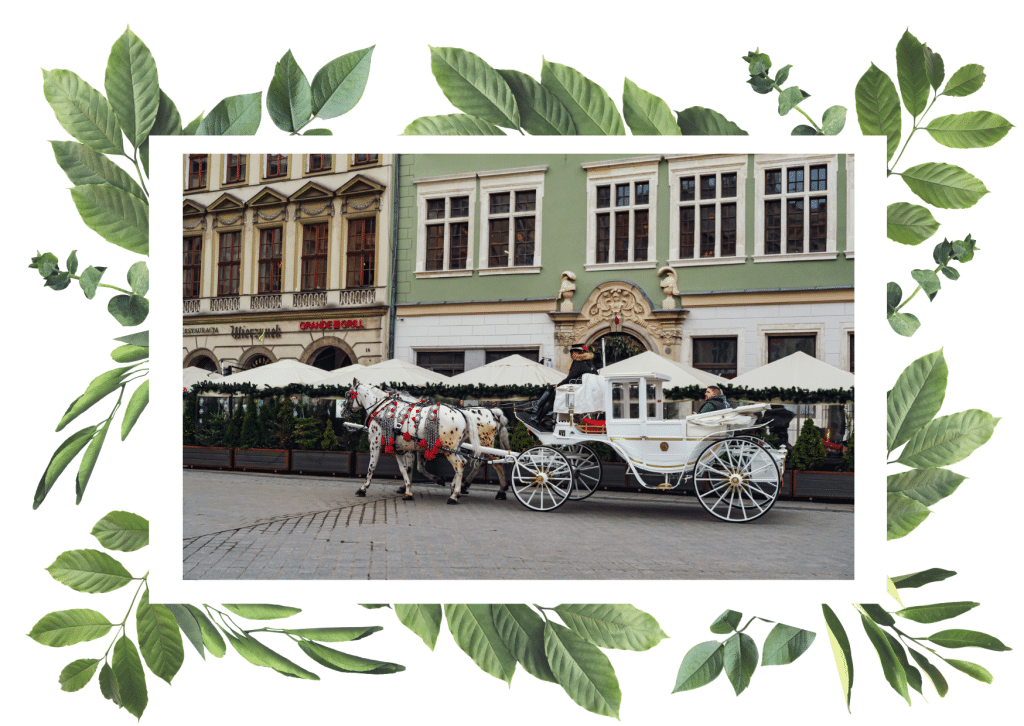
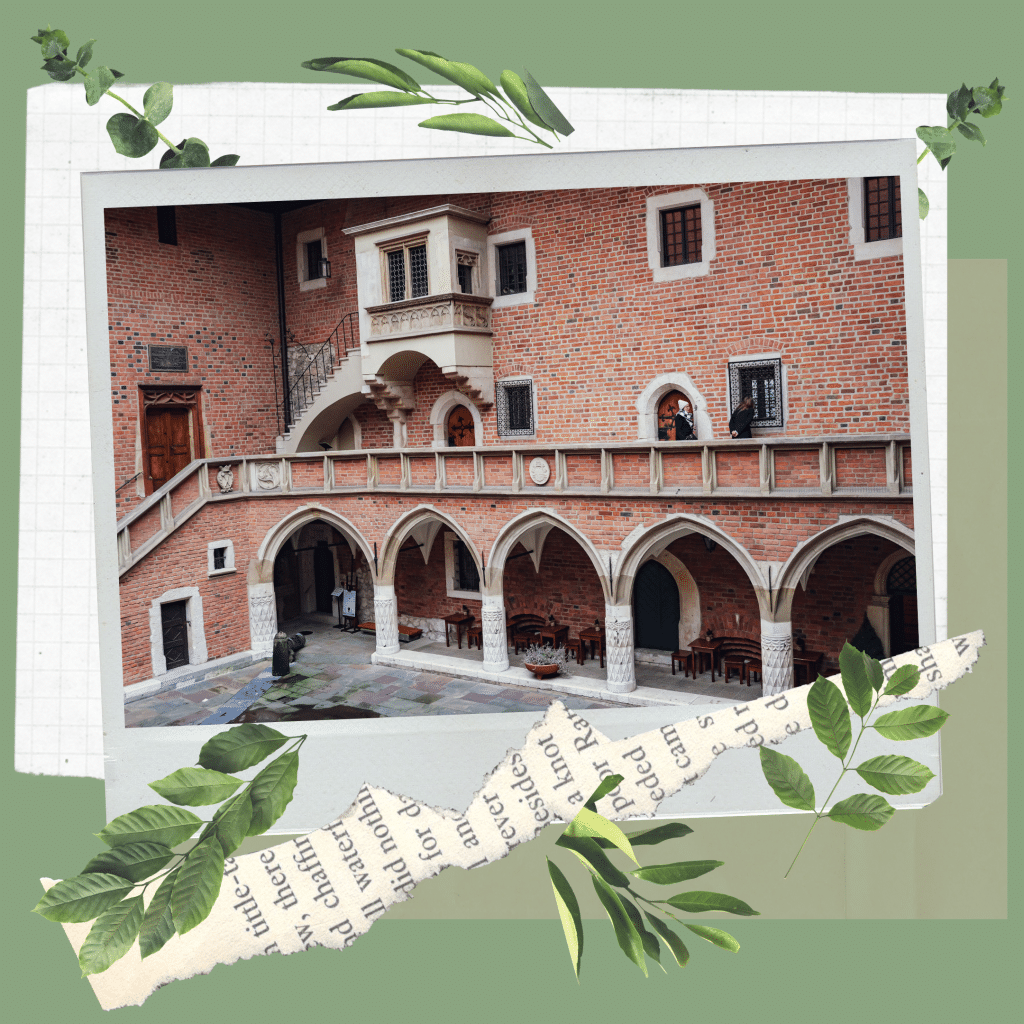
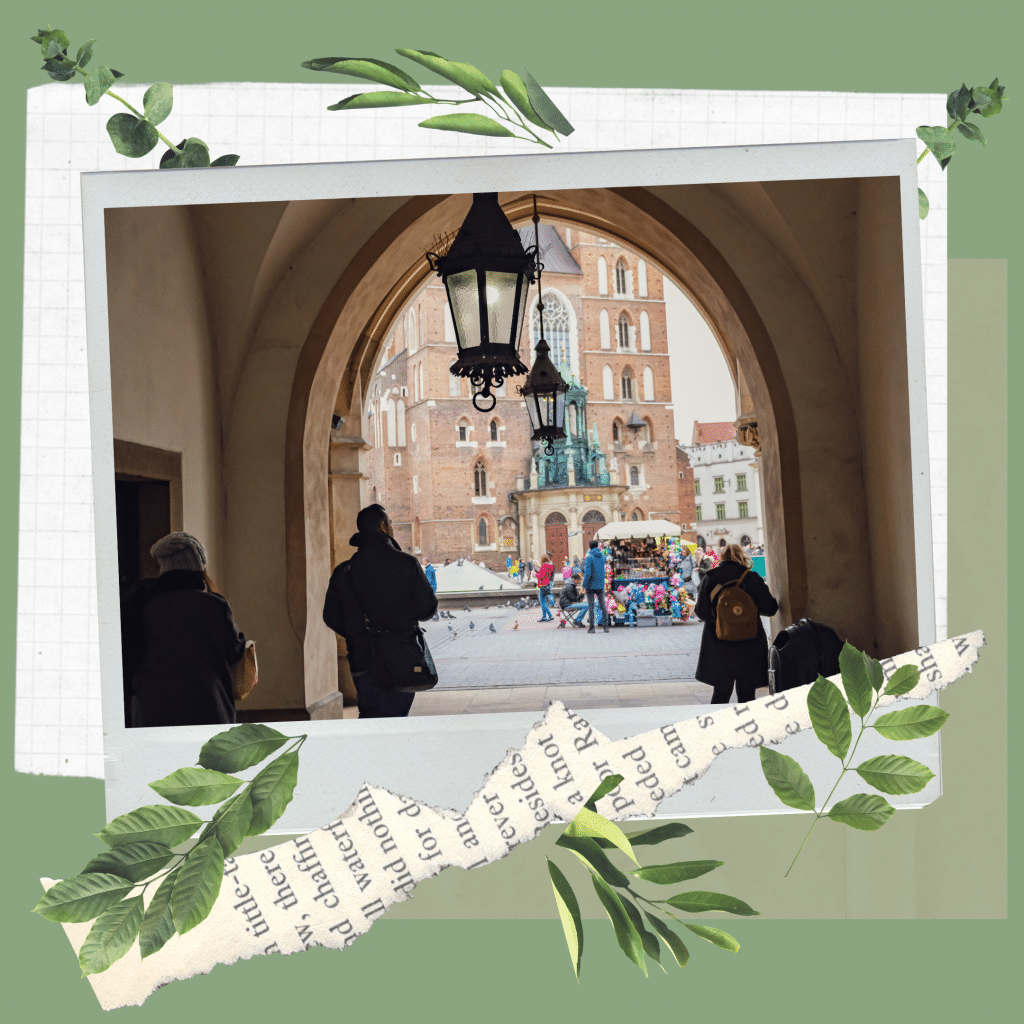
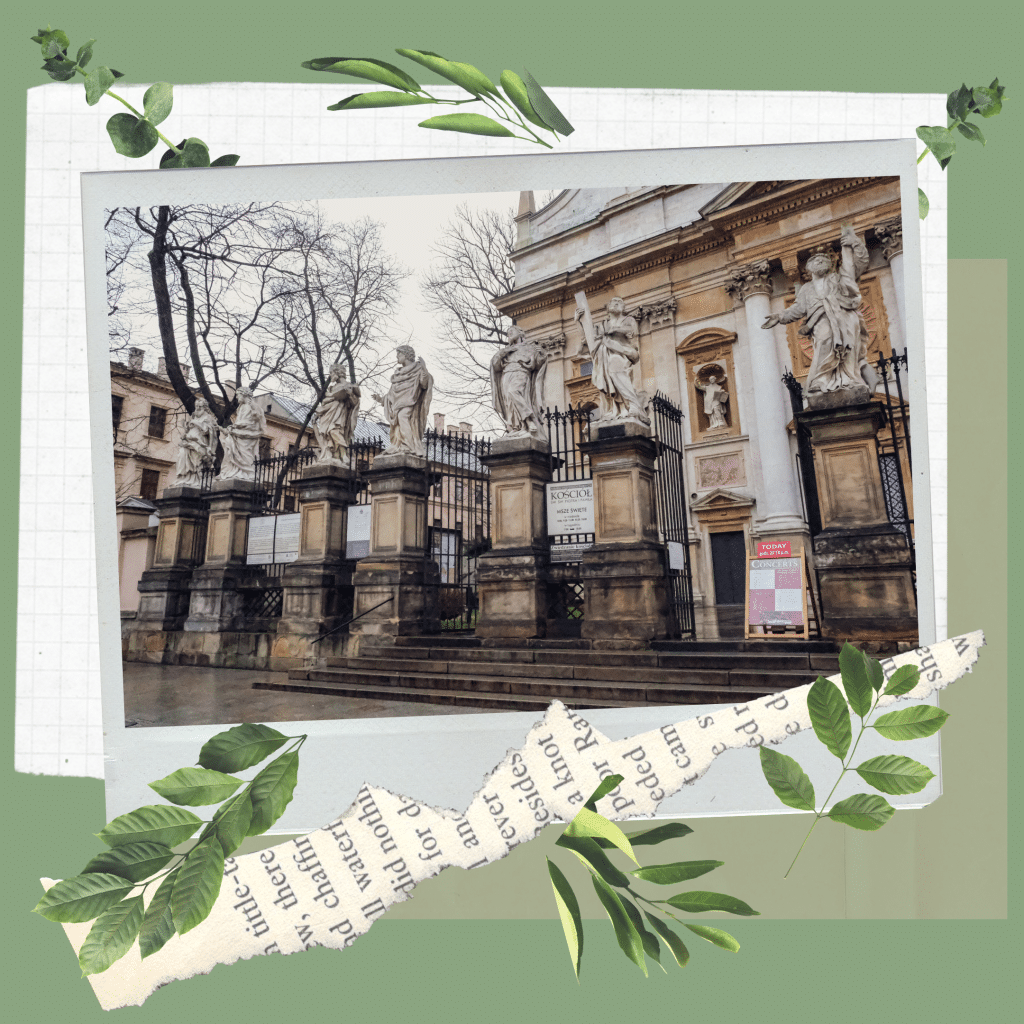
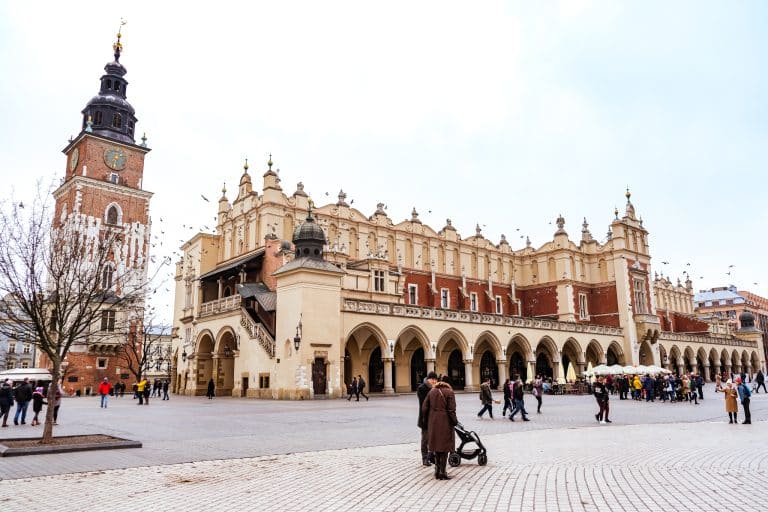
Often called Poland’s cultural capital, Krakow is famous for its well-preserved medieval old town, vibrant market squares, and historic architecture. The Main Market Square (Rynek Główny) is the heart of the city, surrounded by charming cafés, restaurants, and boutiques. Don’t miss the St. Mary’s Basilica with its iconic altar and hourly trumpet call. Or Wawel Castle, a symbol of Polish royalty overlooking the Vistula River. Krakow also has a lively arts scene and numerous cultural events throughout the year.
Auschwitz-Birkenau
Located about an hour from Krakow, Auschwitz-Birkenau is a powerful and sobering memorial to the victims of the Holocaust. Guided tours provide historical context and personal stories. It is a deeply moving and reflective experience. The site preserves the original barracks, watchtowers, and crematoria. It is an important historical place to remember and learn about the tragic events of the 20th century.
Wieliczka Salt Mines
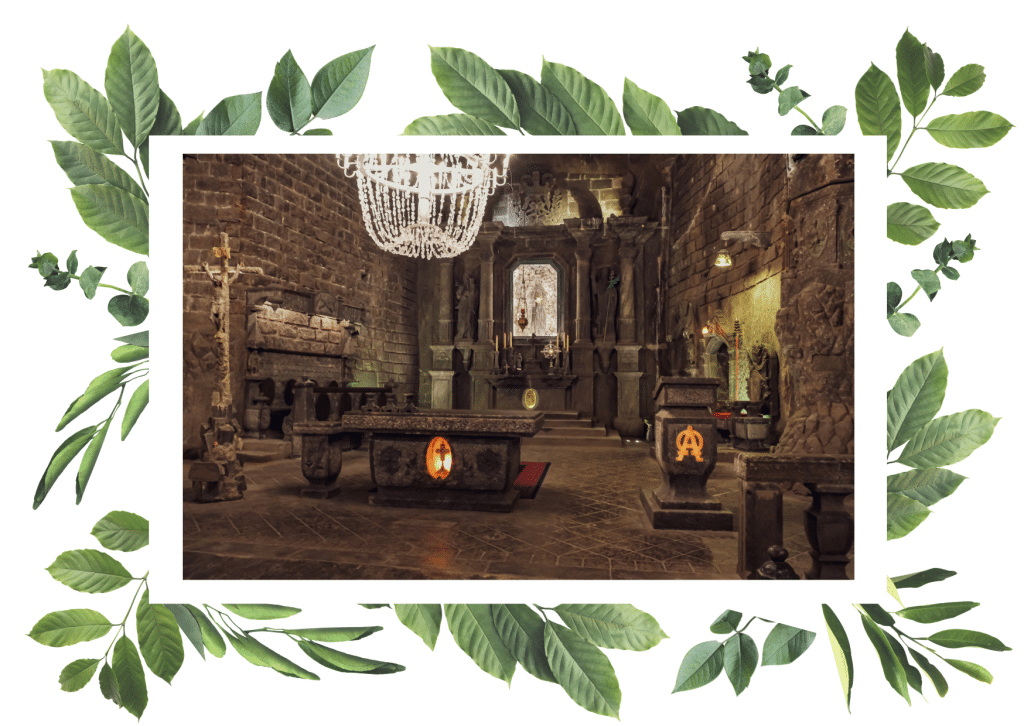
Just outside Krakow are the Wieliczka Salt Mines, a UNESCO World Heritage site famous for their underground tunnels, chambers, and chapels carved entirely from salt. You can explore stunning sculptures, the breathtaking Salt Cathedral, and learn about centuries of mining history. Guided tours reveal both the cultural and industrial heritage of this remarkable site.
Warsaw
Poland’s capital combines history with modern urban life. The reconstructed Old Town features colourful buildings, cobblestone streets, and the impressive Royal Castle. Warsaw also has several interesting museums, including the Warsaw Uprising Museum. This museum gives insight into the city’s dramatic 20th century history. The combination of historical landmarks, green spaces, and modern architecture makes Warsaw a great destination for visitors.
Wrocław
Known as the “City of 100 Bridges,” Wrocław is famous for its picturesque riverside streets, colourful squares, and charming architecture. The city’s whimsical dwarfs, scattered throughout the streets, add a playful touch to exploring Wrocław. You can enjoy historic sites like the Market Square, Cathedral Island, and a lively cultural scene with music, theatre, and festivals.
Gdańsk
A historic port city on the Baltic coast, Gdańsk has a unique mix of medieval and maritime heritage. The Old Town is lined with colourful facades, while landmarks like St. Mary’s Church and the Neptune Fountain highlight the city’s charm. Gdańsk is also known for its shipbuilding history and museums that tell the story of Poland’s past and its role in modern European history.
Zakopane & Tatra Mountains
Located in southern Poland, Zakopane is the gateway to the stunning Tatra Mountains. They are an ideal place for hiking, skiing, and outdoor adventures. The town itself has traditional wooden architecture and Highlander culture, with markets, local cuisine, and folk music. Nature lovers and adventurous people will enjoy the dramatic mountain landscapes and scenic trails.
Polish cuisine
Traditional Dishes
Polish cuisine is hearty, comforting, and rich in flavour. Staple dishes include:
- Pierogi: Dumplings filled with savoury ingredients like potatoes, cheese, mushrooms, or meat, and sweet fillings such as berries or sweet cheese. Often boiled, baked, or fried. They’re a must-try.
- Bigos: Also called “hunter’s stew,” this dish combines sauerkraut, fresh cabbage, and various meats, slowly cooked to develop a deep, savoury flavour.
- Żurek: A sour rye soup typically served with sausage, bacon, or a boiled egg, popular especially around Easter.
- Gołąbki: Cabbage leaves stuffed with a mixture of rice and meat, served with tomato sauce.
- Kiełbasa: Traditional Polish sausage available in many varieties, often grilled, smoked, or served in soups and stews.
Street Food & Snacks
Cities like Krakow, Warsaw, and Wrocław are full of street food options. Popular snacks include:
- Zapiekanka: Open-faced baguette topped with mushrooms, cheese, and other ingredients, similar to a Polish-style pizza.
- Oscypek: Smoked sheep cheese from the Tatra Mountains, often grilled and served with cranberry sauce.
- Placki ziemniaczane: Crispy potato pancakes, sometimes served with sour cream or mushroom sauce.
Sweets & Desserts
Polish desserts are rich and flavourful:
- Sernik: Polish-style cheesecake, often baked with a creamy texture and sometimes topped with fruit or chocolate.
- Paczki: Deep-fried filled donuts, traditionally eaten before Lent but available year-round in bakeries.
- Makowiec: Poppy seed roll, a traditional festive pastry, especially around Christmas.
Beverages
Poland also has a strong beverage culture:
- Kompot: A sweet fruit drink made from stewed fruits.
- Vodka: Poland is famous for high-quality vodkas, often flavoured with herbs or fruits.
- Beer: Local craft and traditional Polish beers are widely available, with popular brands including Żywiec and Tyskie.
Regional Specialties
Different regions have unique culinary traditions. For example, Podlasie is known for hearty rural dishes, Silesia for dumplings like kluski, and Pomerania for seafood along the Baltic coast.
Eating Out in Poland
Traditional Polish restaurants (“restauracja”) have set menus with starters, mains, and desserts, while street vendors and small cafés provide quick, affordable local snacks. Sampling a mix of both gives visitors a full taste of Poland’s culinary diversity.
Best time to visit Poland
Spring (April to June): Spring is one of the most pleasant times to visit Poland. Temperatures are mild, flowers bloom, and cities like Krakow, Warsaw, and Wrocław come alive after winter. It’s a great season for sightseeing, walking tours, and exploring parks and gardens. Tourist crowds are still relatively small compared to summer.
Summer (July to August): Summer is peak tourist season in Poland. The weather is warm, often ranging from 20°C to 30°C, ideal for outdoor activities, hiking in the Tatra Mountains, and exploring the Baltic coast. Festivals, open-air concerts, and cultural events are in full swing. Expect larger crowds and higher prices, especially in popular destinations like Krakow, Gdańsk, and Zakopane.
Autumn (September to October): Autumn is a beautiful time to visit for those who prefer fewer tourists and picturesque landscapes. Forests and parks are painted in vibrant reds, oranges, and yellows. The weather is still comfortable for sightseeing, and it’s a good season for cultural events, wine harvests, and traditional festivals.
Winter (November to March): Winters in Poland can be cold, with temperatures often below 0°C, especially in the mountains. This is perfect for skiing and winter sports in Zakopane and the Tatra region. Cities are less crowded, and Christmas markets in Krakow, Warsaw, and Wrocław offer a magical atmosphere with festive lights, local food, and seasonal crafts.
Recommendation:
- For city sightseeing and cultural exploration: spring or autumn.
- For outdoor adventures and mountain activities: summer or winter, depending on whether you prefer hiking or skiing.
Practical info
Currency: Polish Złoty (PLN, zł)
Languages: Polish
Religion: Christianity (mostly Roman Catholic, 87%), no religion (6%), others (7%)
Capital city: Warsaw
Visa: Non-Europeans may need to apply for a visa to enter Poland. Submit your application at the nearest Polish embassy or consulate, providing a valid passport, completed visa application form, recent passport photos, proof of accommodation, travel itinerary, travel insurance, and financial means. Some nationalities require an appointment in advance. Processing usually takes around 15 days, so apply well before your trip. Citizens of the EU, Schengen Area, and several other countries can enter Poland visa-free for short stays of up to 90 days.
Reading tip: Schengen Visa Guide: Who Needs It, How to Apply, and Entry Rules
Local SIM Card: Staying connected in Poland is easy. You can purchase a prepaid SIM card from major operators such as Orange, T‑Mobile, or Play at airports, convenience stores, or mobile shops. Plans start around €10 for 10 days of data and local calls. For a faster option, use an e‑SIM via Airalo. Buy a Poland-specific or Europe-wide plan online, scan the QR code on your phone, and start using mobile data immediately. It is perfect for short trips or keeping your home number active.
Country Code: +48
Time: UTC +1 (winter), UTC +2 (summer)
Official Tourism Website: Poland Travel
Practical info: Are you planning a trip and you need some practical info? Read the ultimate planning guide when you are going for a long term journey and download the packing list. I share tips about setting up a travel budget. Or find out the best travel apps to use.
Sustainable travel: I have written a few articles about sustainable travel. I give tips about how to make your trip more sustainable and how to fly more sustainable. I believe even the smallest effort can help.
Festivals in Poland
Poland has a busy cultural calendar full of traditional holidays, religious celebrations, and lively festivals, reflecting its history, folklore, and modern culture. Here’s an overview:
National and Public Holidays
- New Year’s Day (Nowy Rok) – January 1: Celebrated with fireworks and gatherings.
- Easter (Wielkanoc) – March/April: A deeply religious holiday, marked by church services, traditional meals, and the famous “Śmigus-Dyngus” (Water Monday) where people playfully splash water on each other.
- Constitution Day – May 3: Commemorates Poland’s 1791 Constitution, with patriotic ceremonies and parades.
- All Saints’ Day – November 1: Families honour deceased loved ones by visiting cemeteries, lighting candles, and laying flowers.
- Independence Day – November 11: Marked by patriotic events, parades, and gatherings celebrating Poland’s independence regained in 1918.
Festivals
- Wianki (Krakow Midsummer Festival): Held in June, featuring music concerts, flower wreaths on the river, and fireworks.
- Pierogi Festival (Rzeszów or Krakow): A fun celebration of Poland’s beloved dumplings, with tastings, cooking contests, and cultural performances.
- St. Dominic’s Fair (Gdańsk): One of the largest European fairs, held in July, with stalls selling crafts, food, and live performances.
- Krakow Film Festival: Shows Polish and international cinema, focusing on short films and documentaries.
- Open’er Festival (Gdynia): A major modern music festival attracting international artists, usually in July.
Poland also celebrates folk traditions, like harvest festivals (Dożynki) in rural areas, where locals wear traditional costumes, dance, and enjoy regional food. Seasonal markets, especially Christmas markets sell crafts, mulled wine, and festive treats, particularly in Krakow, Warsaw, and Wrocław.
Outdoor activities in Poland
Hiking & Mountain Adventures:
Poland’s south is home to the Tatra Mountains, ideal for hiking, trekking, and mountaineering. Zakopane is the main base for exploring trails like Morskie Oko, Kasprowy Wierch, and scenic valleys. The Bieszczady Mountains have quieter, off-the-beaten-path hiking with stunning views of forests and wildlife.
Skiing & Winter Sports
In winter, the Tatra Mountains change into a skiing paradise. Popular ski resorts in Zakopane have slopes for beginners and advanced skiers, plus snowboarding, sledding, and cross-country skiing. Other mountain ranges, like the Sudetes, also have ski facilities and cozy mountain lodges.
Cycling & Bike Tours
Poland has a growing network of cycling paths suitable for all levels. Urban bike paths in Warsaw, Krakow, and Wrocław make city exploration easy, while longer routes like the Green Velo Trail in eastern Poland provide scenic countryside rides going hundreds of kilometres.
Water Activities
Poland has many rivers, lakes, and a Baltic Sea coastline for kayaking, canoeing, sailing, and windsurfing. Popular spots include Masurian Lake District, ideal for boating trips, and the Vistula River, where guided river cruises are available. Coastal towns like Sopot and Gdańsk are perfect for beach activities and watersports during summer.
National Parks & Nature Reserves
Poland has many protected areas. Białowieża Forest is a UNESCO World Heritage site and home to European bison and ancient woodlands. Wolin National Park comes with dramatic cliffs, sandy beaches, and wildlife observation. Outdoor enthusiasts can enjoy walking trails, wildlife spotting, and eco-tourism experiences across the country.
Adventure & Extreme Sports
For thrill-explorers, options include paragliding in the mountains, zip-lining in adventure parks, rock climbing, and even hot-air balloon rides over scenic landscapes like the Kuyavian-Pomeranian region or Pieniny Mountains.
Travel tips and cultural etiquette
When visiting Poland, it’s helpful to be prepared and respectful of local customs. Poles are generally friendly and polite, and a firm handshake is the standard greeting. Punctuality is valued, especially for tours, appointments, and public transport. Learning a few basic Polish phrases, such as “Dzień dobry” (Good morning) and “Dziękuję” (Thank you), is appreciated and can make interactions smoother. English is widely spoken in tourist areas but learning a few phrases is well appreciated by the locals.
Carrying some cash in Polish złoty is useful, as smaller shops and markets may not accept cards. When visiting churches, historical sites, or museums, dress modestly and follow photography rules. Public transport is reliable and affordable, and apps like Jakdojade help plan urban journeys in real time. Tipping around 10% in restaurants is customary, and being polite and patient goes a long way in making your stay enjoyable.
Public transport in Poland
Trains
Poland has an extensive and efficient rail network connecting major cities and towns. PKP Intercity operates long-distance trains, including fast Express InterCity (EIC) and InterCity (IC) services between Warsaw, Krakow, Gdańsk, Wrocław, and other key destinations. Regional trains, operated by Polregio, link smaller towns and suburban areas. Trains are generally comfortable, punctual, and affordable, with options for first- and second-class seating. Booking online in advance can save money, especially on intercity routes.
Buses
Buses complement the rail network and are often the best way to reach smaller towns or rural areas. National bus operators like FlixBus, PolskiBus, and Neobus connect major cities with frequent departures, while local buses serve urban and suburban routes. Tickets can be bought online, via mobile apps, or at stations. Bus travel is usually economical and reliable, though travel times may be longer than by train.
Urban Transport
Most Polish cities have public transport systems including buses, trams, and metro lines (Warsaw being the only city with a metro). Tickets are usually valid across different modes of transport within the city and can be purchased at kiosks, ticket machines, or via mobile apps. Major cities like Krakow, Wrocław, and Gdańsk have well-marked routes, making it easy for tourists to navigate. Day passes and multi-day tickets are convenient for visitors exploring a city extensively.
Taxis & Ride-Sharing
Taxis are widely available in cities, but it’s recommended to use licensed companies to avoid overcharging. Popular ride-sharing apps like Bolt and FreeNow operate in Poland and often offer cheaper and more transparent fares than traditional taxis.
Cycling & Scooters
Many cities have bike-sharing programs and electric scooters for short trips. Krakow, Warsaw, and Wrocław, in particular, have easy access to rental bikes and scooters via apps, which is a fun way to explore urban areas.
Tips for Tourists:
- Always check ticket validity and zones when using urban transport.
- For long-distance travel, book trains in advance, especially during holidays or weekends.
- Apps like Jakdojade are helpful for planning urban trips in real time, showing routes, schedules, and ticket options.
Latest Poland articles

Europe on a budget: tips, tricks, and affordable destinations
Travel Europe on a budget with practical tips, smart tricks, and affordable destinations to help you save money and plan a memorable trip.

Schengen Visa Guide: Who Needs It, How to Apply, and Entry Rules
Learn who needs a Schengen visa, how to apply, and entry rules. Plan your trip to Europe with ease and visit top destinations like Nice, Split, and Salzburg.
Best places to visit in Krakow: a traveller’s guide
Discover the best places to visit in Krakow with this traveller’s guide featuring places to stay, daytrips, and must-see cultural highlights.
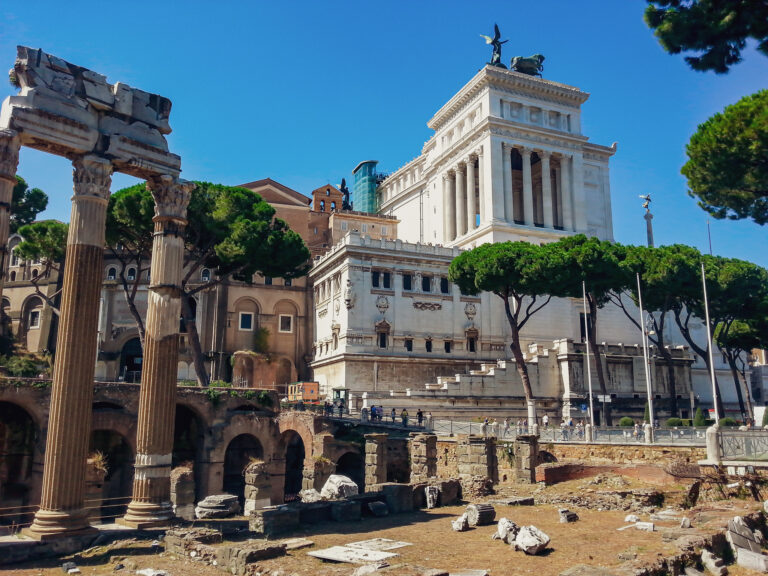
A beginners guide to architecture
Have you always wondered how the pyramids are built? Would you like to know the architectural style of Versailles? Or the Saint Pieter cathedral in Rome? Read more in the beginners guide to architecture.
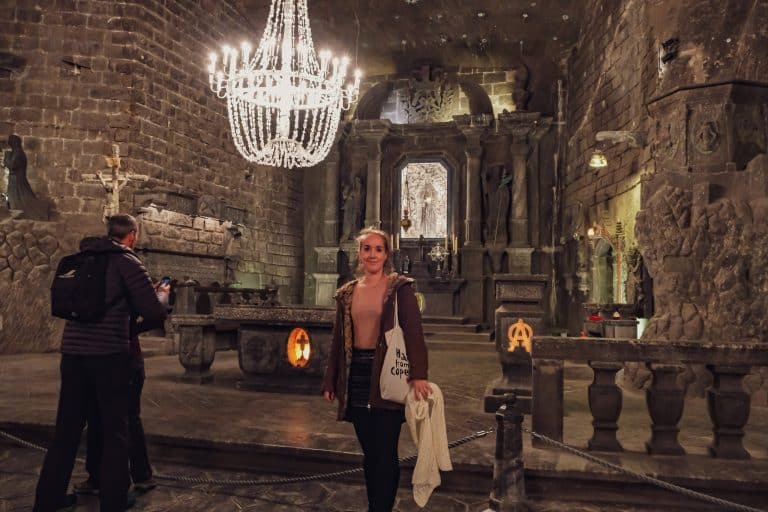
A Day Trip from Krakow to the Famous Wieliczka Salt Mines
Find out more about the history of the Wieliczka salt mines, the legend of Saint Kinga and the hidden Crystal caves.
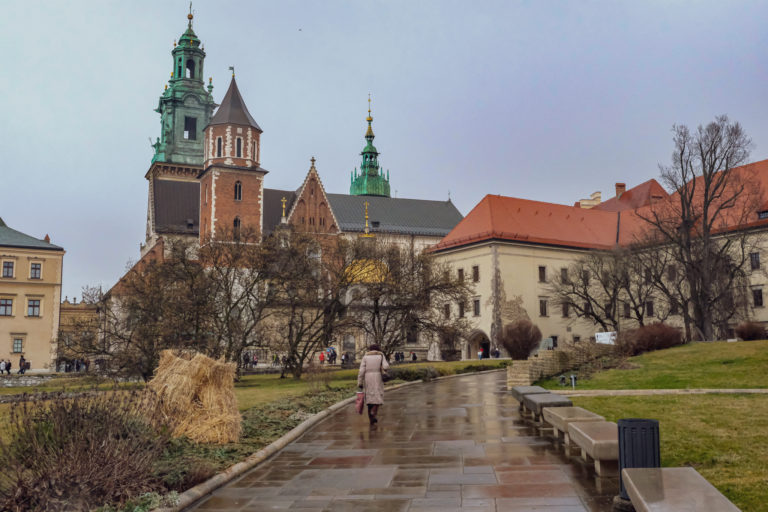
Explore Krakow with these pictures
Explore Krakow with these pictures. Curious how well preserved Krakow really is? Have a look at these photos of this amazing medieval city.