

Sweden
Discover the beauty, culture, and history of Sweden with this complete travel guide. From the streets of Stockholm and the medieval charm of Visby on Gotland to the Arctic wilderness of Lapland. Sweden has something for every traveller. Explore iconic landmarks, picturesque islands and scenic national parks. Immerse yourself in unique Swedish traditions, festivals, and cuisine. Whether you’re planning a city break, a summer adventure, or a winter escape to see the Northern Lights. This travel guide gives you all the essential tips, itineraries, and practical information you need for an unforgettable trip to Sweden.
History of Sweden: A concise overview for travellers
Sweden’s history is defined by maritime traditions, powerful kingdoms, periods of conflict and expansion, and the gradual development of a modern, progressive society. Understanding this background improves any trip. Especially when visiting historical cities, medieval fortresses, and UNESCO World Heritage Sites across the country.
The Viking Age (circa 800–1050)
Sweden’s early history is closely tied to the Vikings. They were skilled sailors, traders, and explorers who travelled across Europe, Russia, and even reached the Middle East. Swedish Vikings (often called Varangians) expanded eastward, navigating the rivers of modern-day Russia and Ukraine. Today, traces of this era remain in runestones around Uppland, Viking settlements near Birka, and reconstructed longhouses across the country.
The Medieval Kingdom (1050–1523)
After the Viking Age, Sweden formed a unified Christian kingdom. This era saw the rise of monarchic power, the construction of stone churches, and the growth of towns such as Sigtuna, Uppsala, and Visby on the island of Gotland. The medieval period also includes the Kalmar Union (1397–1523), when Sweden was united with Denmark and Norway under a single monarch. This was an uneasy union marked by political conflict.
The Swedish Empire (17th Century)
Between the early 1600s and early 1700s, Sweden became a major European military power. They controlled territories around the Baltic Sea, including parts of Finland, Estonia, Latvia, and northern Germany. The most influential ruler of this period was Gustavus Adolphus. He modernized the state and army. Visitors can see remnants of imperial power in Stockholm’s Royal Palace, Drottningholm Palace, and fortresses like Kalmar Castle.
The Age of Freedom and the Modern State (18th –19th Century)
After losing most of its empire in the Great Northern War, Sweden entered a period of political reform known as the Age of Freedom. Parliamentary governance expanded, science and industry developed, and cultural life flourished. By the 19th century, Sweden was shifting from an agrarian society to an industrializing nation. Large numbers of Swedes emigrated to North America during this era, shaping Sweden’s cultural ties with the United States.
The 20th Century: Neutrality and Welfare Development
Sweden remained neutral during both World Wars, allowing it to focus on internal development. The country built one of the world’s most comprehensive welfare systems, invested in education, and developed strong positions in design, technology, and sustainability. Landmarks from the 20th century include functionalist architecture in Stockholm and innovative industrial heritage in places like Luleå’s Gammelstad and Kiruna.
Interesting places to visit
Stockholm
Sweden’s capital Stockholm combines royal heritage, waterfront scenery, and cutting-edge culture. Visitors can explore the medieval streets of Gamla Stan, tour the Royal Palace, and visit world-class museums such as the Vasa Museum and ABBA The Museum. Stockholm’s island layout makes it ideal for scenic walks and boat trips. The lively dining scene has everything from traditional Swedish dishes to contemporary Nordic cuisine.
Gothenburg
Located on the west coast, Gothenburg is Sweden’s laid-back port city known for its maritime heritage and youthful energy. The city has charming districts like Haga, leafy canals, and top attractions including the Universeum science center and Liseberg. It is one of Europe’s most beloved amusement parks. Seafood is a major highlight here so make sure to try the fresh catches at Feskekôrka, the city’s iconic fish market.
Kiruna & Swedish Lapland
If you are interested in Arctic wilderness, Kiruna and Swedish Lapland deliver unforgettable experiences. This northern region is home to the Icehotel in Jukkasjärvi, re-created every winter using ice from the Torne River. Visitors can enjoy dog sledding, ride a snowmobile, and winter safaris. Or try to catch the Northern Lights in the polar night sky. In summer, the Midnight Sun creates endless daylight and excellent hiking conditions.
Visby, Gotland
The island of Gotland, and especially its medieval capital Visby, has special cobblestone streets, rose-covered facades, and remarkably preserved city walls. The city is a UNESCO World Heritage Site. Visby is known for the Hanseatic history with old merchant houses, ruins of ancient churches, and a historic town wall that still encircles the centre. The island’s beaches, cliffs, and cycling routes make it a perfect summer destination.
Malmö
Sweden’s southern gateway mixes cosmopolitan flair with innovative Scandinavian design. Highlights include the Turning Torso, a twisting skyscraper that dominates the skyline and the pedestrian-friendly Old Town. The city’s multicultural dining scene, parks, and easy access to Copenhagen via the Öresund Bridge make Malmö an ideal base for exploring the region.
Abisko National Park
Located above the Arctic Circle, Abisko is considered one of the best places in the world to view the Northern Lights thanks to its remarkably clear skies. In summer, the park becomes a paradise for hikers, with trails through valleys, mountains, and wildflower meadows. This includes a section of Sweden’s iconic Kungsleden (King’s Trail). The combination of untouched nature and dramatic landscapes makes Abisko a must-visit for outdoor enthusiasts.
2-Day Stockholm Itinerary
Day 1: Historic Heart & Iconic Sights
Morning: Gamla Stan (Old Town)
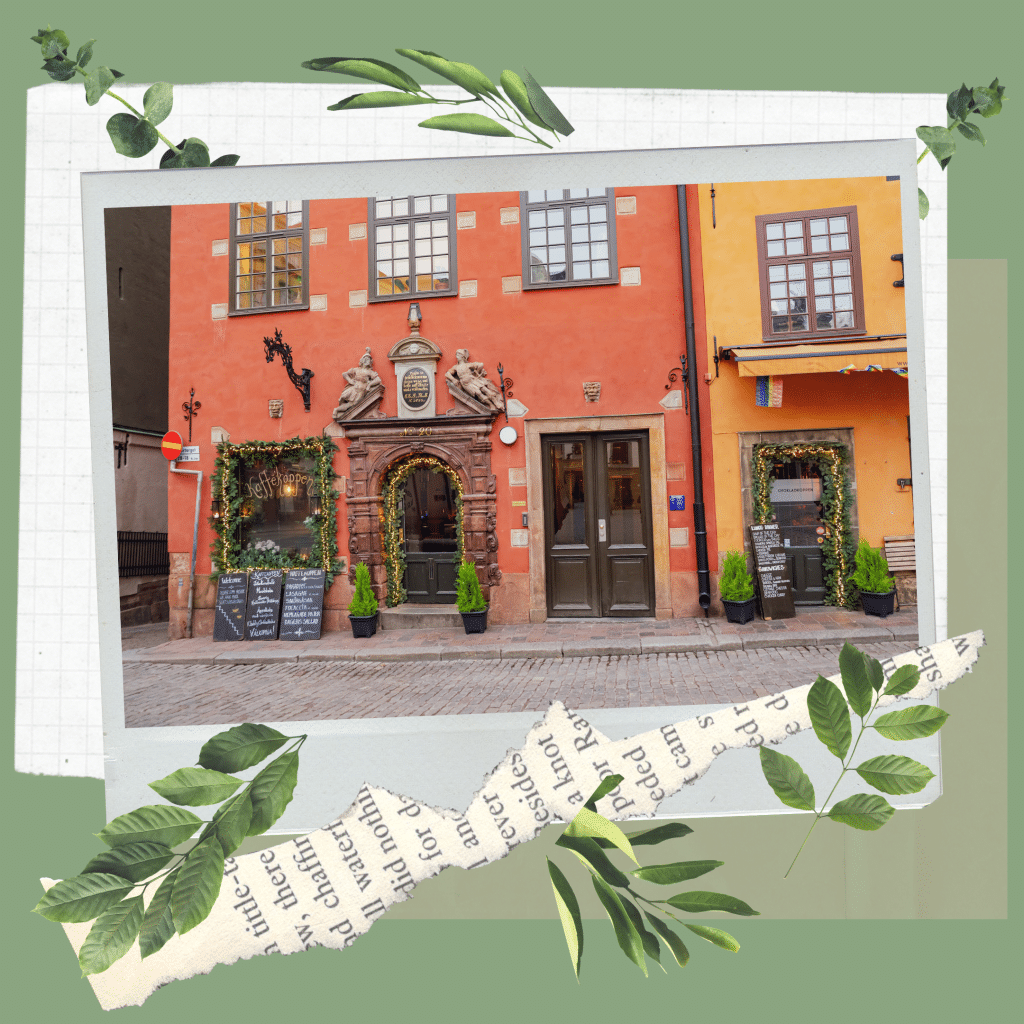
Start your day exploring Gamla Stan, Stockholm’s medieval heart. Wander the cobbled streets, admire colourful 17th and 18th century buildings, and visit Stortorget, the main square. Don’t miss the Royal Palace, where you can watch the changing of the guard and explore the palace museums.
Late Morning: Nobel Museum & Cafés
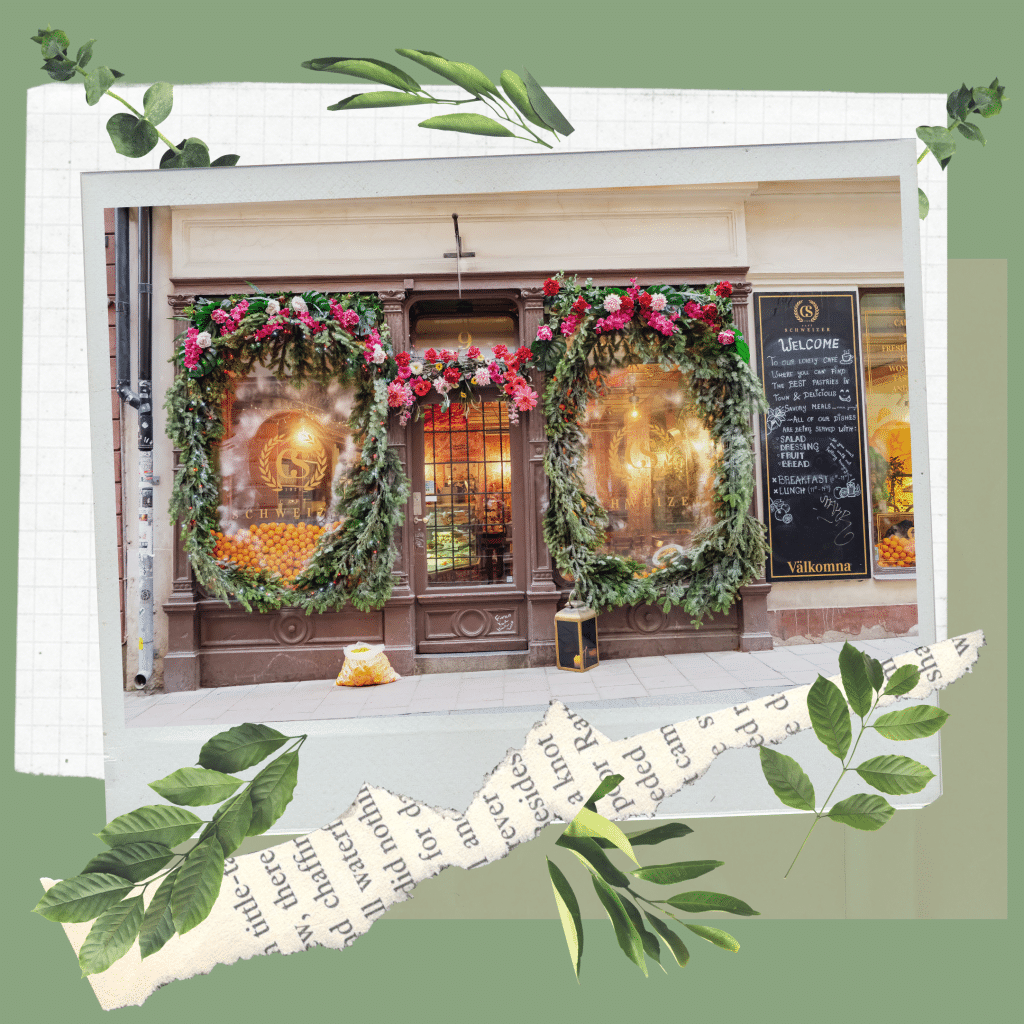
While in Gamla Stan, stop at the Nobel Museum to learn about Nobel Prize laureates and their achievements. Enjoy a coffee and pastry at one of the quaint old-town cafés.
Afternoon: Djurgården Island
Take a ferry or walk to Djurgården, a green oasis with some of Stockholm’s best museums. Visit the Vasa Museum to see the perfectly preserved 17th century warship and ABBA The Museum if you love music and pop culture.
Evening: Waterfront Walk & Dinner
Return to the city centre and stroll along Strandvägen or Skeppsbron. Enjoy dinner at a traditional Swedish restaurant serving meatballs, herring, or salmon.
Day 2: Modern Stockholm & Scenic Views
Morning: Södermalm & Monteliusvägen
Explore the trendy district of Södermalm, known for its vintage shops, street art, and cafés. Walk along Monteliusvägen, a scenic pathway with panoramic views of the city and waterfront.
Late Morning: Fotografiska
Visit Fotografiska, Stockholm’s contemporary photography museum. It features world-class exhibitions and has a café with stunning views of the city.
Afternoon: City Hall & Boat Tour
Head to Stockholm City Hall (Stadshuset), famous for its grand ceremonial halls and the Nobel Prize Banquet. Climb the tower for incredible city views. Afterward, take a short boat tour of Stockholm’s archipelago to see the city from the water and appreciate its islands and bridges.
Evening: Dinner & Nightlife
Return to central Stockholm for dinner. For a local experience, try Fjäderholmarnas Krog, a restaurant on a small island easily reached by ferry with delicious seafood and picturesque views. End your day with a leisurely evening walk in Gamla Stan or enjoy Södermalm’s vibrant nightlife.
Practical info
Currency: Swedish Krona (SEK)
Languages: Swedish (official). English is widely spoken, especially in cities and tourist areas.
Religion: Christianity (mostly Lutheran). Rough breakdown: Christian (about 60%), no religion (approximately 35%), other religions (around 5%).
Capital City: Stockholm
Visa
Non-European travellers may need a visa to enter Sweden, depending on their nationality. Sweden is part of the Schengen Area, so visa requirements follow Schengen regulations. If you need a visa, you must apply through the nearest Swedish embassy or consulate or through the official external visa service used in your country.
Prepare the required documents, including a valid passport, completed application form, passport-sized photos, proof of accommodation, round-trip itinerary, travel insurance, and sufficient financial means. Some nationalities must book an appointment in advance.
Visa processing generally takes around 15 days, but delays are possible during peak seasons, so apply early. Citizens of the EU, Schengen Area, and many visa-exempt countries can enter Sweden visa-free for up to 90 days within a 180-day period.
Local SIM Card
Staying connected in Sweden is easy. You can buy a physical prepaid SIM card from major operators such as Telia, Telenor, Tele2, and 3 (Tre). These are available at airports, train stations, convenience stores, and operator shops. Prepaid plans typically start around 100–150 SEK and include generous data allowances along with local minutes and texts. Coverage is excellent nationwide, including most rural areas and national parks, though extremely remote northern regions may have limited service.
If you prefer a quick and flexible option, you can purchase an e-SIM through providers like Airalo before departing. Simply download a Sweden-specific or Europe-wide plan, scan the QR code, and your data connection will activate immediately. This is ideal for short trips or if you want to keep your home number active while traveling.
Country Code: +46
Time Zone: UTC +1 (winter) and UTC +2 (summer)
Official Tourism Website: Visit Sweden is the official travel site with inspiration, itineraries, cultural insights, and practical travel information.
Sustainable Travel
I have written several articles about sustainable travel, including how to reduce your environmental impact while exploring Sweden. You’ll find practical tips on minimizing waste, choosing greener transport options, supporting local businesses, and even how to make flights more sustainable when long-distance travel is unavoidable. Even small, conscious choices can make a meaningful difference.
Holidays and festivals in Sweden
Midsummer (Midsommar)
Midsummer is celebrated in late June and is one of Sweden’s most iconic holidays. Families and friends gather to raise and dance around maypoles, sing traditional songs, and enjoy seasonal foods like pickled herring, new potatoes, and strawberries. It’s a time to celebrate nature and the summer solstice, especially in rural areas where traditional customs are strongest. Midsummer is a cultural experience with floral crowns, folk music, and a festive atmosphere.
Christmas (Jul)
Christmas in Sweden is a cozy and enchanting time. Festivities start in late November with Advent, and key celebrations are on December 24th. This includes traditional meals, candlelight, and gift-giving. Popular treats include glögg (mulled wine), lussekatter (saffron buns), and gingerbread cookies. Many towns and cities host charming Christmas markets, especially Stockholm’s Skansen and Gothenburg’s Liseberg with crafts, festive foods, and seasonal entertainment.
Walpurgis Night (Valborg)
Celebrated on April 30th, Walpurgis Night marks the arrival of spring. Communities light bonfires, sing traditional songs, and enjoy outdoor gatherings. University towns such as Uppsala and Lund hold large celebrations, making it a lively and colourful event. Visitors can witness locals singing around the fires and welcoming the warmer days ahead.
Lucia Day (Saint Lucy’s Day)
On December 13th, Sweden celebrates Lucia, a festival of light honouring Saint Lucy. Young girls dress in white robes with candles on their heads, and boys often wear star-shaped hats. Schools, workplaces, and public events feature Lucia processions with singing, traditional saffron buns, and coffee. The festival symbolizes hope and light during the long Scandinavian winter.
Crayfish Parties (Kräftskiva)
Held in August, crayfish parties are a unique Swedish tradition where friends gather to eat boiled crayfish, wear funny hats, and sing drinking songs. These informal, joyful gatherings often take place outdoors and celebrate the end of summer. Travellers can sometimes join local events or book themed dining experiences to enjoy this quirky culinary festival.
Stockholm and Gothenburg Festivals
Sweden also hosts a variety of modern cultural and music festivals. In Stockholm, the Stockholm Culture Festival (August) celebrates art, music, dance, and food, while the Stockholm Pride Parade in July is the largest LGBTQ+ festival in Scandinavia. In Gothenburg, Way Out West (August) is a major music festival attracting international acts, along with film, food, and cultural events.
Other Notable Festivals
- Easter (Påsk): A mix of Christian traditions and folk customs, including colourful decorations and children dressing as witches.
- National Day (Sveriges nationaldag, June 6): Celebrates Swedish heritage with parades, flag-raising, and cultural events.
- Crayfish Season & Food Festivals: Local harvest and food festivals occur throughout the country, often with seafood, cheese, and seasonal specialties.
Public transport in Sweden
Metro (Tunnelbana)
Stockholm’s Tunnelbana is one of the most efficient ways to get around the capital. The network has three main lines (green, red, and blue) connecting the city centre with suburbs and key attractions. Trains run frequently, typically every 5–10 minutes during the day. Stockholm’s metro stations are famously decorated with art, making travel a cultural experience in itself. Tickets can be purchased via the SL app or at ticket machines and are valid for buses, trams, and local trains within the city.
Buses
Buses are widely available throughout Sweden, especially in cities and smaller towns not served by trains or metro lines. In Stockholm and Gothenburg, city buses connect neighbourhoods, tourist sites, and shopping districts. Regional buses link towns and cities across longer distances. Tickets are generally purchased through apps like SL in Stockholm, Västtrafik in Gothenburg, or directly from the driver in some areas. Though cash payments are increasingly uncommon.
Trams (Spårvagn)
Trams operate in several Swedish cities, with Gothenburg having the most extensive tram network in the country. Trams are reliable, punctual, and a great way to explore urban areas without the hassle of traffic. They are especially convenient for reaching neighbourhoods and attractions outside the city centre. Tram tickets are integrated with local bus and ferry systems in most cities.
Commuter Trains (Pendeltåg)
Commuter trains connect cities with suburbs and surrounding regions. In Stockholm, the Pendeltåg links the city centre with towns like Uppsala, Sundbyberg, and Sickla, offering a fast and comfortable way to travel longer distances without a car. Trains are generally punctual, with multiple departures per hour during peak times. Tickets can be used in combination with metro, bus, and tram services.
Ferries
Sweden’s coastal cities and archipelagos rely heavily on ferries. In Stockholm, ferries connect the mainland to islands in the archipelago. It comes with scenic and practical transport for both locals and tourists. Popular routes include trips to Djurgården, Fjäderholmarna, and the outer islands. Tickets are usually the same as city transport cards or can be purchased separately.
Long-Distance Trains
For intercity travel, Sweden’s long-distance trains are fast, reliable, and comfortable. SJ (Statens Järnvägar) operates major routes connecting Stockholm, Gothenburg, Malmö, and northern destinations like Kiruna. High-speed trains (X2000) reduce travel times significantly, and seats can be reserved online. For convenience, travellers can also book tickets via Omnio, a platform that compares schedules, prices, and operators for all trains across Sweden. Many trains also have onboard dining and free Wi-Fi.
The Best Time to Visit Sweden
Sweden has different experiences depending on the season, so the best time to visit depends on your interests, whether it’s city sightseeing, outdoor adventures, or enjoying seasonal festivals.
Summer (June to August)
Summer is the most popular time to visit Sweden. The weather is mild and pleasant, with temperatures going from 20–25°C (68–77°F) in the south. This is ideal for exploring cities, walking through historic districts, or enjoying Sweden’s thousands of lakes and islands. Midsummer, celebrated in late June, is a highlight of the season, with traditional dances, maypoles, and vibrant countryside festivities. Summer is also the perfect time to explore the Stockholm Archipelago, go hiking in Lapland, or cycle around scenic islands like Gotland.
Autumn (September to November)
Autumn has cooler temperatures, fewer crowds, and beautiful fall foliage across Sweden. Temperatures go from 5–15°C (41–59°F). The season is great for cultural activities in Stockholm, Gothenburg, and Malmö, as well as for enjoying harvest festivals, local food markets, and hiking in national parks like Abisko and Fulufjället.
Winter (December to February)
Winter changes Sweden into a snowy wonderland, particularly in the north. Temperatures can drop below -10°C (14°F) in Lapland, while southern cities are milder. This is the best season for skiing, snowboarding, dog sledding, and staying at the famous Icehotel in Jukkasjärvi. Winter is also the time for Lucia Day celebrations and cozy Swedish Christmas markets. You can experience the magical Northern Lights in Lapland during this period.
Spring (March to May)
Spring brings longer days, blooming flowers, and gradually warmer weather, ranging from 5–15°C (41–59°F). It’s an excellent time to explore cities and countryside with fewer tourists. Early spring is perfect for cultural events and festivals, while late spring sees Sweden’s parks, gardens, and countryside come alive with colour. It’s also a good time for hiking before the peak summer crowds arrive.
Special Considerations
- Northern Lights: Best seen from September to March in Lapland.
- Midnight Sun: Above the Arctic Circle from late May to mid-July.
- Peak Tourist Season: June to August; expect higher prices and more visitors.
Latest Sweden articles

Europe on a budget: tips, tricks, and affordable destinations
Travel Europe on a budget with practical tips, smart tricks, and affordable destinations to help you save money and plan a memorable trip.

Schengen Visa Guide: Who Needs It, How to Apply, and Entry Rules
Learn who needs a Schengen visa, how to apply, and entry rules. Plan your trip to Europe with ease and visit top destinations like Nice, Split, and Salzburg.
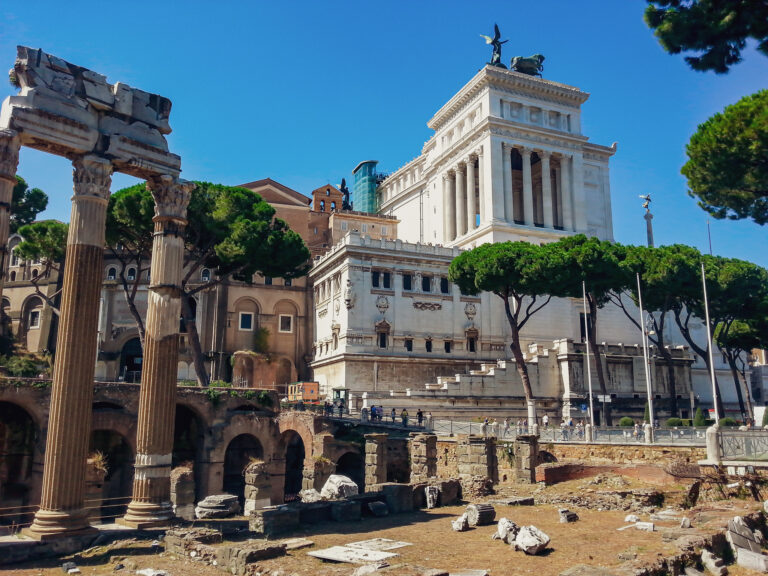
A beginners guide to architecture
Have you always wondered how the pyramids are built? Would you like to know the architectural style of Versailles? Or the Saint Pieter cathedral in Rome? Read more in the beginners guide to architecture.
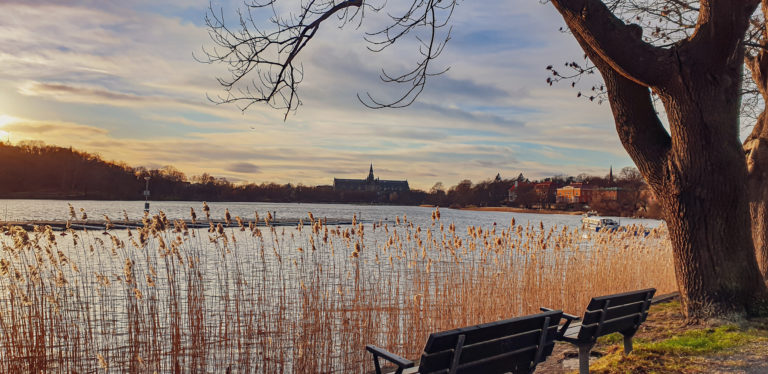
A picture walk through Stockholm
A picture walk through Stockholm. Take a look what Stockholm looks like during the winter. Make a digital walk through this beautiful city.
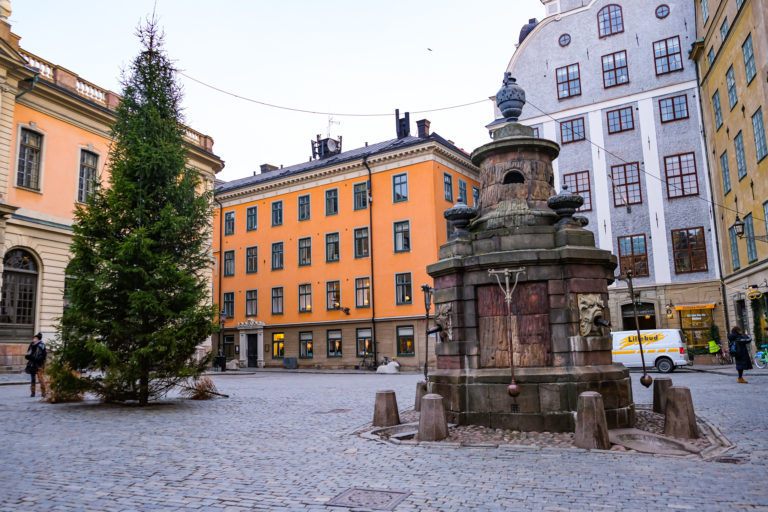
Stockholm Travel Guide: 10 essential places to visit
Stockholm is the capital of Sweden. The city is spread out over 14 islands and so water is an important natural element and gives the city it’s gorgeous waterfronts and harbours.