United Arab Emirates
The United Arab Emirates (UAE) is a fascinating mix of futuristic cities, golden deserts, and Arabian traditions. Located on the Arabian Peninsula along the Persian Gulf, the UAE is made up of seven unique emirates: Dubai, Abu Dhabi, Sharjah, Ajman, Umm Al Quwain, Ras Al Khaimah, and Fujairah. Each emirate has its own landscapes, culture, and travel experiences. Known for its world-class architecture, luxury shopping, modern attractions, and authentic heritage, the UAE has become one of the most exciting destinations in the Middle East. You can go exploring the skyscrapers of Dubai, the cultural treasures of Abu Dhabi, or the rough mountains of Ras Al Khaimah. In this travel guide I give you highlights to visit, best time to go, a suggested 6-day itinerary and more.

A brief history of the United Arab Emirates
The United Arab Emirates (UAE) has a history that goes back far beyond its futuristic skylines and luxury resorts. Long before Dubai and Abu Dhabi became global travel cities, this region was home to ancient desert tribes, Pearl Coast settlements, and trade routes linking the Middle East, Asia, and Africa. Archaeological sites across the Emirates reveal communities dating back over 5,000 years, living on fishing, trading, and maritime exchange in the warm waters of the Arabian Gulf.
During the 18th and 19th centuries, the coastline became known as the Trucial States. It was named after the maritime peace treaties signed between local rulers and the British. These agreements paved the way for political stability and helped develop the region’s trading economy. The discovery of oil in the mid-20th century changed the Emirates almost overnight. It increased major developments in infrastructure, education, and modern innovation.
In 1971, seven emirates: Abu Dhabi, Dubai, Sharjah, Ajman, Umm Al Quwain, and Fujairah (with Ras Al Khaimah joining in 1972) united to form the country now known as the UAE. Under visionary leadership, the nation rapidly progressed into a global powerhouse famous for its luxury tourism, cultural heritage, futuristic architecture, and world-class hospitality.
Today, the UAE balances modern ambition with cultural traditions, You will have the unique opportunity to explore both ancient heritage sites and cutting-edge cityscapes. From historic forts in Sharjah to traditional souks in Dubai and the inspiring museums of Abu Dhabi. The country’s past continues to shape its dynamic present.
Top places to visit
Dubai
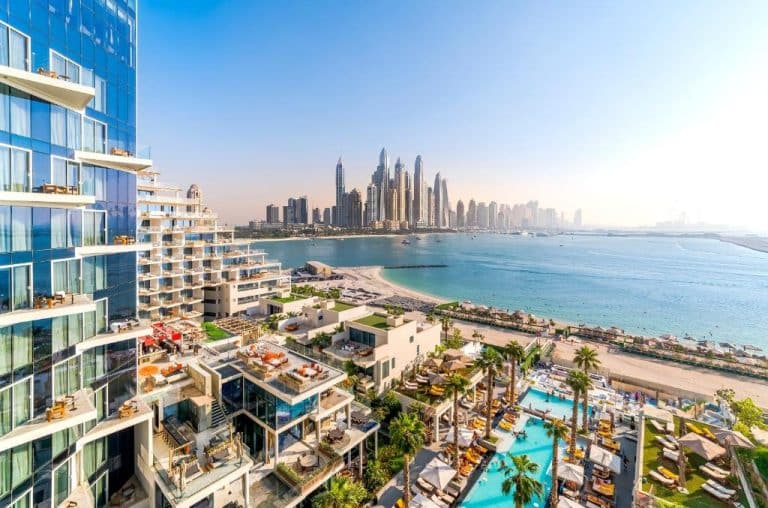
Dubai is the UAE’s most iconic city, famous for its ultra-modern skyline, luxury experiences, and record-breaking attractions. You can explore the Burj Khalifa, wander through the charming Al Fahidi Historical District, shop in Dubai Mall, or enjoy the sun on Jumeirah Beach. Dubai combines futuristic innovation with traditional souks.
Abu Dhabi
The UAE’s capital mixes culture, art, and Arabian elegance. The breathtaking Sheikh Zayed Grand Mosque is one of the world’s largest and a must-see architectural masterpiece. Visit Louvre Abu Dhabi, stroll along the Corniche, or explore the desert landscapes of Al Wathba. Abu Dhabi also has adventure on Yas Island, home to Ferrari World and Yas Marina Circuit.
Sharjah
Often called the cultural heart of the UAE, Sharjah is known for its museums, heritage areas, and beautifully preserved architecture. The Sharjah Museum of Islamic Civilization, Al Noor Island, and Heart of Sharjah show the emirate’s commitment to culture, art, and history. It’s a quieter, more traditional alternative to Dubai and Abu Dhabi.
Ras Al Khaimah
Ras Al Khaimah gives you a stunning natural landscapes, rough mountains, and outdoor adventures. The dramatic Jebel Jais mountain range is home to the world’s longest zipline, while pristine beaches and desert camps provide more relaxing experiences. It’s perfect if you enjoy hiking, nature, and adventure.
Fujairah
Located on the Gulf of Oman, Fujairah is a refreshing contrast with its wadis, sandy beaches, and cooler climate. Visit the Fujairah Fort, explore Wadi Wurayah National Park, or enjoy scuba diving along the emirate’s coral-rich coastline. Fujairah is ideal for nature lovers and if you are looking for a peaceful escape.
Ajman
As the smallest emirate, Ajman charms visitors with its relaxed atmosphere, uncrowded beaches, and friendly local culture. The Ajman Museum is housed in an 18th century fort, displaying the region’s history. The beachfront hotels make it a quiet retreat close to Dubai and Sharjah.
Umm Al Quwain
Umm Al Quwain is one of the UAE’s least-explored gems, perfect for travellers looking for tranquillity and nature. Highlights include the UAQ Mangrove Islands, Dreamland Aqua Park, and centuries-old archaeological sites. It’s a peaceful escape known for kayaking, bird-watching, and slow-paced coastal life.

Festivals and Holidays
The United Arab Emirates (UAE) is a country that mixes modern celebrations with traditional Islamic culture. Understanding the key festivals and public holidays can help visitors plan their trip to enjoy local traditions, events, and entertainment.
Eid Al-Fitr
Celebrated at the end of Ramadan, Eid Al-Fitr is one of the most important religious holidays in the UAE. Families gather to pray, share festive meals, and exchange gifts. Public spaces and malls are decorated, and you can experience traditional Emirati dishes and cultural activities during this joyful period.
Eid Al-Adha
Known as the “Festival of Sacrifice,” Eid Al-Adha honours the willingness of Ibrahim (Abraham) to sacrifice his son in obedience to God. The holiday includes prayers, feasts, and charity. Many hotels and cultural centres host special events, allowing tourists an insight of the UAE’s traditions.
National Day
December 2nd marks the UAE’s National Day, celebrating the country’s unification in 1971. The entire country comes alive with fireworks, parades, concerts, and cultural shows. Iconic landmarks like the Burj Khalifa and Sheikh Zayed Grand Mosque are beautifully illuminated, making it a spectacular time to visit.
Dubai Shopping Festival
Held annually in January–February, the Dubai Shopping Festival (DSF) attracts global visitors with massive discounts, entertainment, fashion shows, and live performances. It’s the perfect time for you to shop for luxury goods, electronics, and traditional souvenirs while enjoying cultural events.
Other Festivals
- Sharjah Light Festival (February–March): Illuminates historic buildings with artistic light displays.
- Abu Dhabi Film Festival: Shows local and international films, ideal for movie enthusiasts.
- Dubai Food Festival: Celebrates culinary diversity with food markets, celebrity chefs, and tastings.
- Art Dubai: An international art fair attracting galleries and collectors worldwide.
Visiting the UAE during these festivals allows you to experience the lively culture, traditions, and entertainment, making any trip more memorable.
Do’s and don’ts in the United Arab Emirates
Visiting the United Arab Emirates (UAE) offers a mix of modern experiences and traditional culture, and understanding local customs ensures a respectful and enjoyable trip. Here’s a helpful guide for travellers:
Do’s
- Respect local customs and traditions: Dress modestly, especially in mosques, traditional areas, and government buildings. Women should cover shoulders and knees, and men should avoid wearing shorts in public areas.
- Use polite greetings: A simple handshake or verbal greeting like “As-salamu alaykum” shows respect.
- Stay hydrated and protect yourself from the sun: The UAE’s desert climate can be intense, so always carry water and wear sunscreen.
- Follow traffic and pedestrian rules: Roads are well-maintained, but fines for violations are strictly enforced. Use designated pedestrian crossings.
- Experience local culture: Visit mosques, souks, and cultural centres to learn about Emirati heritage. Trying traditional foods and participating in festivals is highly encouraged.
Don’ts
- Avoid public displays of affection: Kissing, hugging, or holding hands in public is considered inappropriate and can lead to fines.
- Don’t drink alcohol in public: Alcohol is only permitted in licensed venues, such as hotels, bars, and private clubs. Drinking in public areas is strictly prohibited.
- Avoid offensive gestures or language: Swearing, rude hand gestures, or public arguments can result in fines or arrest.
- Don’t photograph people without permission: Especially women, military sites, and government buildings. Respect privacy and security laws.
- Avoid drug-related offenses: The UAE has zero tolerance for drugs, including possession of small amounts or certain prescription medications without proper documentation.
Following these simple do’s and don’ts makes sure you have a safe, respectful, and enjoyable visit to the UAE.

Practical info
Currency: UAE dirham (AED)
ATM: Most restaurants and shops accept credit cards. Euro’s and American Dollars can be exchanged at hotels, banks and exchange offices. At most places you can use your debit card as well (maestro).
Languages: Arabic
Religion: Islam
Capital city: Abu Dhabi
Visa: Visiting the United Arab Emirates (UAE) requires you to check visa requirements before arrival, as rules vary depending on nationality, travel purpose, and duration of stay. The UAE has several types of visas, making it accessible for tourists, business travellers, and transit visitors.
Tourist Visa
Most travellers need a tourist visa to enter the UAE. Tourist visas are typically valid for 30 or 90 days and can often be applied for online through official government portals, airlines, or UAE-based hotels. Some nationalities are eligible for a visa on arrival, allowing entry without prior application. Tourist visas are ideal for sightseeing, shopping, and short stays.
Transit Visa
If you have a stopover in the UAE, a transit visa allows a stay of 48 to 96 hours. This visa is perfect for travellers who want to explore Dubai, Abu Dhabi, or other emirates during a layover. Airlines like Emirates and Etihad often assist passengers in obtaining transit visas before arrival.
Business Visa
Business travellers or those attending conferences, exhibitions, or corporate meetings may need a business visa. These visas are usually sponsored by UAE-based companies or event organizers and are valid for short-term professional visits.
Entry Requirements
When applying for any UAE visa, travellers need a valid passport, passport-sized photographs, and sometimes proof of accommodation or return flight tickets. Some visas may require a bank statement or invitation letter, depending on the applicant’s country of origin. Health and travel insurance are recommended for all visitors.
Local SIM Card: Getting a SIM card in the United Arab Emirates is simple and convenient. Major providers such as Etisalat, du, and Virgin Mobile offer tourist SIM cards that can be purchased at airports, malls, or telecom stores, requiring only a passport for registration. These SIMs provide flexible plans with data, calls, and messaging, valid for anywhere from a few days to several months. If you prefer digital solutions, eSIMs are also available, including Virgin Mobile UAE’s tourist eSIM plans. Global eSIM providers like Airalo are popular for international travel but they may not always work reliably in the UAE due to local telecom regulations. It is also recommended to either install them before arrival or opt for a local eSIM for better connectivity during your trip.
Country Code: +971
Time: UTC + 4:00 (United Arab Emirates Standard Time)
Official Tourism Website: Visit the official Tourism Board website of Dubai or Abu Dhabi.
Practical info: Are you planning a trip and you need some practical info? Read the ultimate planning guide when you are going for a long term journey or download the packing list. I share tips about setting up a travel budget. Or find out the best travel apps to use.
Sustainable travel: I have written a few articles about sustainable travel. I give tips about how to make your trip more sustainable and how to fly more sustainable. I believe even the smallest effort can help.

Public Transport
Metro
The Dubai Metro is the most advanced public transit system in the UAE. They offer fast, clean, and affordable travel across the city. With two main lines, the Red and Green lines, it connects major attractions, shopping centres, business districts, and the airport. Fully automated and air-conditioned, the metro is ideal for tourists looking to avoid traffic while experiencing the city.
Buses
Both Dubai and Abu Dhabi have extensive bus networks covering almost every area. Public buses are an economical way to explore the cities, with routes connecting metro stations, beaches, shopping malls, and cultural sites. Buses are modern, air-conditioned, and equipped with digital route information, making them a comfortable option for daily commuting or sightseeing.
Taxis and Ride-Hailing
Taxis are widely available across the UAE, with regulated fares in Dubai, Abu Dhabi, and other emirates. Ride-hailing apps like Careem and Uber are convenient options for point-to-point travel, airport transfers, and late-night journeys. Taxis are particularly useful for exploring areas not well served by metro or buses.
Water Transport
In cities like Dubai and Abu Dhabi, water taxis, ferries, and abras are scenic alternatives to road travel. The Dubai Ferry connects key coastal areas, while traditional wooden abras provide charming short crossings across the Dubai Creek. These services combine transport with sightseeing, giving you a unique perspective of the city.
Intercity Transport
For travel between emirates, the UAE has intercity buses and long-distance taxis. The Abu Dhabi-Dubai bus service is popular among tourists and are affordable, and comfortable. There are also plans for high-speed rail in the future, which will further improve connectivity across the country.
6-Day UAE Travel Itinerary
Day 1: Arrival in Dubai
Start your UAE adventure in Dubai, the country’s most famous city. After arriving at Dubai International Airport, check into your hotel and spend the afternoon exploring Dubai Mall, home to the Dubai Aquarium & Underwater Zoo. In the evening, visit the Burj Khalifa’s observation deck to enjoy panoramic views of the city lights and finish with the Dubai Fountain show.
Day 2: Dubai City Tour
Dedicate a full day to exploring Dubai’s top sights. Begin at the historic Al Fahidi Historical District and Dubai Museum to learn about the city’s past. Cross the creek on a traditional abra and visit the Gold and Spice Souks. In the afternoon, relax at Jumeirah Beach or experience the thrilling Ain Dubai Ferris Wheel on Bluewaters Island.
Day 3: Desert Safari Adventure
Take a break from the city with a desert safari. Activities include dune bashing, camel riding, sandboarding, and a sunset photo session over the dunes. Enjoy a traditional Bedouin-style dinner with live cultural performances before returning to Dubai.
Day 4: Abu Dhabi Exploration
Travel to Abu Dhabi (approx. 1.5–2 hours from Dubai). Visit the Sheikh Zayed Grand Mosque, one of the world’s most stunning architectural landmarks. Explore Louvre Abu Dhabi to admire art from across the globe and stroll along the Corniche waterfront. End the day at Yas Island, home to Ferrari World or relaxing at Yas Beach.
Day 5: Sharjah and Fujairah
Head to Sharjah, the cultural heart of the UAE. Explore the Sharjah Museum of Islamic Civilization, Heart of Sharjah, and Al Noor Island. In the afternoon, drive to Fujairah on the Gulf of Oman to enjoy its beaches or visit the Fujairah Fort. For nature lovers, explore Wadi Wurayah National Park before returning to your hotel.
Day 6: Relaxation and Departure
Spend your last day at leisure. If in Dubai, visit Dubai Marina, take a boat tour, or shop at Mall of the Emirates. Enjoy a relaxing brunch or beach time before heading to the airport for your departure. This day allows you to relax, do last-minute shopping, or capture final photos of the UAE skyline.
Best Time to visit the United Arab Emirates
The United Arab Emirates (UAE) enjoys a desert climate, which means hot summers and mild winters. Choosing the right time to visit can make a big difference in your experience, especially if you plan to explore outdoor attractions or enjoy desert activities.
Winter (November to March)
The winter months are the most popular time to visit the UAE. Temperatures go from 24°C to 30°C (75°F to 86°F), making it ideal for sightseeing, beach activities, and outdoor adventures. This season also hosts major events and festivals like the Dubai Shopping Festival, Sharjah Light Festival, and various cultural celebrations, providing plenty of entertainment.
Spring (April to May)
Spring in the UAE is warm but comfortable, with temperatures rising between 28°C and 35°C (82°F to 95°F). It’s a good time for desert safaris, water parks, and sightseeing, though midday heat can be intense. Visiting early morning or late afternoon is recommended for outdoor activities.
Summer (June to September)
Summer in the UAE can be extremely hot, with temperatures often exceeding 40°C (104°F) and high humidity along the coast. While indoor attractions like malls, museums, and aquariums remain comfortable, outdoor activities can be challenging. This is also the low season for tourism, meaning fewer crowds and discounted hotel rates.
Autumn (October)
Autumn is another excellent time to visit, as temperatures start to drop to a more comfortable 30°C to 35°C (86°F to 95°F). The weather is perfect for beach outings, desert tours, and sightseeing before the peak winter tourist season begins.
Tip for travellers: For the most enjoyable experience, plan your trip between November and March, when the weather is pleasant and outdoor activities are at their best.