

Cycling through Belgium’s stunning Meuse Valley is one of the best ways to experience its history, beautiful landscapes, and charming villages. On my scenic bicycle day trip from Namur to Dinant, I explored beautiful water gardens, majestic castles, and peaceful abbeys. Most of the highlights were connected by the safe and scenic RAVeL cycling route. Whether you’re a history lover, nature enthusiast, or just looking for an unforgettable day outdoors. This route is a perfect mix of culture and adventure. Join me as I share my journey through some of Wallonia’s most fascinating sights, including Les Jardins d’Annevoie, Château de Bioul, Maredsous Abbey, and more.
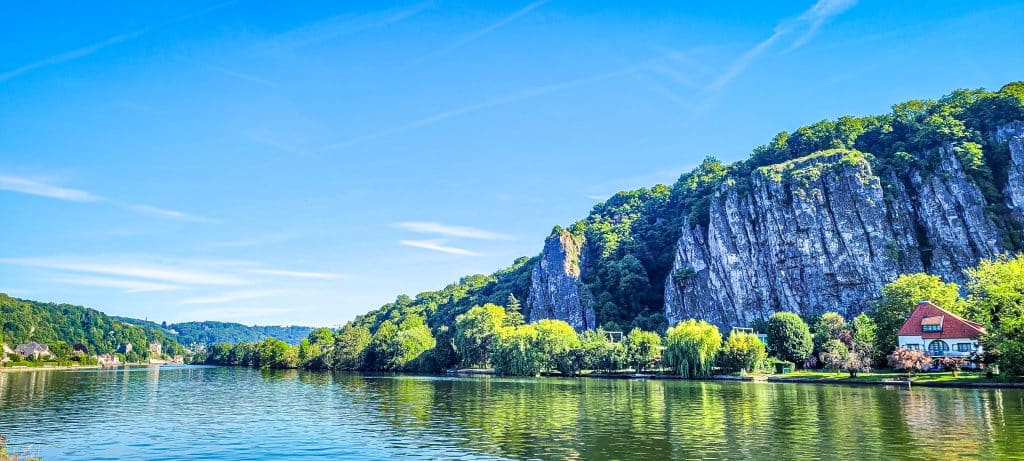
Table of Contents
A short history of the Namur–Dinant region
The Meuse Valley between Namur and Dinant has been a strategic and cultural crossroads for centuries. The fertile riverbanks and limestone hills have attracted settlers since prehistoric times, with evidence of Neolithic tools and Roman roads that once linked the region to major trade routes.
During the Middle Ages, the valley became a patchwork of small feudal territories. The area was scattered with castles like Mont-aigle and fortified towns such as Namur and Dinant. The castles guarded the Meuse River, which was an important commercial waterway for transporting goods, including Dinant’s famous copperware (“dinanderie”).
The area also became a centre of religious life with monastic communities like Maredsous Abbey and Abbaye de Maredret. Maredsous Abbey was founded in 1872 in the Benedictine tradition. The Maredret Abbey was established in 1893 for Benedictine nuns. They built on centuries of spiritual tradition, continuing the legacy of earlier medieval abbeys in the region.
The 18th century brought refinement to the area’s aristocratic estates, including the creation of Les Jardins d’Annevoie (1758–1776). This amazing garden is a mix of French, English, and Italian garden styles.
Throughout history, the region witnessed conflict from Burgundian expansion in the 15th century to battles during the World Wars. Today it is famous for its heritage, scenic landscapes, and cycling routes that connect these historic sites.
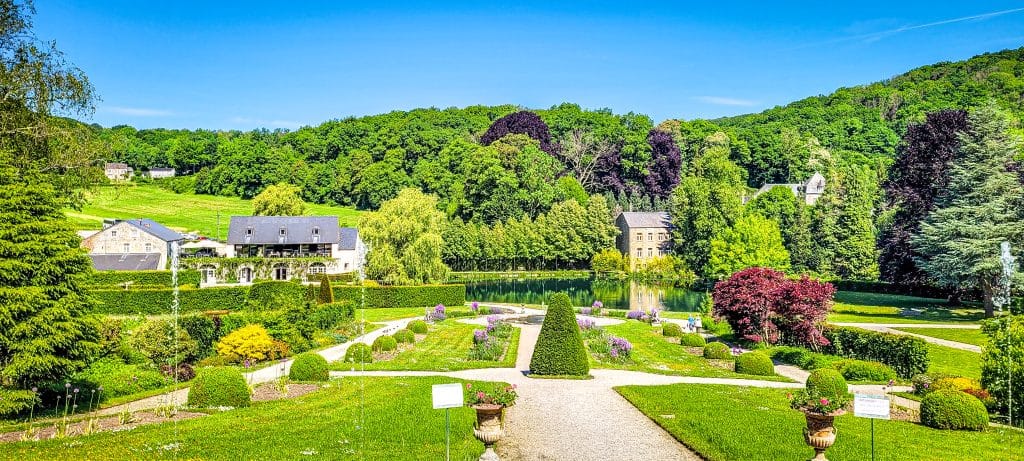
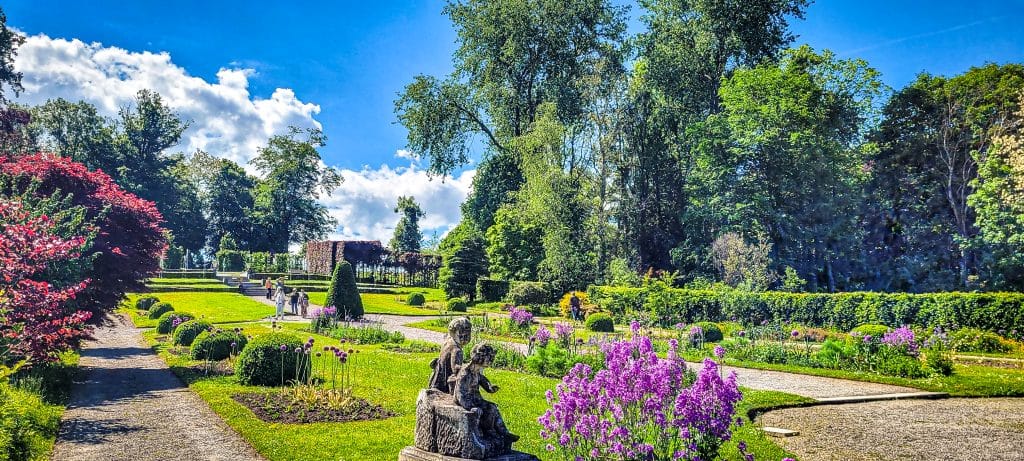
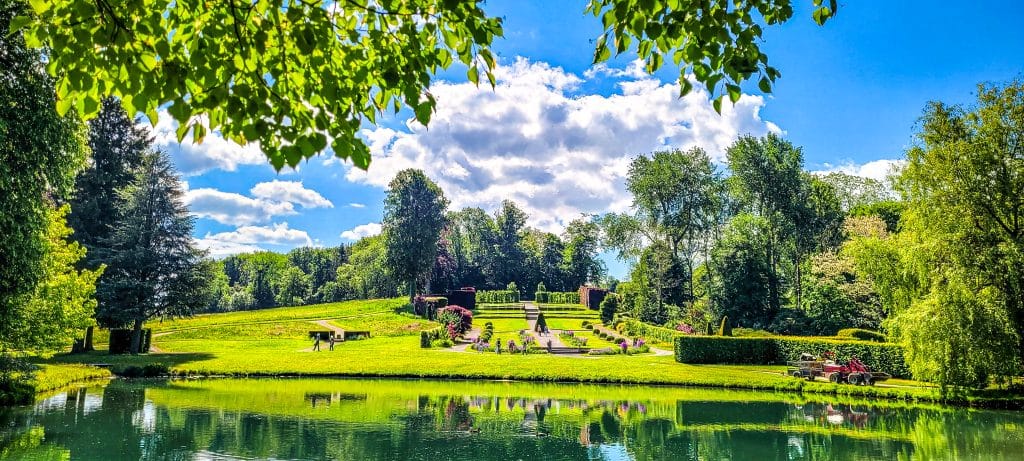
Les Jardins d’Annevoie: 18th century water gardens in Belgium’s Meuse Valley
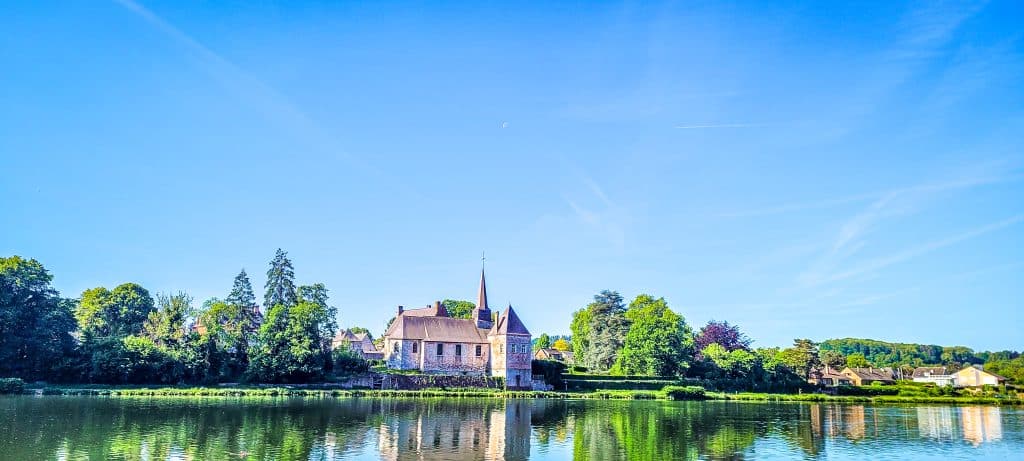
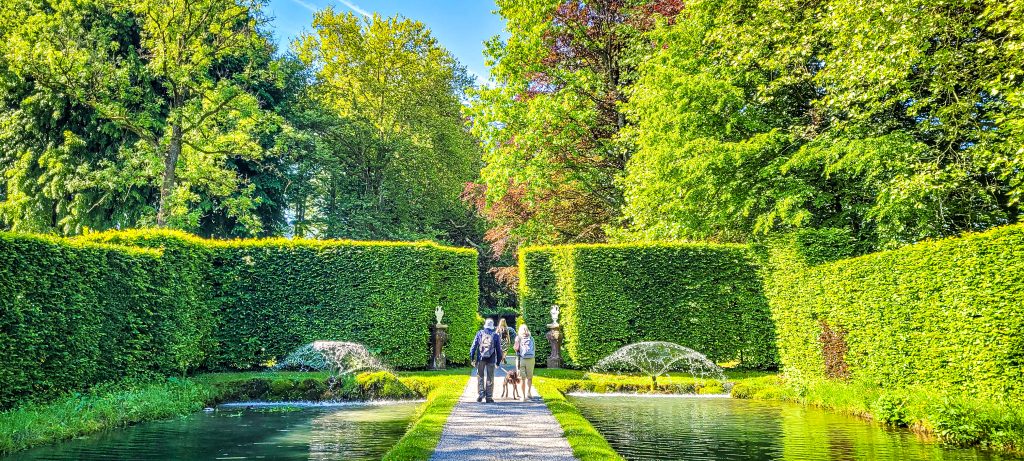
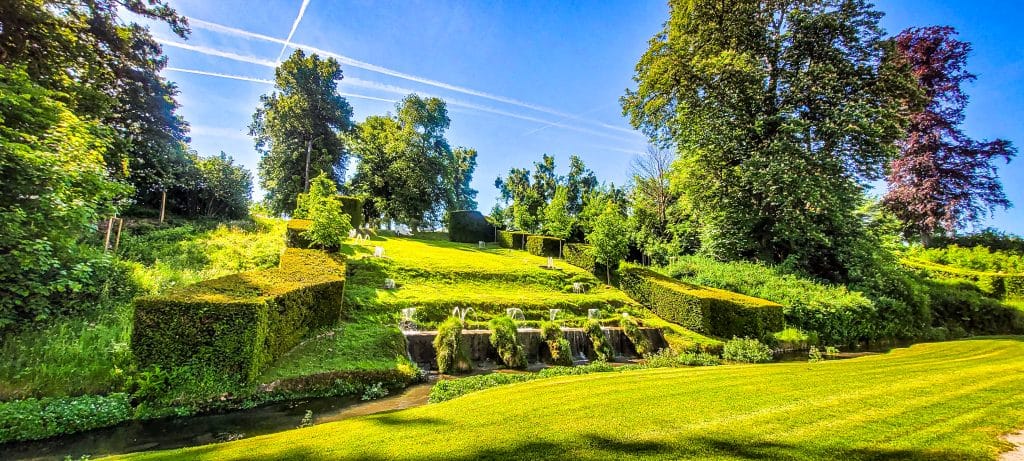
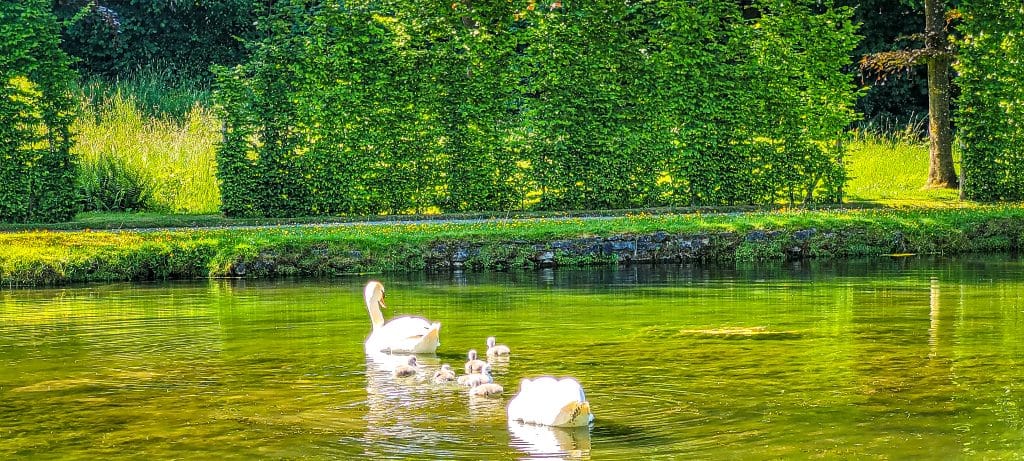
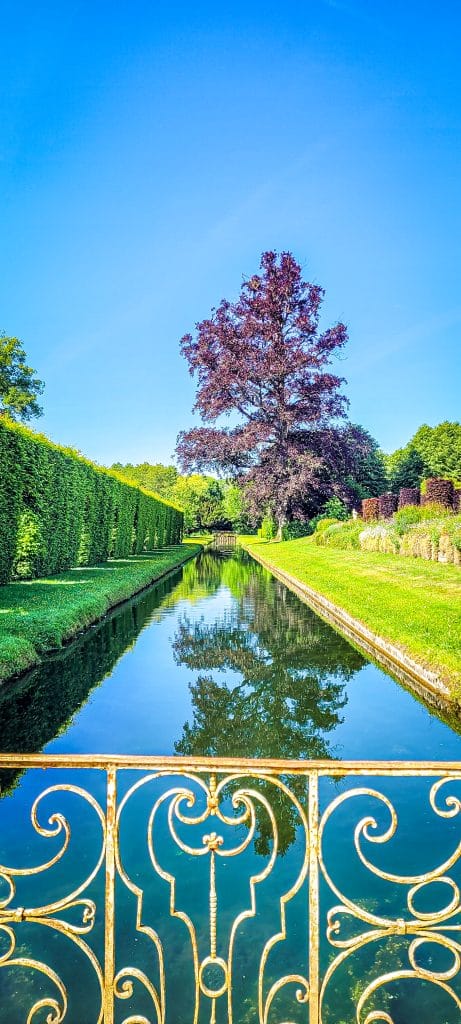
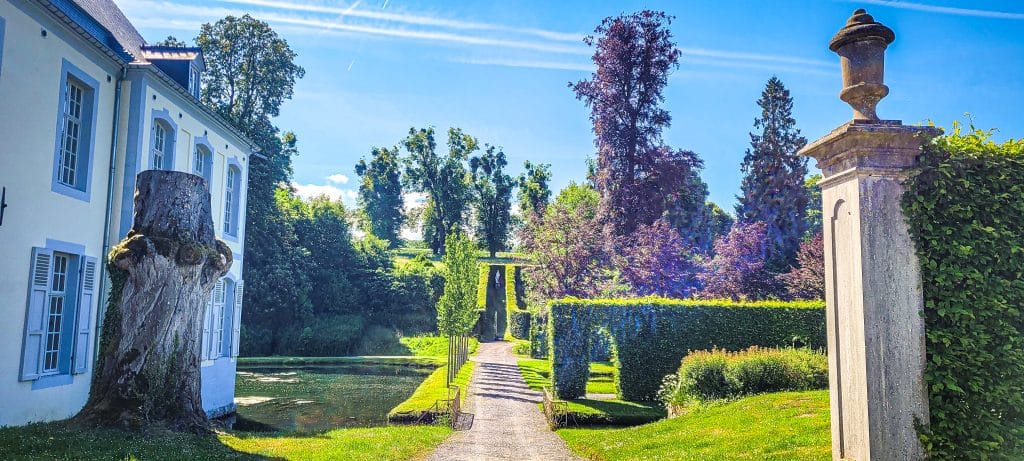
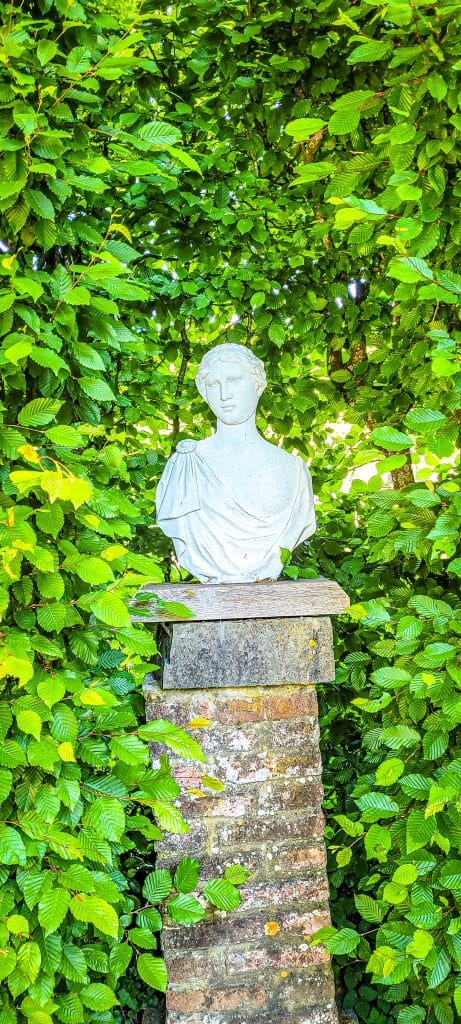
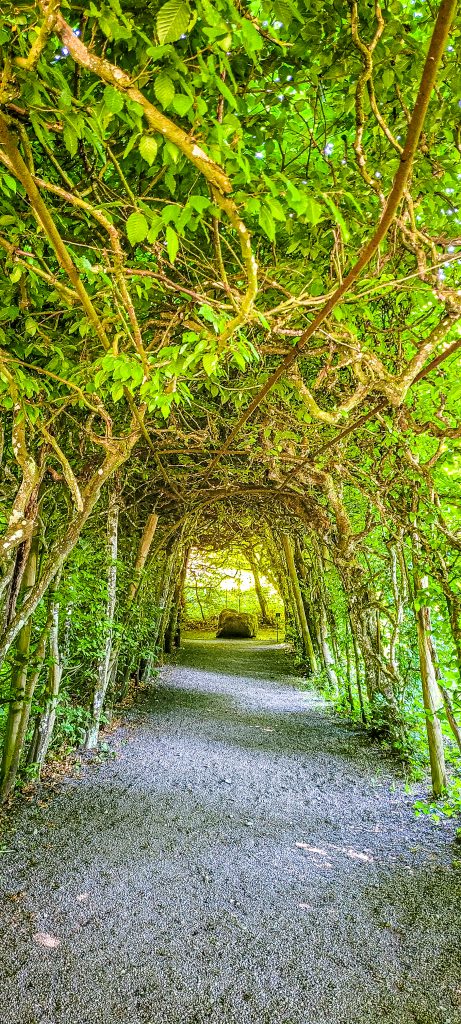
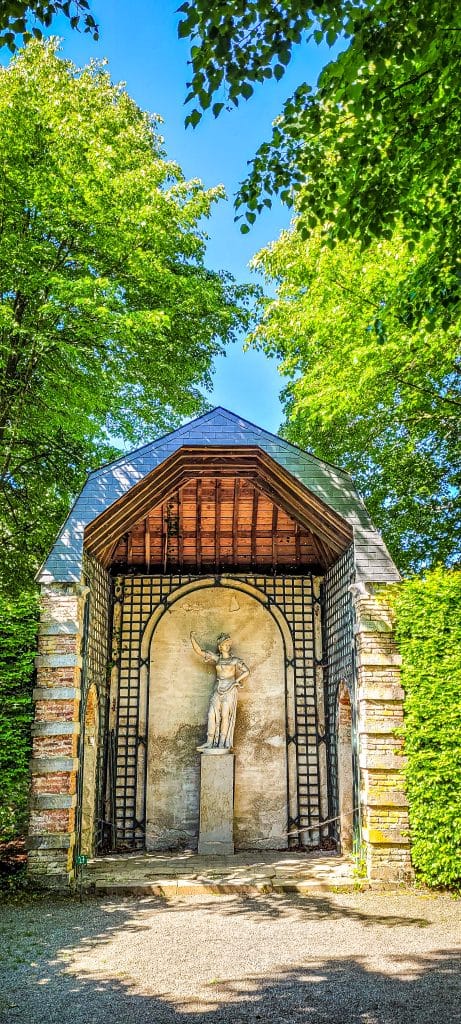
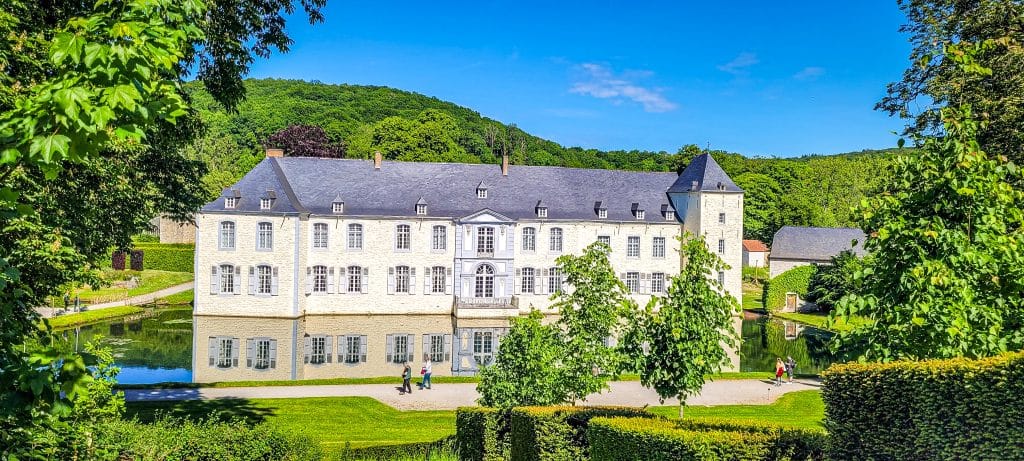
When I visited Les Jardins d’Annevoie on my cycling trip, I was surprised by how beautifully the 18th century water gardens have been preserved. The gardens are created by the de Montpellier family and combine French elegance, English landscaping, and Italian charm. There are fountains and waterfalls that run entirely on natural spring water. I learned that the site was recently renovated privately, making sure that the fountains, flowerbeds, and pathways remain as enchanting as ever. Walking past ornamental ponds and enjoying views of Annevoie Castle made this a highlight of my day. It’s a stop I’d recommend to anyone exploring Namur.
Château de Bioul: historic Belgian wine estate
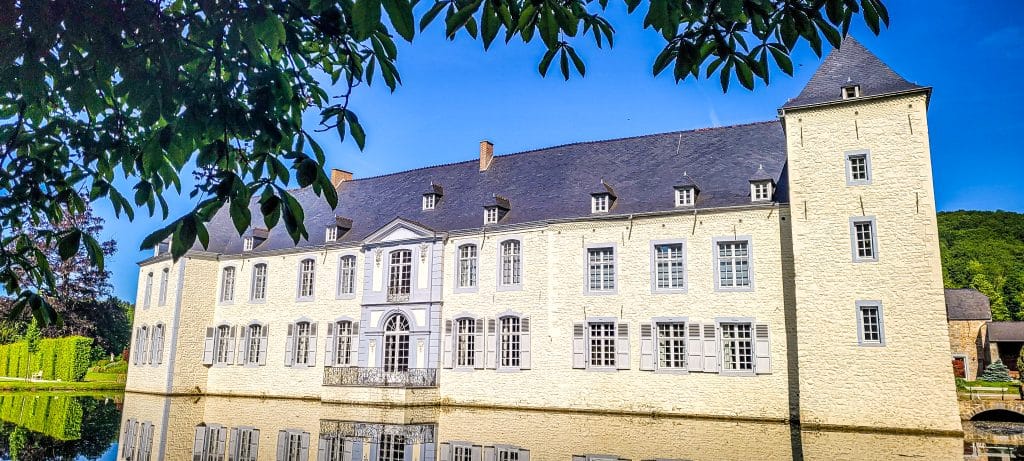
Cycling through the picturesque Condroz region, I made a stop at Château de Bioul. It is a 19th century castle surrounded by vineyards. It is known for its award-winning organic wines and beautiful estate. The château is a popular stop for wine tastings and tours. Unfortunately, when I passed by that day, it was closed to the public. But I still admired its elegant architecture and peaceful countryside setting from the outside. I can easily imagine returning to explore its gardens, learn more about its wine production, and enjoy a tasting in this historic Belgian wine estate.

Maredsous Abbey: Neo-Gothic architecture and monastic heritage
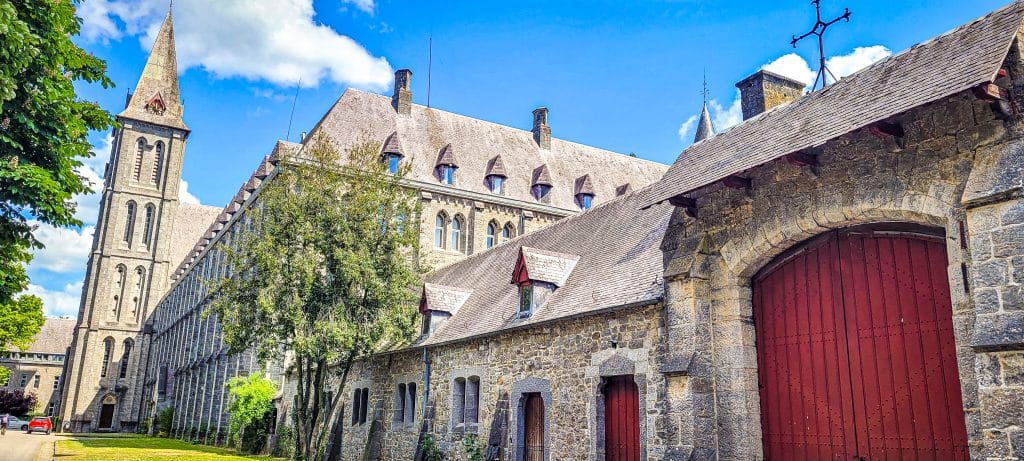
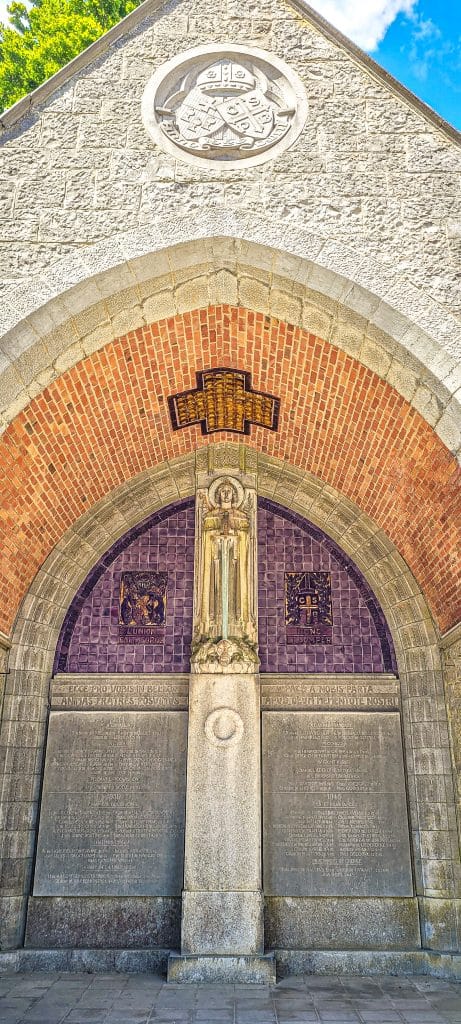
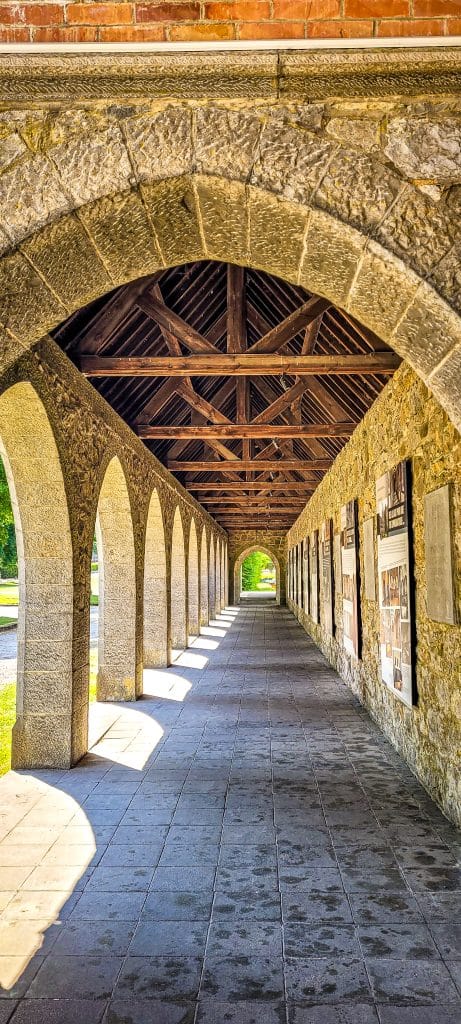
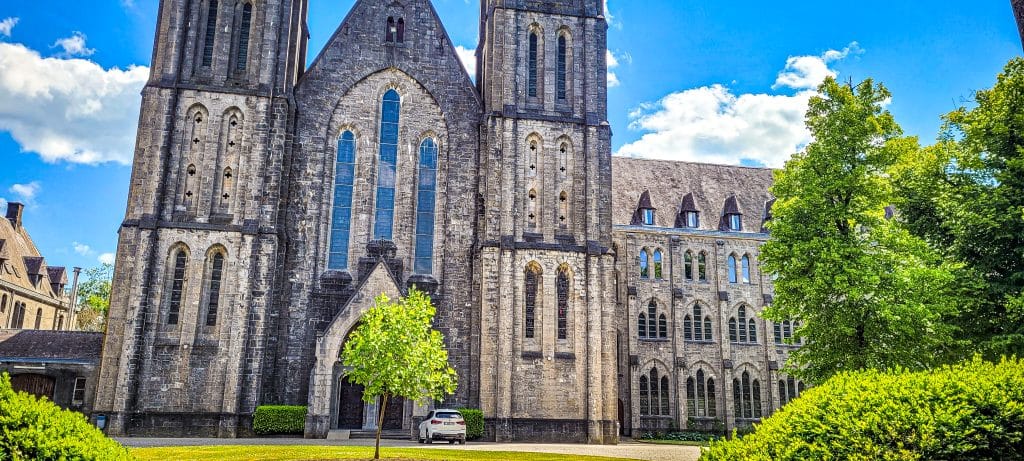
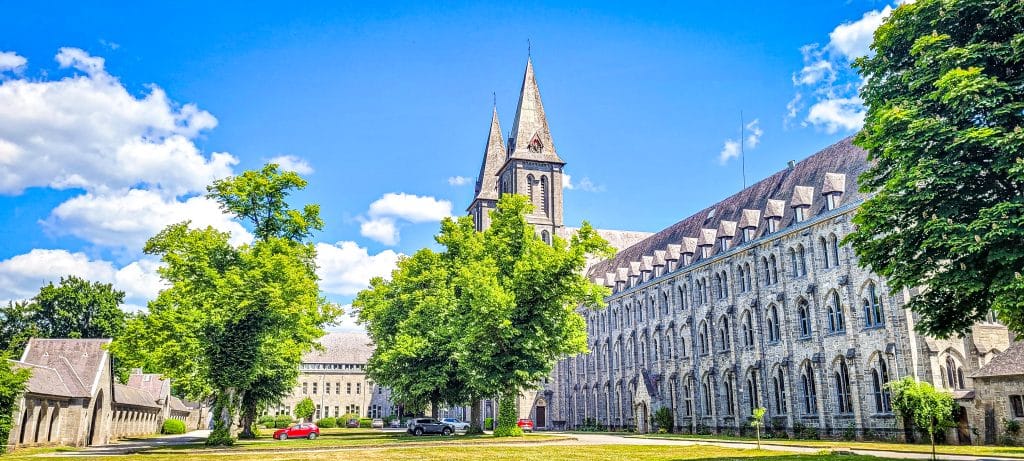
My third stop this day was a visit to the Maredsous Abbey. It is a remarkable Benedictine monastery founded in 1872 by monks from the Abbey of Beuron in Germany. The abbey stands out for its impressive neo-Gothic architecture. The structure has tall spires, detailed stone carvings, and stunning stained glass windows that reflect the craftsmanship of the late 19th century. The scale of the abbey is truly impressive. The large church and surrounding buildings create a peaceful yet inspiring atmosphere.
When I arrived, a mass was taking place inside, so out of respect, I chose not to enter but instead spent time exploring the exterior and the tranquil grounds. I was fascinated to learn how the abbey was built as part of a revival of monastic life in Belgium during that period. The Abbey mixes spiritual devotion with remarkable architectural beauty. Maredsous Abbey is also known for its traditional cheese and beer, making it a unique cultural and historical stop on any trip through the region.
Abbaye de Maredret: a serene Benedictine Abbey
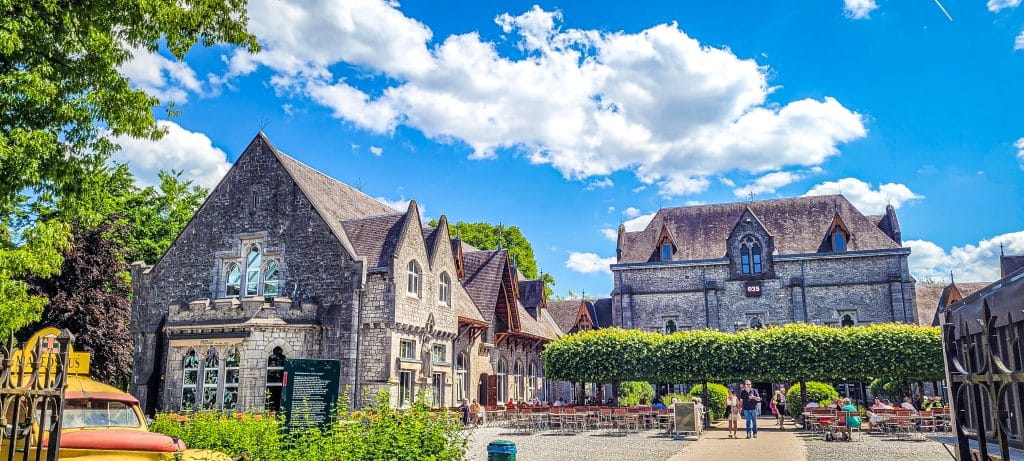
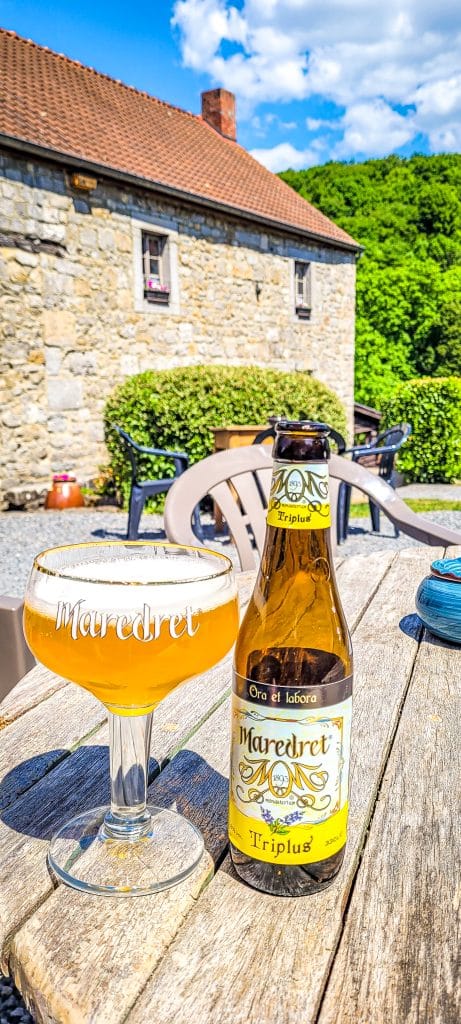
The Abbaye de Maredret is a beautiful Benedictine abbey founded in the late 19th century. I was immediately impressed by its peaceful setting and charming Romanesque Revival architecture. It is in contrast with the grand neo-Gothic style of nearby Maredsous Abbey. Although smaller in scale, the abbey projects a serene atmosphere that invites quiet reflection. I took time to explore the surrounding gardens and the abbey shop, where I discovered handcrafted and artisanal products made by the nuns. Visiting Abbaye de Maredret gave me a deeper appreciation for the religious traditions and craftsmanship in this region of Belgium.

Ruines du Château de Montaigle: medieval castle ruins
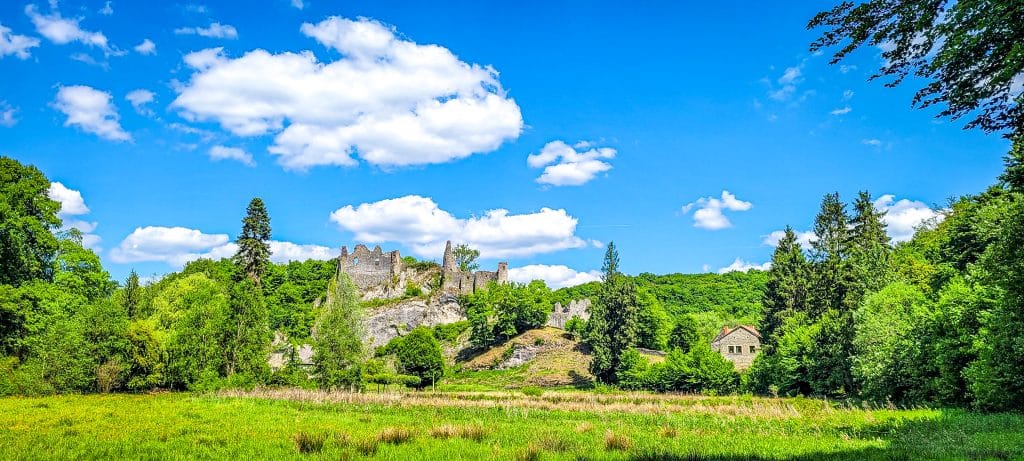
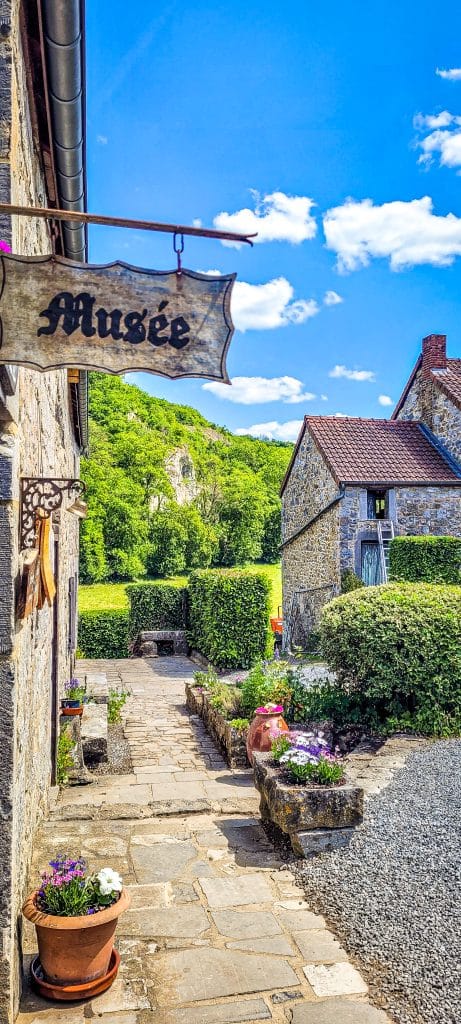
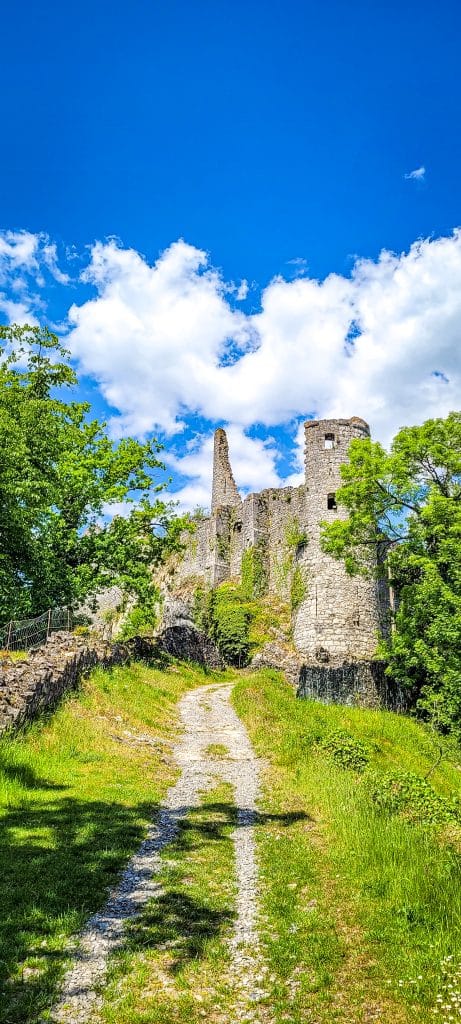
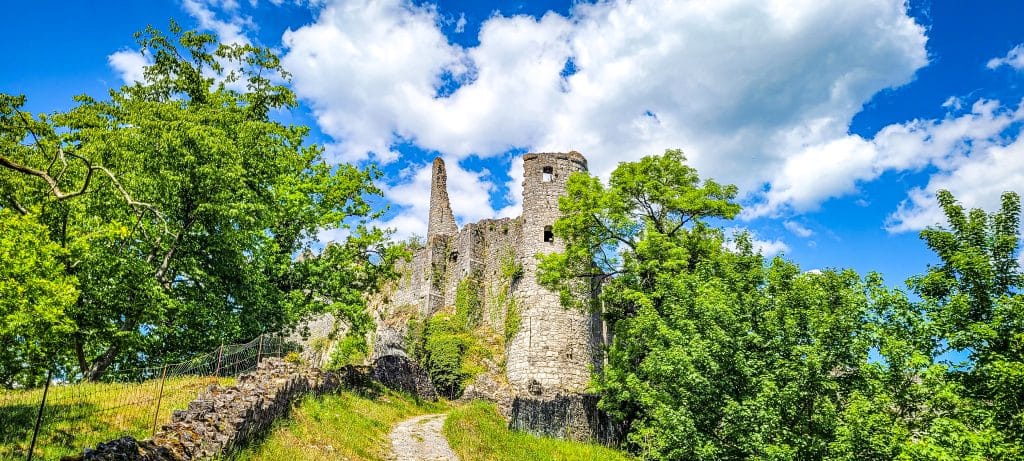
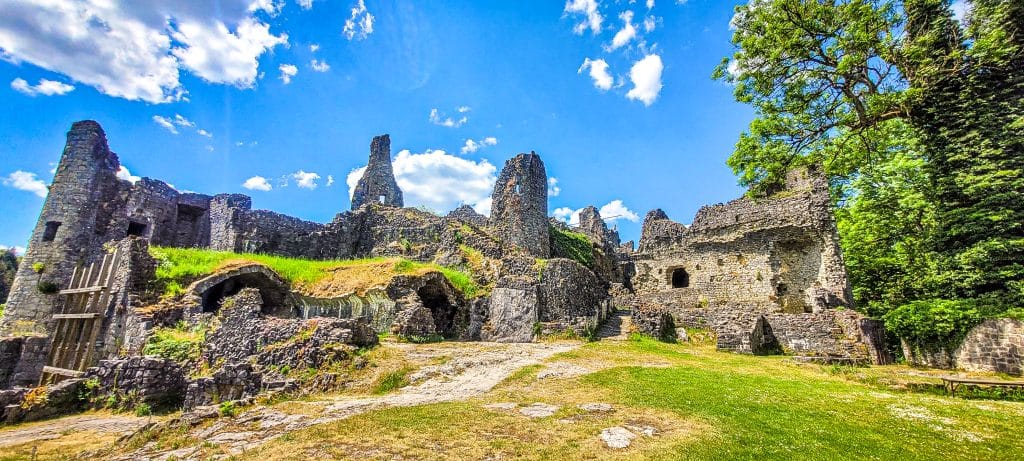
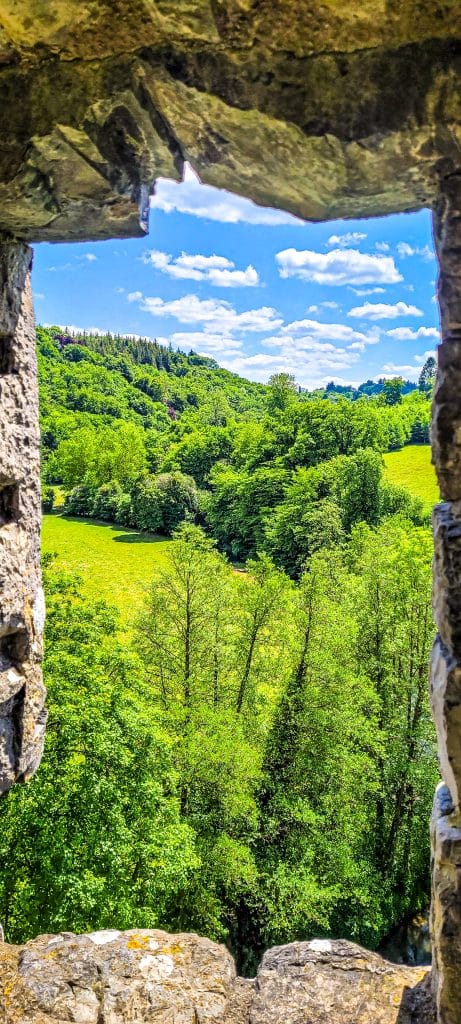
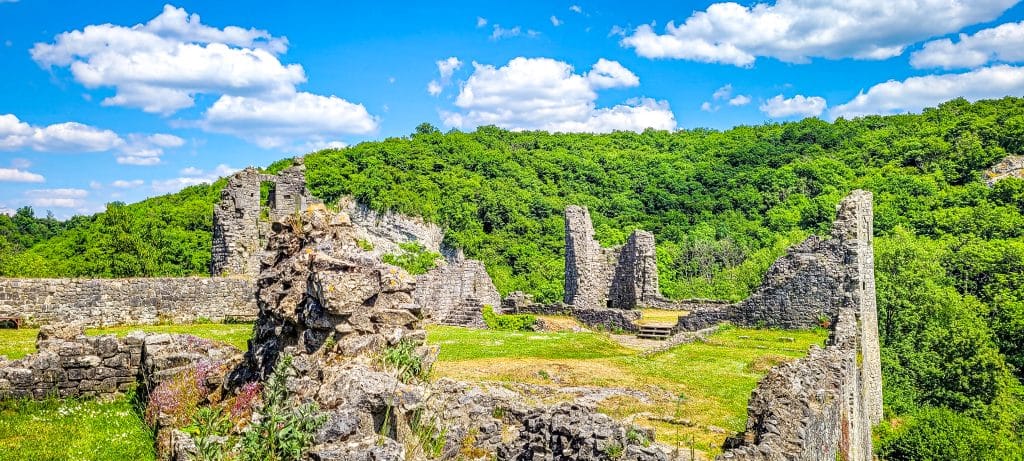
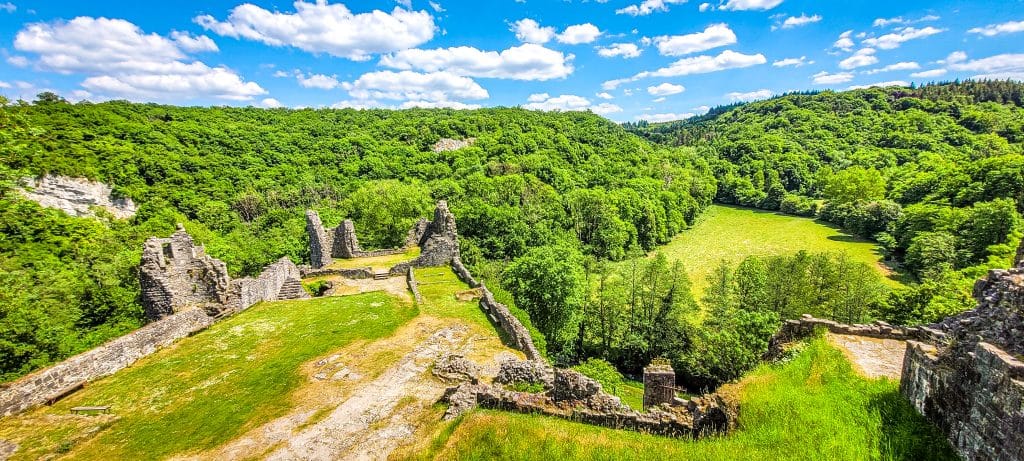
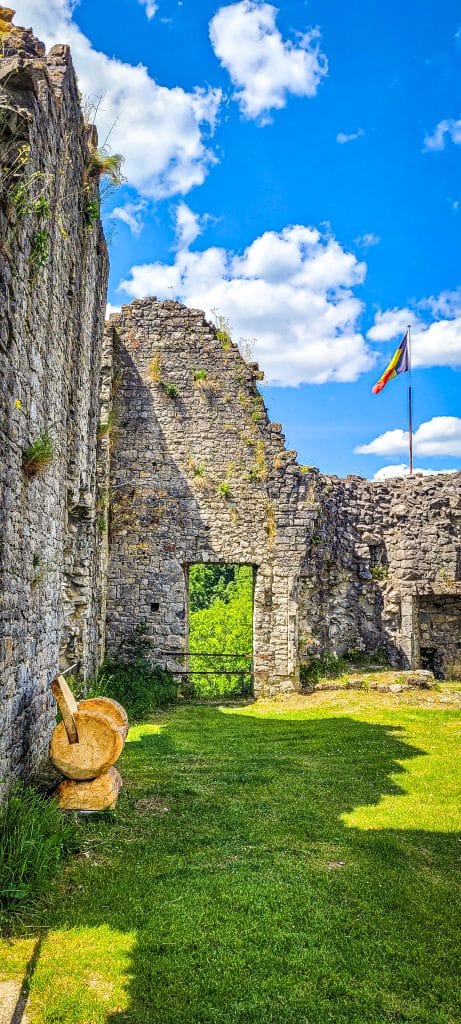
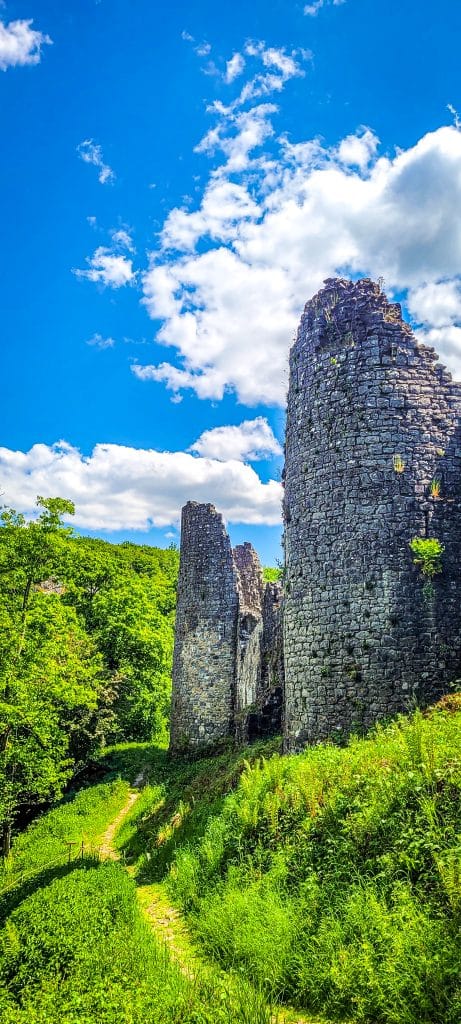
While cycling through the Meuse Valley, I made a stop at the Ruines du Château de Montaigle. This stop is a dramatic medieval castle ruin located on a rocky outcrop above the Molignée Valley. I could easily imagine how imposing it must have looked in the 14th century when it was a stronghold guarding the region. Walking around the site, I admired the weathered stone walls, archways, and towers that still stand despite centuries of history, including its destruction in the 16th century. I learned that archaeologists have uncovered traces of prehistoric settlements here, adding to its historical significance. Even from the outside, the ruins offer breathtaking views of the surrounding valley. It is a fascinating, scenic and lesser known stop along my Namur to Dinant cycling route.
Dinant: riverside charm along the Meuse
Arriving in Dinant as my last stop of my cycling trip felt like stepping into a postcard. I was immediately impressed by the dramatic setting: colourful riverside houses, the large cliffs, and the impressive Collegiate Church of Notre-Dame with its distinctive onion-shaped dome. I took time to wander along the Meuse River and enjoy the views of the Citadel of Dinant. It is a fortress located on top of the high cliffs. The Citadel has guarded the town for centuries. I also learned about Dinant’s musical heritage as the birthplace of Adolphe Sax. He was the inventor of the saxophone and I admired the quirky saxophone sculpture. Ending my day here was the perfect reward for the ride, and I left with a strong desire to return and explore more of this charming region.

Practical cycling tips for riding the RAVeL route
For my day trip, I rented an electric bicycle from Coopcyclette in Namur. I choose an electric bicycle because I planned a large loop. The electric bicycle made the ride through the Meuse Valley much easier and more enjoyable, especially with the hilly sections near the abbeys. I followed the RAVeL route between Namur and Dinant, a well-marked, car-free path that runs along the Meuse River. Another great advantage are the scenic views and a safe cycling experience.
From Maredsous Abbey to Dinant, I also used sections of the RAVeL network, which made navigation simple and stress-free. If you plan to do the same trip, I recommend bringing water and snacks, as cafés and shops can be sparse between villages. Allow extra time to stop at sights along the way. Wearing comfortable cycling clothes and checking your battery before long stretches. Starting early in the day will make the ride even more enjoyable because you will have enough time to visit everything in a slow pace.

Best time to cycle for scenic views and good weather
The best time to do this cycling trip from Namur to Dinant is late spring to early autumn, when the weather is warm and the landscapes are at their most beautiful. I was lucky to experience it on a sunny spring day with temperatures around 28°C. It made the ride along the Meuse River and through the valleys even more enjoyable. In spring, you’ll see blooming flowers in places like Les Jardins d’Annevoie, while autumn has colourful foliage in the surrounding hills. I recommend avoiding winter unless you’re prepared for cold, wet conditions and shorter daylight hours, as the charm of this route is best enjoyed under blue skies.
How to get to the Meuse Valley
To reach the Namur–Dinant region, here’s an outline on the best ways to get there and around. I started this cycling trip in Namur but you can also start in Dinant. So from Namur:
Train
Namur is a key place in the Belgian rail network. From Brussels, you can reach Namur in about 1 hour via direct InterCity trains from stations like Bruxelles‑Midi/Zuid or Central. There are also direct trains from Liège, Charleroi, and Luxembourg.
Car
Driving gives flexibility for exploring rural Wallonia. The E‑411 and E‑42 motorways link Brussels (≈65 km, ~1h) and Liège (≈64 km, ~50 min) directly to Namur. City centre parking can be found at places like Confluence garage or the Citadel site.
Air
Namur doesn’t have its own airport. The nearest major airports are Brussels Airport (BRU) (~65 km) and Charleroi “Bruxelles South” (CRL) (~30–40 min drive). From BRU, you can take a direct train (~70 min) or transfer via Brussels stations. From CRL you can take a shuttle bus to Charleroi‑Sud station and then a 30–36 min train ride will get you to Namur.
Coach & rideshare
Budget coaches like FlixBus serve Namur from larger cities. Rideshare services (e.g. BlaBlaCar) are also popular between Brussels and Namur, often taking about 1 hour at low cost.

Getting around & starting your cycling trip
Once in Namur, the SNCB/NMBS station is right in the city centre and directly connected to the TEC bus and long-distance coach station, making further travel easy. Inside the city, you can:
- Walk or take a city TEC bus
- Use the Namur cable‑car (téléphérique) to reach the Citadel
- Rent a bike or e‑bike at Coopcyclette, as I did
For the bike day trip, I started at Coopcyclette in Namur and started on the RAVeL route along the Meuse to the Les Jardins d’Annevoie, Château de Bioul, Maredsous Abbey, Abbaye de Maredret, Ruines du château de Montaigle and Dinant. And than back to Namur. The entire loop is almost 80km. You can make it shorter if you skip Dinant and go directly back to Namur after visiting the Ruines of Montaigle.
Alternative ways to do the trip
If you’re planning this cycling trip, know that you don’t have to follow the route exactly as I did from Namur to Dinant. You can easily do the trip in reverse, starting in Dinant and making your way back to Namur while enjoying the same stunning views and historic stops. The route is suitable for both electric and traditional bicycles, so if you prefer a regular bike, you can still manage the terrain comfortably. But keep in mind the hills might be a bit more challenging.
For those who want a more relaxed experience, driving between the sites is also an option, with plenty of parking available near major attractions. Another great alternative is combining cycling with train travel. Belgium’s SNCB trains allow bikes on board. There are several train stations between Namur and Dinant so you can adjust the trip. This way the trip is more flexible and accessible for all fitness levels. Godinne station is close to the Les Jardins d’Annevoie. From Yvoir station it’s easy to follow the RAVel route to Ruines du château de Montaigle, Maredsous Abbey, Abbaye de Maredret.

Highlights in Belgium
Belgium may be small, but it has many incredible places waiting to be explored! Plunge into the medieval charm of Bruges, with its picturesque canals, cobblestone streets, and stunning architecture. Don’t miss the lively city of Ghent or the historic and artistic hub of Antwerp, the birthplace of Rubens. In Antwerp you can admire five monumental churches, including the amazing Carolus Borromeus Church.
For a touch of tranquil history, make sure to visit the Abbey de Villers, a beautifully preserved Cistercian abbey nestled in the Walloon Brabant countryside. It is a peaceful glimpse into medieval monastic life amid stunning ruins and serene gardens. Namur is the capital of Wallonia and is a charming riverside city where the Meuse and Sambre meet. Known for its impressive Citadel, scenic old town, and lively café culture, it’s perfect for a relaxed city break with history, views, and local flavours.
Nature lovers will be captivated by the breathtaking Ardennes, which offer endless outdoor adventures. Explore the citadel and riverside charm of Dinant, or go for a refreshing hike in the Kalmthoutse Heide, a beautiful nature reserve nestled between Antwerp and the Netherlands. If you’re in Brussels during springtime, don’t miss the magical Serres of Laeken. These gardens are open to the public for just six weeks each year.
History enthusiasts will find a deeply moving experience in Ypres and the Flanders Fields, which tell the powerful story of the First World War. Get ready to discover the many wonders and heritage that make Belgium truly fascinating!

