

Planning a day trip from Breda? Discover the charming city of Dordrecht, a hidden gem located at the meeting point of three rivers in the Netherlands. With its medieval history, picturesque canals, and vibrant cultural scene, Dordrecht is a perfect mix of old-world charm and modern attractions. Whether you’re strolling through medieval streets, exploring fascinating museums, or enjoying peaceful riverside views. This article will highlight the top things to do and see during your unforgettable day trip to Dordrecht.
This article is also featured on GPSmyCity. To download this article for offline reading or create a self-guided walking tour to visit the attractions highlighted in this article, go to Walking Tours and Articles in Dordrecht.

Table of Contents
History of Dordrecht
Dordrecht is the oldest city in the province of Holland. The city’s history goes back to at least the 11th century. First mentioned in 1049, Dordrecht flourished because of its strategic location where several major rivers meet. Including the Oude Maas, Beneden Merwede, and Noord. This position made it a dynamic trading centre in medieval times. Especially for timber, wine, and grain. In 1220, Dordrecht became the first city in Holland to receive city rights, which allowed it to hold markets, build fortifications and establish itself as a leading economic and political centre.
Middle Ages
During the Middle Ages, Dordrecht grew wealthy thanks to the stapelrecht. This was a trading privilege that required all merchants to unload their goods in Dordrecht before continuing their journey. This rule made the city one of the most important ports in the Netherlands. As part of the Hanseatic trading network, Dordrecht also built strong international connections. The harbours were filled with goods from across Europe.
In the 16th and 17th centuries, Dordrecht played a key role in Dutch history. In 1572, the city hosted the First Free States Assembly. This was a crucial meeting that paved the way for the independence of the Dutch Republic from Spain. A few decades later, in 1618-1619, Dordrecht gained religious significance when it hosted the Synod of Dordrecht. This was an international council that defined the principles of the Dutch Reformed Church and influenced Protestantism worldwide.
Although Dordrecht’s influence declined in the 18th century, especially as Rotterdam rose to prominence, the city has preserved its historical charm. Dordrecht is known for its picturesque old town, medieval harbour, and historic monuments. It is a fascinating destination for anyone interested in Dutch history.

Top things to do and historic sites in Dordrecht
Dordrecht is a charming historic city filled with canals, centuries-old architecture, and cultural treasures. As the oldest city in Holland, it has a perfect mix of history, museums and scenic spots. Its compact old town, surrounded by waterways, is easy to explore on foot, making it ideal for a day trip.
Groothoofdspoort
The Groothoofdspoort is one of Dordrecht’s most iconic landmarks and a highlight for visitors interested in the city’s history. This historic city gate is located where three major rivers meet: the Oude Maas, Beneden Merwede and Noord. It was once the main entrance to Dordrecht from the water. Its strategic position not only made it a important point of defence but also a symbol of the city’s wealth and importance as a trading city.
The gate’s origins date back to the Middle Ages, but its current appearance reflects renovations from the 17th century. The striking façade and Renaissance-style decorations were added around 1618. Including the beautiful city coat of arms and statues of Dordrecht’s patron saints. The river-facing side of the gate, with its distinctive triangular gable and classical ornaments, is especially photogenic and remains a favourite viewpoint for tourists.
From here you can watch the constant movement of boats and barges on the rivers, giving you a sense of Dordrecht’s long-standing connection to trade and shipping. The area around the gate is now a lovely place to relax, with several cafes and terraces offering stunning waterfront views. It’s also a great starting point for exploring Dordrecht’s historic harbour district and old town.


Het Dordts Patriciershuis Museum
The Het Dordts Patriciërshuis Museum is also known as the Museum on the Meuse. It is a beautifully preserved canal house in Dordrecht that give you an insight into the life of wealthy merchants around 1800. Built in 1649, the house has elegant rooms, including the famous Maaskamer, an 18th century salon with large windows overlooking the meeting point of three major rivers. Visitors can admire authentic furniture, decorative art and paintings by local Dutch masters.
Historic harbour Wolwevershaven
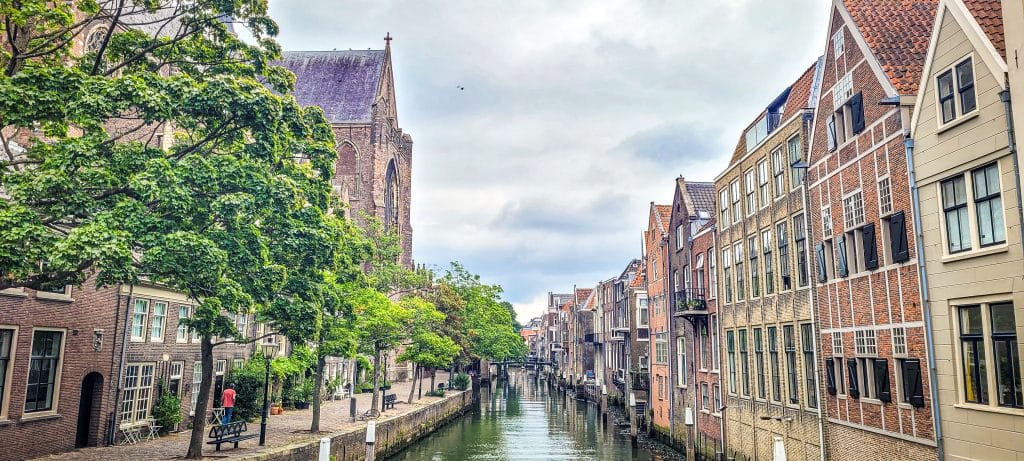
The Wolwevershaven is Dordrecht’s most historic harbour. It is tucked into the heart of the old town where the ancient textile‑weaving district once was. This charming, narrow canal basin retains its authentic 17th and 18th century atmosphere. The harbour is surrounded with beautifully preserved merchant houses, warehouses, and historic quay walls. Historically, it was the centre of Dordrecht’s linen and textile trade. Weavers and merchants worked here and docked their barges. Now you can go strolling along the cobbled quays or pausing at one of the waterside cafés.

Huis van Gijn
The Huis van Gijn is a beautifully restored 19th century canal mansion in the heart of Dordrecht. It was once home to the wealthy banker Simon van Gijn. Entering the museum feels like stepping into a preserved moment in time: from the elegant drawing room to the intimate study. All room are furnished with original antiques, fine art, and personal belongings that reflect the refined taste and domestic life of a prosperous Dordt family. The house is set on the tranquil Wolwevershaven canal. Its atmosphere of authenticity and detail makes it one of Dordrecht’s most beautiful historic homes.
Onze-Lieve-Vrouwe cathedral
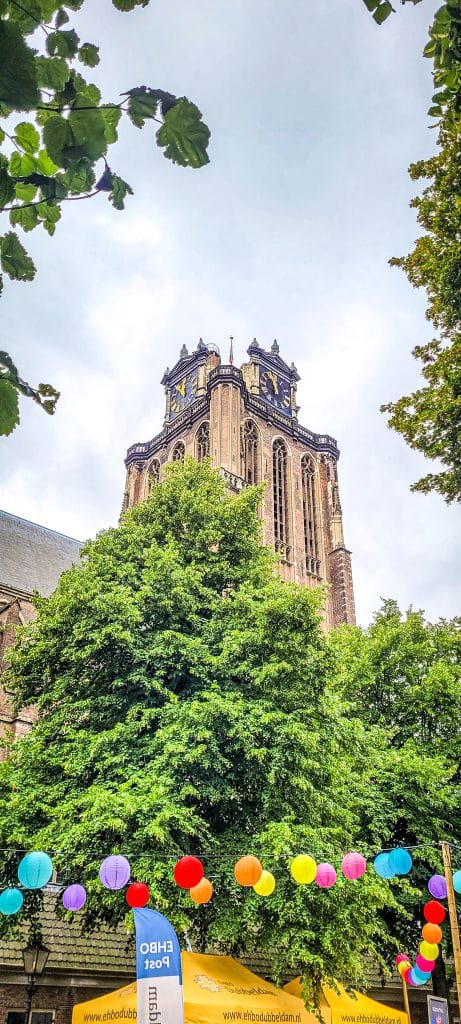
The Church of Our Lady in Dordrecht is known locally as the Grote Kerk. It is one of the most important Gothic churches in the Netherlands and a landmark of the city’s medieval power. Construction began in the late 13th century and continued into the 15th century, with the church being rebuilt in Brabantine Gothic style after a major fire in 1457. Its architecture is notable for its impressive rib-vaulted ceilings, which is rare in Dutch churches.
The decorated choir with carved wooden choir stalls is dating back from the early 16th century. The church’s massive tower was originally intended to be much taller. But it was left unfinished due to unstable ground and now rises to about 65 meters with a slight lean. Over the centuries, the church was used as a central place of worship and civic pride. It was originally a Roman Catholic church dedicated to the Virgin Mary, but became Protestant after the Reformation in 1572.


City Hall Dordrecht
The City Hall of Dordrecht (Stadhuis) is a striking historic building that reflects the city’s medieval wealth and political importance. The structure was originally built in the late 14th century as a cloth hall. It was later converted into a city hall in the 16th century. The building’s architecture is a mix of Gothic structure and classical Renaissance details, added during renovations in the 17th century. Its grand façade, with elegant pilasters and a central pediment, faces the Voorstraatshaven canal, where goods once arrived by boat. The tower with its clock and carillon was added in the 1830s, giving the building its distinctive profile. Dordrecht’s City Hall remains a symbol of the city’s long-standing role in Dutch civic and political life.
Former Walloon church
The former Walloon Church (Waalse Kerk) in Dordrecht began its life in the 17th century when the Walloon Reformed congregation acquired a former hospital building for their services. Rebuilt in the mid-19th century in a restrained early Neo-Gothic style, the long brick hall church presents nine bays framed by rounded-arch niches and tall arched windows. The building is topped by a distinctive hexagonal wooden clock tower. The church is no longer used for worship but the building maintains its architectural integrity. It is now used for newer functions while preserving its heritage as a striking monument in the heart of the city.


Hof van Nederland Museum
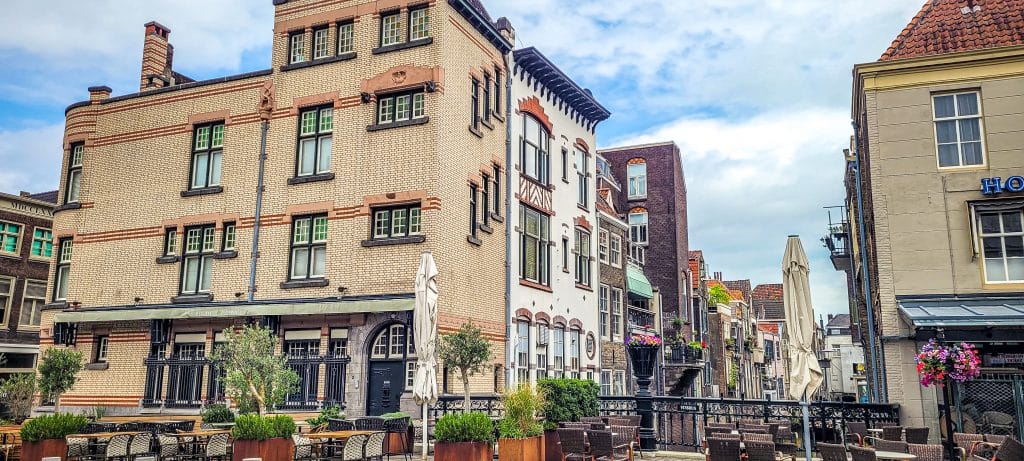
The Hof van Nederland Museum in Dordrecht is housed in the stately building where the historic First Free States Assembly took place in 1572. This was an important moment in the founding of the Dutch Republic. The museum’s historic façade, with its Renaissance detailing and elegant symmetry, reflects Dordrecht’s civic pride and political importance. The museum exhibits immersive displays, artifacts, and multimedia installations that bring the dramatic story of the Dutch revolt and the city’s role in independence to life. This mix of well-preserved architecture and thoughtfully curated interpretation makes the museum both an educational highlight and an architectural treasure in Dordrecht’s old town.
Wijnbrug
The Wijnbrug in Dordrecht is a beautifully arched stone bridge originally constructed in the late 17th century. The built the bridge to cover a narrow historic canal used for the city’s thriving wine trade. Hence its name (“wine bridge”). Its graceful single arch and robust stone construction reflect the elegant yet practical civic architecture of the Dutch Golden Age. The bridge is surrounded by classic merchant houses. From the bridge you have a photogenic riverside view that draws out Dordrecht’s bustling harbour past. It is charming architectural landmark in the old town, perfect for leisurely strolls and historic photo moments.
De Biesbosch National Park
De Biesbosch National Park is located near Dordrecht. It is one of the most unique and dynamic nature reserves in the Netherlands. It’s a freshwater tidal wetland shaped by centuries of interaction between rivers, sea, and humans. This labyrinth of creeks, willow forests, and islands have countless outdoor activities for nature lovers, families, and adventurers. Here’s a detailed overview of what you can do in De Biesbosch:
Canoeing and kayaking
One of the best ways to explore De Biesbosch is by water. The park has an extensive network of narrow creeks and waterways that are only accessible by small boats.
- Self-guided canoe or kayak rentals are available at various points in the park, especially from the Biesbosch centrum Dordrecht.
- Routes are clearly marked and range from easy 1-hour loops to longer, more adventurous trails.
- Expect to paddle through quiet reed beds, under low-hanging willow trees, and past beaver lodges.
Whisper boats and guided cruises
For a more relaxed experience, whisper boats (electric boats) and guided cruises offer a peaceful way to discover the wetlands without disturbing the wildlife.
- Beaver safaris and sunset cruises are particularly popular and often include a guide who shares information about the ecosystem.
- Bird-watching cruises are offered during migration seasons, when herons, kingfishers, sea eagles, and even ospreys are active.
Hiking and nature walks
De Biesbosch has several well-maintained hiking trails of different lengths and difficulties. Some popular options include:
- Beversporenroute (Beaver Trail): A 5 km loop where you can spot signs of beaver activity, such as gnawed tree trunks and dams.
- Noordergat route: A scenic trail across dikes and through wetlands, ideal for birdwatching.
- Seasonal flower trails: In spring and early summer the trails are lined with marsh marigold, purple loosestrife, and other wildflowers.
Most paths are flat and family-friendly, with wooden boardwalks or firm soil, making them suitable for all fitness levels.
Cycling
Cyclists can enjoy paved paths that go through the outer edges of the park and across the surrounding polder landscapes.
- Routes like the Biesbosch route combine quiet country roads, bridges, and dikes, with frequent views over the water.
- You can combine biking with a short ferry ride to explore other parts of the park or the nearby island of Dordrecht.
Birdwatching and wildlife spotting
De Biesbosch is a paradise for birdwatchers and wildlife photographers.
- More than 100 bird species can be spotted throughout the year, including cormorants, spoonbills, sea eagles, and grebes.
- The wetlands are also home to over 300 beavers, foxes, and deer. Beavers are most active at dawn and dusk, but signs of their activity are visible all day.
- Observation huts and viewing towers are available at key spots.
Educational activities and visitor centres
At Biesbosch centrum Dordrecht, you’ll find:
- Interactive exhibitions about the area’s history, ecology, and tidal systems.
- Educational programs for children and school groups, including treasure hunts and nature labs.
- A small shop, café, and picnic areas.
There’s also an outdoor play forest for kids and a climbing trail where they can safely explore the natural environment.
Relaxation and mindful nature experiences
You don’t need to be active to enjoy the park.
- Many people visit just to sit by the water, have a picnic, watch the tides change, or read a book under a tree.
- Some wellness and yoga retreats take place near the park, using its peaceful surroundings to encourage relaxation.

Local events
Dordrecht has a vibrant calendar of events throughout the year. It is great destination for cultural enthusiasts. In the summer, the city hosts the Big Rivers Festival, a dynamic celebration of music, theatre, and poetry held in June. Summer brings the Wantijpop music festival in June, attracting thousands to Wantij Park. The World Jazz Days in August shows international jazz talent. The Dordtse Boekenmarkt is held in August and is one of Europe’s largest outdoor book markets.
Dordt in Stoom (Steam Festival)
Held every two years, Dordt in Stoom is Europe’s largest steam event, attracting thousands of visitors. The historic harbour fills with vintage steamships, steam trains, and old machinery. There are boat parades, demonstrations, and nostalgic activities celebrating industrial heritage.
Dordrecht Christmas Market (Dordtse Kerstmarkt)
One of the largest and most atmospheric Christmas markets in the Netherlands, this event in December changes the historic centre into a winter wonderland. Expect over 200 stalls, twinkling lights, live music, and festive food and drinks.
Big Rivers Festival
This vibrant free music and cultural festival takes place each July, bringing dozens of bands to stages across the city. Genres range from jazz and blues to pop and world music. The whole city turns into a celebration, with food trucks and street theatre in the mix.
Open Monumentendag (Open Monuments Day)
On this national heritage weekend in September, Dordrecht opens the doors to many historic buildings, churches, and hidden courtyards. Some of which are usually closed to the public. Guided tours and cultural activities bring local history to life.
Dordtse Boekenmarkt (Book Market)
This charming open-air book market takes place in late summer along the waterfront and old town streets. Collectors, readers, and writers browse second-hand books, rare editions, and meet local authors.
Wantijpop
A family-friendly pop music festival held in Wantijpark each June. It combines a relaxed picnic atmosphere with live Dutch music acts, art installations, kids’ activities, and sustainability initiatives.
Where to stay in Dordrecht
Dordrecht has a variety of charming accommodations to suit every traveller’s taste. From boutique hotels situated in historic buildings to modern guesthouses and cozy apartments. Whether you’re looking for luxury with river views, a peaceful stay surrounded by gardens, or a convenient base near the city centre, Dordrecht’s welcoming hospitality and comfortable options make it easy to relax and enjoy your visit.
BenB FirstClassEnglish
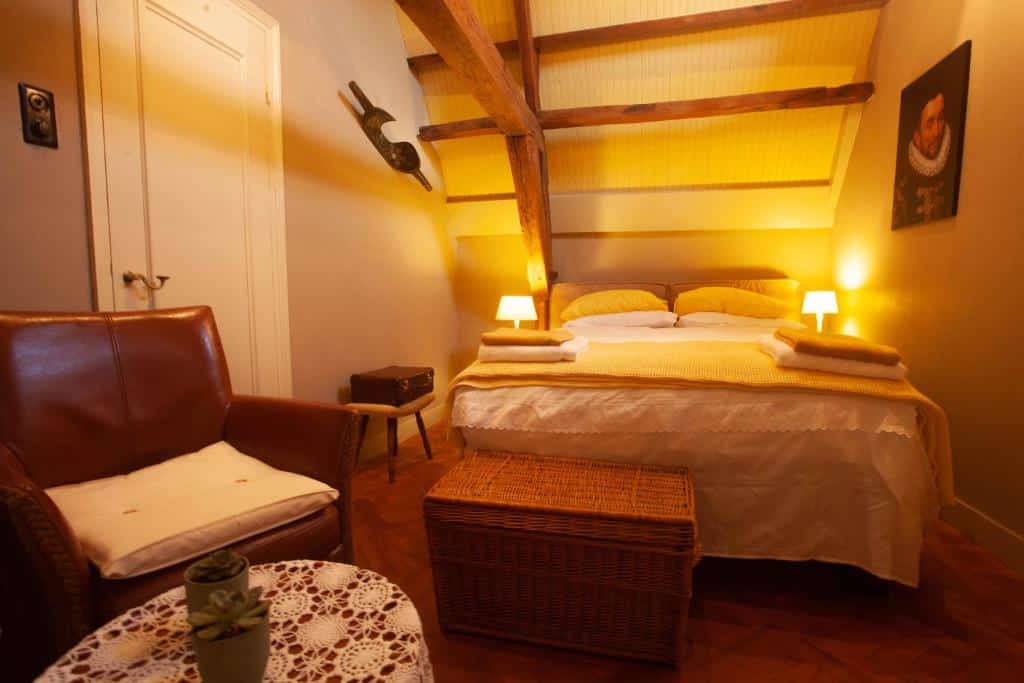
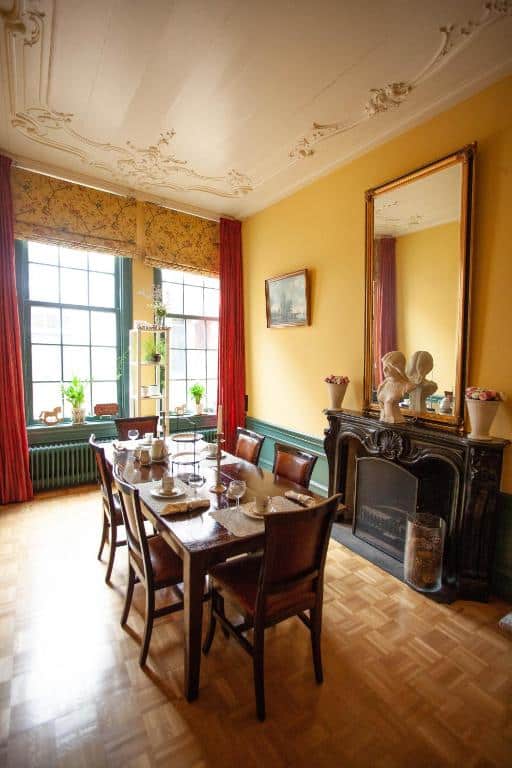
BenB FirstClassEnglish is a cozy and well-equipped guesthouse in Dordrecht, ideal for travellers looking for comfort and convenience. Visitors often praise its clean, modern rooms and friendly, helpful hosts who go the extra mile to make stays enjoyable. Many reviews on Booking.com highlight the excellent location, close to Dordrecht’s historic centre and transport links. It is very easy to explore the city and surrounding areas. Guests appreciate the quiet atmosphere and the personalized touch, such as breakfast options and local tips, which add to a welcoming experience.
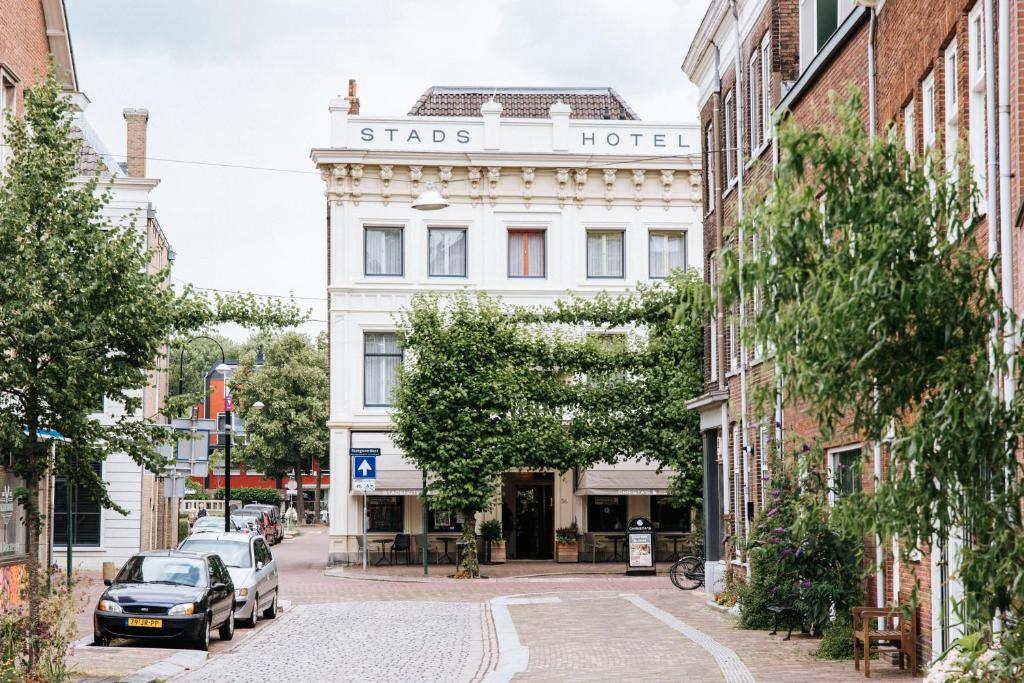
Stadshotel Steegoversloot
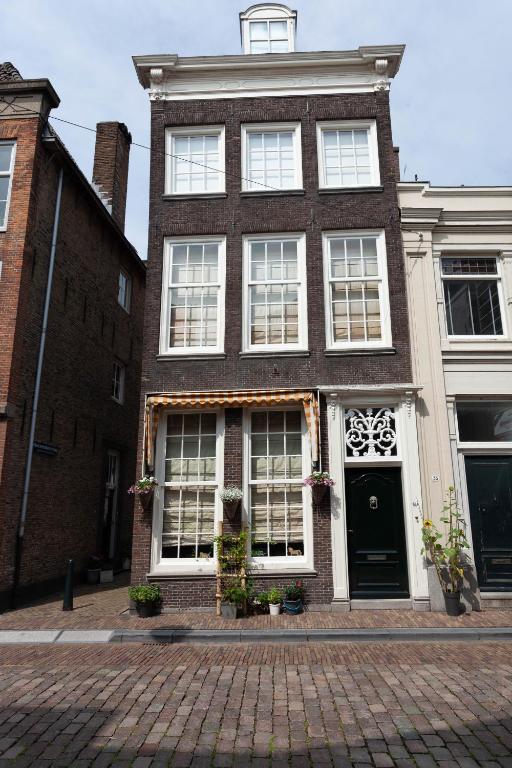
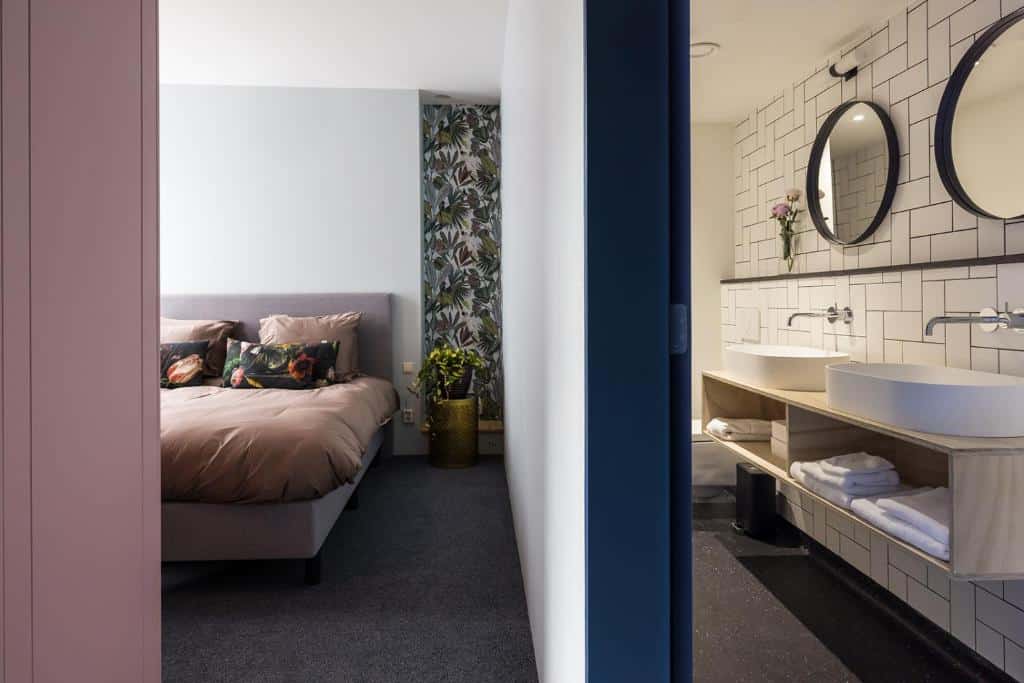
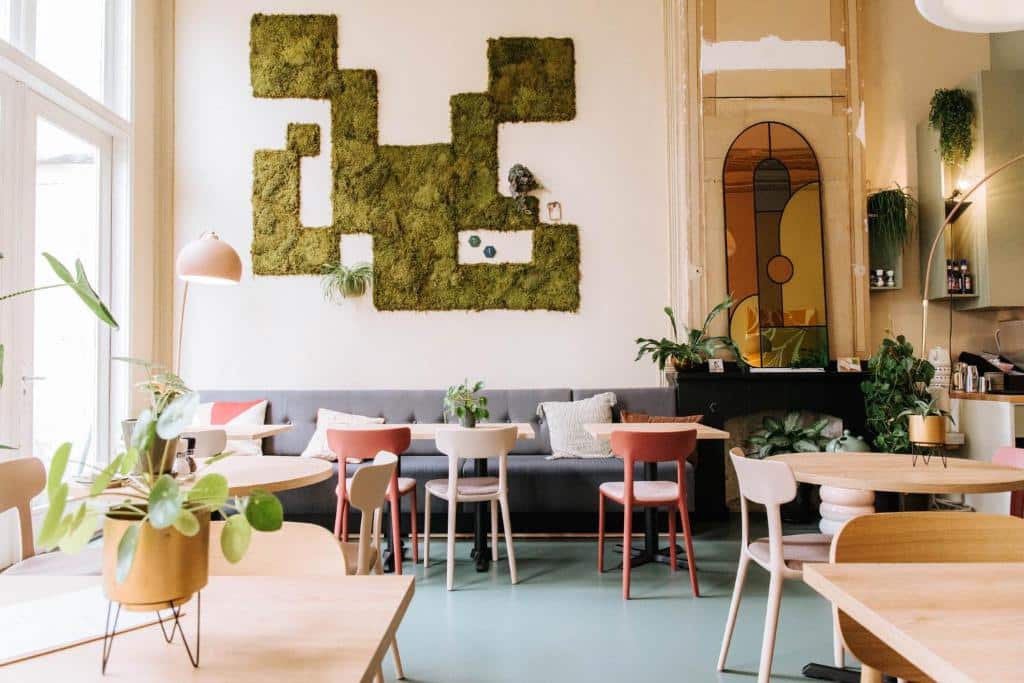
Stadshotel Steegoversloot is an intimate boutique hotel situated in a beautiful 17th century monument at the edge of Dordrecht’s historic centre. They have twelve uniquely styled rooms. The hotel combines contemporary comfort with preserved architectural charm, from stained-glass windows to original beams. They created a warm, colourful and personal ambiance. Guests consistently give it an outstanding 8.9 rating on Booking.com, praising its spotless rooms, tranquil yet central location, and the boutique atmosphere that feels both cozy and refined.
All Exclusive Apartments
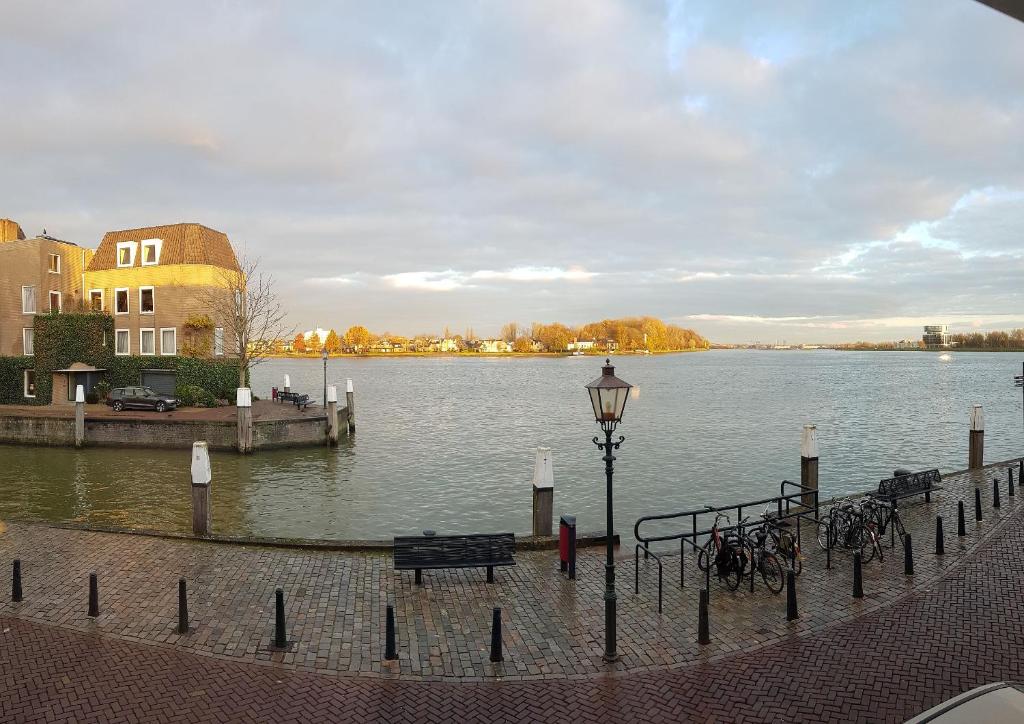
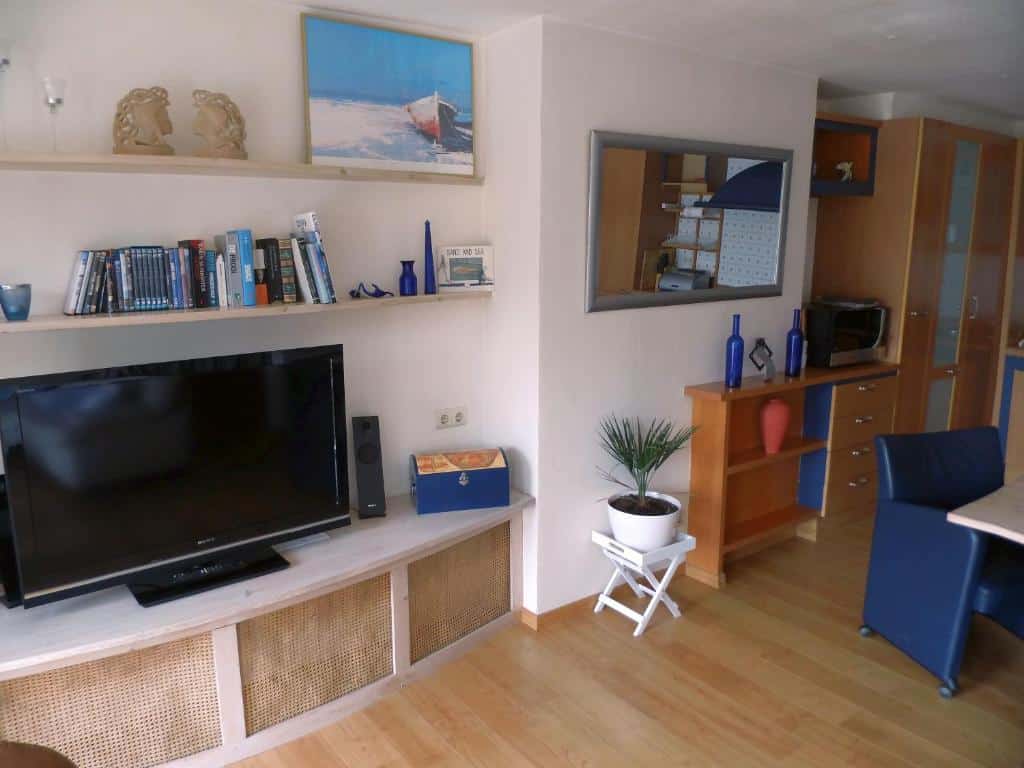
All Exclusive Apartments has two luxurious, fully furnished apartments in a historic canal house at Kuipershaven in the heart of Dordrecht. With an impressive rating on Booking.com guests rave about the spectacular waterfront views at the confluence of the three busiest rivers in the Netherlands and the tranquillity of a traffic-free setting. Visitors especially praise the hosts for their exceptional hospitality, offering complimentary pick-ups from the train station, thoughtful welcome snacks and drinks, and impeccable attention to detail.

Villa Augustus
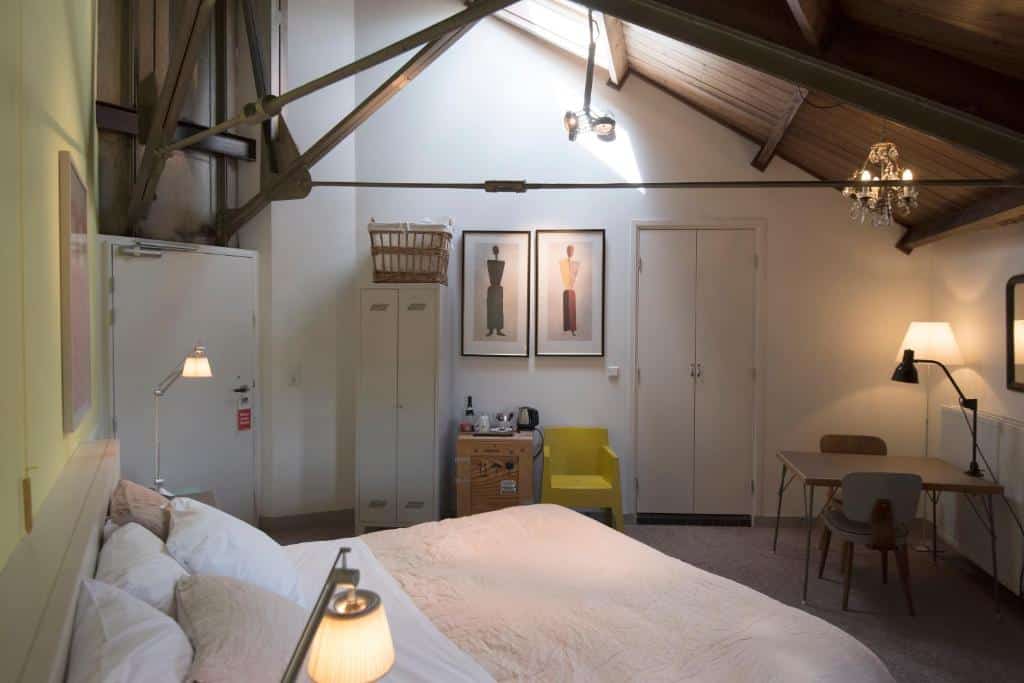
Villa Augustus is a boutique hotel housed in a former water tower and pump station built in 1881. The hotel is located just a 15-minute walk from Dordrecht’s historic centre. Set in expansive grounds they have an organic kitchen garden, orchard, and Italian-style pleasure gardens. The hotel combines industrial heritage with serene greenery. Guests can stay in uniquely designed rooms, including tower rooms, garden rooms, attic and floating rooms with carefully curated décor, extra-long beds, and views over either the gardens or the Wantij river.


How to get to Dordrecht
Dordrecht is easy to reach and makes for a perfect day trip. Especially from cities like Breda, Rotterdam, or even Amsterdam. Trains run regularly from major Dutch cities, with a direct connection from Breda taking just 25 to 30 minutes. Dordrecht Central Station is conveniently located within walking distance of the historic city centre and main attractions.
If you’re travelling by car, the city is easily accessible via the A16 and N3 highways, with several paid parking options near the old town. For a more scenic journey, especially in the warmer months, you can take the Waterbus from Rotterdam or Kinderdijk. This ferry ride gives beautiful views of the rivers and countryside, and you can even bring your bike for free. Whether by train, car, or boat, getting to Dordrecht is simple and enjoyable.


Best time to visit in Dordrecht
The best time to visit Dordrecht is between April and October, when the weather is mild and the city comes alive with outdoor activities, festivals, and events. In spring (April–May), the historic centre is especially charming with blooming gardens, and nearby nature reserves like De Biesbosch are green and ideal for boat tours and cycling.
Summer (June–August) comes with warm temperatures, perfect for exploring the harbours, canals, and outdoor terraces. It’s also when the city hosts popular events like Big Rivers Festival. Early autumn (September–October) is quieter but still pleasant, with colourful foliage and fewer tourists. It is a great time for museum visits and relaxed sightseeing. While winter is colder and quieter, it can be atmospheric, especially around the holiday season with cozy cafés and local charm.
Highlights in the Netherlands
Here’s a selection of highlights across the Netherlands that includes both well-known destinations and hidden gems like Texel, Maastricht, Etten-Leur, Breda, and Oosterhout.
Texel: nature and coastal escape
Texel is the largest of the Dutch Wadden Islands and is a paradise for nature lovers. With large sandy beaches, dunes, sheep-filled meadows, and the stunning De Slufter nature reserve, it has excellent opportunities for cycling, hiking, and seal watching. Don’t miss a visit to Ecomare, the marine life centre, and enjoy fresh seafood in the harbour town of Oudeschild.
Maastricht: culture and culinary delights
Maastricht is located in the southern province of Limburg and is is one of the oldest cities in the Netherlands. Its medieval streets, lively squares like Vrijthof, and the underground caves of the St. Pietersberg give a unique mix of history and adventure. Maastricht is also known for its Burgundian lifestyle. Expect excellent food, fine wine, and a cozy café culture.
Etten-Leur: small town with a big story
This charming Brabant town is best known as the place where Vincent van Gogh lived and started painting. You can follow in his footsteps at the Van Gogh Church and walking routes through the surrounding countryside. Etten-Leur also has a growing culinary and shopping scene, and its canals and green surroundings make for peaceful walks or bike rides.
Breda: vibrant, historic, and full of life
Breda is a lively city with a rich royal and military past. Highlights include the Grote Kerk (Great Church), the beautiful Begijnhof, and the historic harbour area. Breda is also known for its creative energy, with trendy bars, cultural festivals, and art spaces. It’s a great place to combine history with nightlife and good food.
Oosterhout: abbeys and forests
Oosterhout is located just north of Breda. It’s a peaceful town surrounded by forests and known for its monastic heritage. You’ll find tranquil abbeys like Sint-Catharinadal that are set in a vineyard that produces local wines. The Vrachelse Heide heathland and nearby woods are great for nature walks and cycling. Oosterhout has a more relaxing counterbalance to busier cities.

