

Split is a coastal jewel in Croatia. The city is located along the Adriatic Sea. Split attracts tourists with its stunning Roman architecture, lively waterfront, and Mediterranean charm. Wander through ancient streets, sip coffee on the lively Riva promenade, or soak up the sun on nearby beaches. Split has a great combination of culture, relaxation, and adventure that makes it an unforgettable destination.
This article is also featured on GPSmyCity. To download this article for offline reading or create a self-guided walking tour to visit the attractions highlighted in this article, go to Walking Tours and Articles in Split.

Table of Contents
History of Split
Split’s history is at the heart of its charm, with roots going back nearly two thousand years. The city expanded around the magnificent Diocletian’s Palace. This palace was built by the Roman emperor as a retirement residence in the 4th century. Today it is not just a historic monument but a living part of the city, with cozy streets, hidden courtyards, and local shops integrated into its ancient walls. Recognized as a UNESCO World Heritage site, Split’s historical centre is a fascinating journey through Roman, medieval, and modern influences.

Things to see and to in Split
Split is a must-visit destination for travellers who love culture, architecture, and Mediterranean charm. From the inspiring Roman ruins of Diocletian’s Palace to picturesque squares, historic churches, and scenic viewpoints. The city is packed with experiences that reveal its past and lively present.
Diocletian’s Palace
Diocletian’s Palace is the crown jewel of Split and a UNESCO World Heritage site. It was built by the Roman Emperor Diocletian in the early 4th century as his retirement residence. It is more than just a palace, it’s a living part of the city, with ancient streets and courtyards now home to shops, cafés, and residences. Visitors can explore the palace cellars, admire the large stone walls, and wander through narrow alleys that have preserved the Roman street plan. The palace tells a story of Roman engineering and imperial grandeur, making it the centrepiece of Split’s historical identity.

Cathedral of Saint Domnius
Originally built as Diocletian’s mausoleum, the Cathedral of Saint Domnius is one of the oldest cathedrals still in use today. Its impressive bell tower dominates Split’s skyline and comes with panoramic views of the Adriatic and the city’s red-tiled rooftops. Inside, visitors can admire a mix of Romanesque, Gothic, and Baroque details, reflecting centuries of architectural evolution. The cathedral is not only a religious site but also a testament to the city’s development from a Roman centre of power to a medieval Christian city.

Telegrin Peak
Telegrin Peak is also known as Vrh Telegrin. It is the highest point of Marjan Hill and about 178 meters above sea level. Here you have one of the most spectacular panoramic views in Split. From the top, you can see the entire city surrounded by the Adriatic Sea, the islands of Brač, Šolta, and Hvar in the distance. On clear days you can also see the dramatic backdrop of the Mosor and Kozjak mountains.
Reaching Telegrin is a popular activity. You can start the walk from the Varoš neighborhood or from the Marjan Forest Park entrance near the Meštrović Gallery. The hike is moderate, with well-marked trails and stone steps shaded by pine trees, making it enjoyable even on warm days. Along the way, you’ll pass viewpoints, small chapels, and benches perfect for short breaks.

Jupiter’s Temple
Jupiter’s Temple is located within Diocletian’s Palace and was originally dedicated to the Roman god Jupiter. Its impressive vaulted entrance and preserved stone details show the architectural skill of Roman builders. The temple has been converted into a small chapel, combining pagan and Christian history. Exploring this temple allows visitors to see how religious practices and architecture evolved over centuries in Split.


Vestibule of Diocletian’s Palace
The Vestibule is a grand circular hall that once served as the ceremonial entrance to Diocletian’s private apartments. It’s perfectly proportioned dome, detailed stone carvings, and open arches reflect the sophistication of Roman engineering. Walking through the Vestibule, you can imagine the emperor’s grand processions and the power that radiated from this architectural masterpiece. Today it is a central gathering point and a striking example of Roman design integrated into modern Split.
Golden Gate (Porta Aurea)
The Golden Gate is one of the four main entrances to Diocletian’s Palace. This was the emperor’s formal entrance from the outside world. Its massive stone archway, decorative carvings, and defensive features demonstrate the combination of Roman military engineering and architectural elegance. You can appreciate how the gate once protected the palace while serving as a ceremonial passage. It is reflecting the dual purpose of security and grandeur in Roman architecture.

Split City Walls
The ancient walls surrounding Split were originally constructed to protect Diocletian’s Palace and the growing settlement around it. These fortifications, with towers, gates, and walkways, will give you a glimpse into the city’s strategic and defensive history. Walking along the walls today, you can see remnants of Roman and medieval architecture, experience panoramic city views, and understand how Split’s urban layout changed to balance security with public life.
Kasjuni Beach
Kašjuni Beach is one of Split’s most beautiful and popular beaches, located on the southern side of Marjan Hill, just a short drive or bus ride from the city center. Sheltered by pine-covered cliffs and surrounded by crystal-clear turquoise water, Kašjuni is a peaceful escape from the busy streets of Split while still being close enough for an easy afternoon visit.
The beach is a long stretch of fine pebbles that gently slopes into the sea, making it ideal for swimming and snorkeling. The calm, clean water and scenic views of the Adriatic and Marjan’s green hills make it one of the most photogenic spots in the city. Facilities include sun loungers, parasols, showers, and a beach bar, where you can relax with a cocktail and music while enjoying the sea breeze.

Prokurative Square
Prokurative Square is a neo-Renaissance square inspired by Venetian architecture and built during the 19th century. Its grand arcades, symmetrical design, and open space contrast beautifully with Split’s Roman structures, reflecting the city’s architectural evolution. The square hosts concerts, cultural events, and social gatherings.
Narodni trg
Narodni trg, or People’s Square, is one of Split’s oldest public spaces, surrounded by medieval buildings. There is a 15th century clock tower, and historic cafés. It has been the heart of city life for centuries, where markets, celebrations, and daily gatherings took place. Walking through the square, visitors experience a mix of Roman, medieval, and Renaissance architecture. Here you can witness how Split’s urban and social life changed over time.

Things to do around Split
While Split itself is full of history, architecture, and coastal life, the surrounding region has equally unforgettable experiences. From charming medieval towns to stunning islands and natural wonders. You can go hiking through scenic trails on Hvar, wandering the ancient streets of Trogir, or admiring the waterfalls of Krka National Park. The area around Split is filled with adventures that combine culture, history, and nature.
Day Trip to Hvar Island
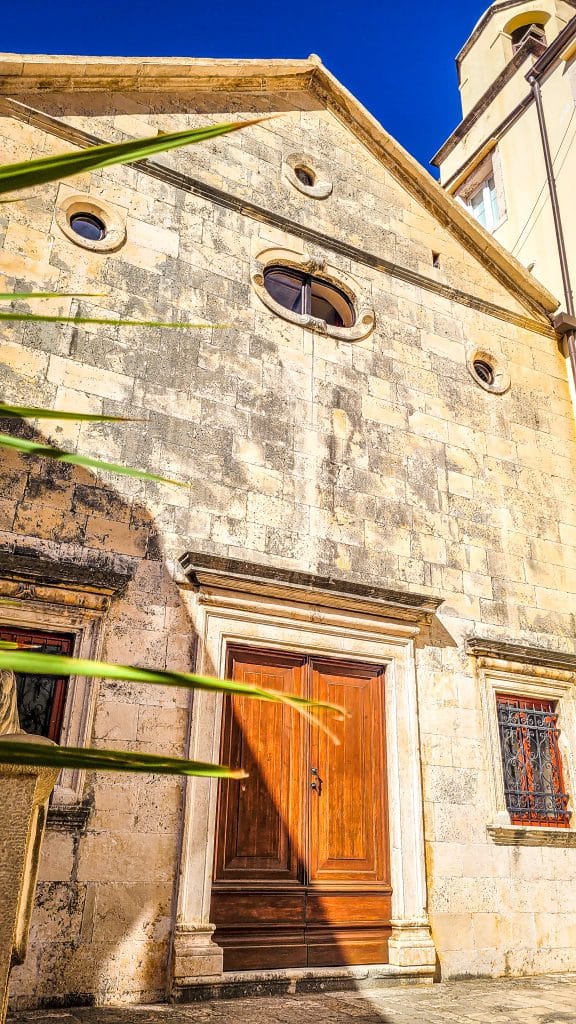
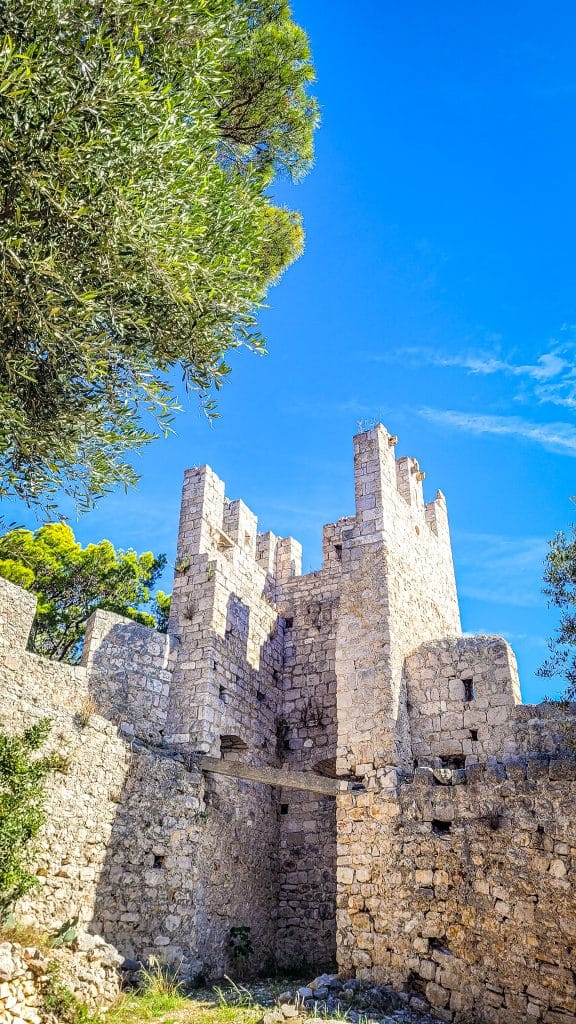
Hvar is one of Croatia’s most famous islands, known for its crystal-clear waters, lavender fields, and historic town. From Split, you can take a ferry to Hvar Town, where cobblestone streets, 16th century architecture, and the impressive Fortica Fortress can be explored. Visit the charming squares, enjoy fresh seafood along the waterfront, and take in the island’s lively yet relaxed atmosphere.





Hike from Hvar Town to Stari Grad
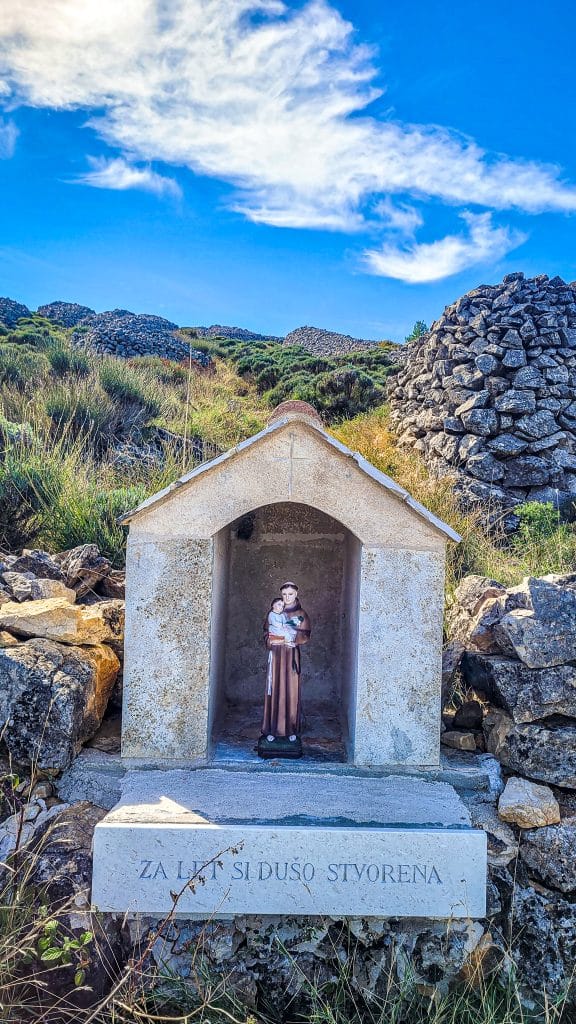
For active travellers, hiking from Hvar Town to Stari Grad is a unique way to see the island’s natural beauty. The trail passes vineyards, olive groves, and scenic coastal views. The hike combines adventure with history. Stari Grad is one of Europe’s oldest towns with ancient Roman architecture, charming squares, and a relaxed local vibe. This hike is ideal if you want to mix physical activity with cultural exploration.




Krka National Park
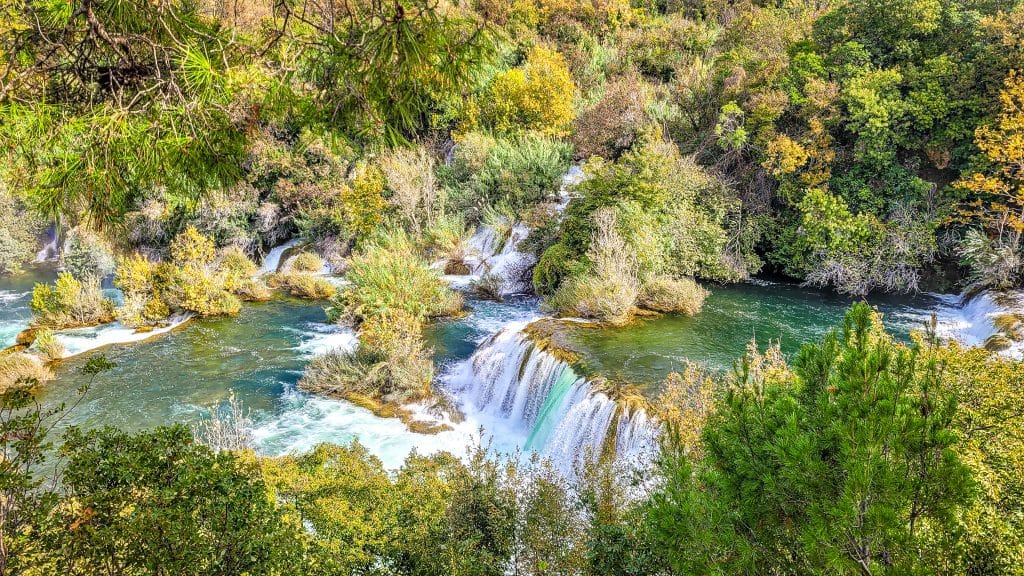
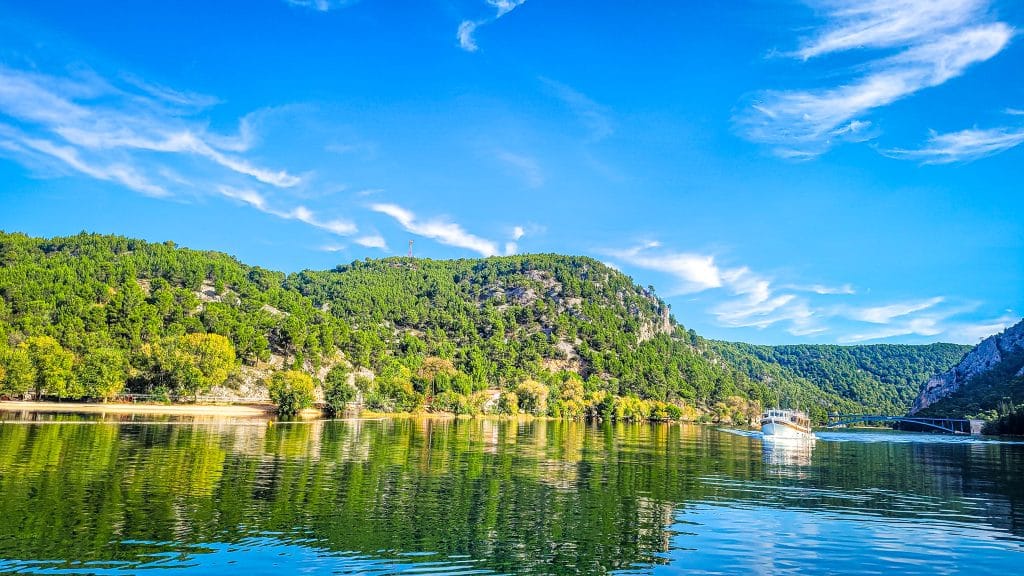
Krka National Park is located about 85 kilometres from Split. It is one of the most breathtaking natural attractions in Croatia. The national park is a paradise of waterfalls, emerald-green lakes, and Mediterranean vegetation. The park stretches along the Krka River, covering more than 100 square kilometres, and is renowned for its series of cascading waterfalls, historical sites, and walking trails surrounded by nature.
The most famous highlight of the park is Skradinski Buk, a magnificent multi-tiered waterfall with 17 cascades that plunge into a crystal-clear pool below. Visitors can explore the wooden boardwalks and scenic trails that go through the area with views of the river, old water mills, and native plant life. Roški Slap is another stunning waterfall further upstream and is known for its picturesque small cascades and peaceful surroundings. Nearby, the Visovac Monastery, located on a small island in the middle of the river, adds a touch of history and spirituality to the landscape. The monastery is accessible by boat from Skradin or Roški Slap.


Trogir
Trogir is a UNESCO World Heritage town located about 30 minutes from Split. It is a medieval gem with narrow streets, stone buildings, and a beautiful waterfront. Highlights include the Cathedral of St. Lawrence with its impressive Romanesque portal, Kamerlengo Fortress, and charming squares filled with cafés. Trogir’s mix of history and architecture makes it a perfect excursion for travellers interested in culture and picturesque old towns.
From Trogir, you can easily visit the nearby island of Čiovo, home to some of the area’s most beautiful beaches, including Okrug Gornji Beach and Stari Porat. I walked to both beaches, but you can also take a bus from Trogir for a quicker and more convenient trip.


Where to stay in Split
Split offers a wide range of accommodations that cater to every type of traveller, from luxury hotels and boutique heritage properties to modern apartments and cozy guesthouses. Many properties combine modern amenities with historic charm, and guests consistently praise locations that provide easy access to the city’s main attractions, restaurants, and beaches.
Jupiter Heritage Hotel
Situated right inside the ancient UNESCO‑listed Diocletian’s Palace, the Jupiter Heritage Hotel is a boutique stay where history meets comfort. Guests consistently praise its excellent location, rating it 9.5 out of 10 for being in the heart of Split’s Old Town. Inside, each room is stylishly furnished with air‑conditioning, free Wi‑Fi, satellite LCD television, minibar and safe.
The hotel has a rooftop terrace with a lounge bar and outdoor jacuzzi. They have an in‑house gourmet restaurant and sauna. Reviewers often highlight the friendly and helpful staff, with comments such as “very clean and comfortable” and “breakfast fit for a queen.”


Luxury Apartments Villa Mala Split
At Luxury Apartments Villa Mala Split, guests praise the mix of luxury and comfort, noting the amenities such as fully equipped modern kitchens with ovens, dishwashers, coffee machines and wine coolers. They have spacious balconies with outdoor lounge suites, air‑conditioning throughout and access to a garden with a small outdoor pool and barbecue. Many reviewers highlight the welcoming, attentive hosts and comment on the ultra‑clean apartments. With a guest rating around 9.7/10 for overall quality, Villa Mala clearly appeals to travellers looking for high standards, excellent location and a boutique feel in Split.


Central Square Heritage Hotel
Located in the heart of Split’s historic centre, the Central Square Heritage Hotel delivers both location and comfort. They are earning praise from guests for its spacious rooms, elegant bathrooms and helpful staff. Visitors consistently highlight the excellent amenities: each room features air‑conditioning, a flat‑screen TV, tea/coffee making facilities, a safe, and soundproof windows. The hotel is ideal for restful stays even in the buzzing old town. The hotel’s location score ranks exceptionally high, thanks to its direct access to the main square and proximity to the waterfront.


Hotel Ambasador
The Hotel Ambasador in Split impresses guests with its modern luxury, prime waterfront location on Trumbićeva Obala, and a suite of thoughtful amenities. Visitors frequently highlight the stylish rooms . Many rooms have sea views of the marina. They are equipped with coffee machines, minibars and digital conveniences, along with high‑speed WiFi throughout. Reviewers consistently rate the location extremely high for walking access to the Old Town and ferry terminal. The hotel’s spa and wellness centre, complete with a rooftop seasonal pool and bar overlooking the Adriatic, earns great comments for both design and relaxation. Guests also appreciate the friendly, attentive staff and the abundant breakfast selection that gets their day off to a strong start.


Suggested three day itinerary
Split is a city where ancient history, stunning architecture, and Mediterranean charm come together to create an unforgettable travel experience. From wandering through the Roman streets of Diocletian’s Palace to relaxing on sun-drenched beaches and exploring nearby islands. The city is a perfect mix of culture, adventure, and leisure. For travellers looking to make the most of their visit, this suggested itinerary gives you a carefully curated way to experience the best of Split and its surroundings, including historic towns, scenic landscapes, and the beautiful island of Hvar.
Day 1: Explore Split
Start your adventure in Split by immersing yourself in the city’s history. Begin at Diocletian’s Palace, the UNESCO World Heritage site at the heart of the city, where you can explore ancient cellars, the grand Peristyle Square, and the elegant Cathedral of Saint Domnius. Wander through the palace’s narrow stone streets, discovering charming shops, cafés, and hidden courtyards that reflect centuries of history. Afterward, stroll along the Riva promenade, a lively waterfront lined with palm trees and cafés, perfect for lunch while watching the world go by. In the afternoon, explore People’s Square (Pjaca) with its medieval architecture. Then climb Marjan Hill for panoramic views of the city and the Adriatic. End the day with a seaside dinner at one of Split’s many waterfront restaurants, trying fresh seafood and local Dalmatian specialties.

Day 2: Hvar Day Trip
Dedicate the second day to exploring the stunning island of Hvar, easily accessible by ferry from Split. Arrive in Hvar Town in the morning and begin by wandering the cobblestone streets of the old town, surrounded with historic buildings and charming cafés. Visit the Fortica Fortress that is located on a hill above the town. From here you have breathtaking panoramic views of Hvar’s harbour, nearby islands, and the deep blue Adriatic. Spend the afternoon exploring the harbour, browsing local boutiques, and enjoying lunch at a seaside restaurant. If time allows, relax on one of Hvar’s nearby beaches or take a short swim in the clear waters. In the evening, take the ferry back to Split and enjoy a quiet dinner along the promenade.

Day 3: Split Surroundings
On the third day, venture slightly beyond the city to explore the nearby historic town of Trogir. It is a 30-minute drive or bus ride from Split. Trogir is a UNESCO World Heritage site and a medieval gem with narrow streets, stone buildings, and notable landmarks such as the Cathedral of St. Lawrence and Kamerlengo Fortress. Wander through the squares and alleys, stopping for coffee at a local café while taking in the town’s historic charm. Return to Split in the afternoon and spend some leisurely time at Bacvice Beach. This beach is known for its sandy shore and the local game of picigin. End your day with a sunset stroll along the Riva promenade, enjoying the lively atmosphere and reflecting on your days in this historic Adriatic city.

Festivals and events in Split
Split is not just a city of history and stunning architecture. It’s also a cultural centre where traditions, music, and art come alive throughout the year. From lively summer festivals and international music events to film screenings, literary celebrations, and traditional folk events. There’s always something happening in the city. Attending these festivals is a fantastic way to experience Split’s dynamic energy, connect with local culture, and enjoy unforgettable performances set against the backdrop of the city’s ancient streets and historic landmarks.
Split Summer Festival (Splitsko ljeto)
This is the premier cultural event of Split, held every year roughly from mid‑July to mid‑August. Split Summer Festival is a month‑long festival where you can experience opera, ballet, drama, concerts, and visual arts set in atmospheric venues. Many of them are outdoors within the ancient walls of the city (for example inside Diocletian’s Palace). It’s a brilliant way to take in Split’s historic architecture and cultural pulse. Imagine a classic concert framed by Roman‑era walls. If your visit coincides with the festival, definitely check the schedule to catch performances that align with your interests.
Ultra Europe
For a very different vibe, Ultra Europe brings international electronic dance music to Split each July. With major DJs performing and multiple venues (including island extensions to Brač and Hvar), this is big, loud, and full of energy. Especially if you’re travelling with a younger crowd or are into music festival culture. Be aware that things like accommodation and transport may be more crowded and expensive during the event.
Split Film Festival
Held in the autumn months, this festival focuses on new, experimental, and independent film and video works. For travellers interested in film, culture, and art, the Split Film Festival is a chance to dive into the local and international creative scene in a more relaxed, off‑peak part of the year.
Mediterranean Book Festival (Mediteranski festival knjige)
Published since 2017, this event celebrates literature, publishing and books in Split. It’s a quieter cultural gem compared to the large music festivals, ideal if you’re interested in reading, discussion panels, author talks, and finding unique literary souvenirs.
Local Traditional & Folk Events
Split also hosts several more local, traditional celebrations that give a window into the region’s cultural heritage. For example, the “Days of Diocletian” (Dan Grada Dioklecijana) celebrate the city’s Roman past with processions, historical reenactments and performances in August. Local neighbourhood festivals and folk‑dance events also pop up, such as the International Festival of Music & Folk Dance in September.
How to get to Split
Air
Split in Croatia is easily accessible from both domestic and international destinations. It is a convenient starting point for exploring the Dalmatian coast. Travellers arriving by air can fly into Split Airport, located about 25 kilometres from the city centre. From the airport you can take shuttle buses, taxis, and private transfers that will take you to the centre in around 30 to 40 minutes. The airport is well-connected to major European cities, particularly during the tourist season, with direct flights from London, Paris, Berlin, and Amsterdam.
Train & bus
If you are travelling by land, Split is reachable by train and bus. Croatian Railways operates regular services connecting Split to other major cities such as Zagreb and Rijeka. The train station is conveniently located within walking distance of Diocletian’s Palace. Buses provide a flexible and reliable option, linking Split not only to Croatian towns like Dubrovnik, Zadar, and Rijeka but also to neighbouring countries. Including Slovenia and Bosnia and Herzegovina.
Car
Driving to Split is also an attractive option, especially if you want to explore the surrounding area at your own pace. The city is connected to the Croatian highway network, and while parking in the historic centre can be limited, nearby lots and accommodations usually offer convenient options.
Ferry
Split’s status as a major Adriatic port makes it easily accessible by sea. Regular ferries and catamarans connect the city to nearby islands such as Hvar, Brač, Vis, and Korčula, while overnight ferries from Italian ports like Ancona and Bari provide a scenic route from Western Europe.

Best time to visit
The best time to visit Split depends on the experience you’re looking for, but generally, the period from late spring to early autumn is the most pleasant weather. May to June is ideal for travellers who want warm, sunny days without the peak summer crowds. During this time, you can enjoy exploring historic sites like Diocletian’s Palace, wandering through cobblestone streets, and strolling along the Riva promenade comfortably. July and August are the busiest months, with hot weather and lively crowds, especially around the beaches and ferry ports. But they also bring the city’s famous summer festivals and vibrant nightlife.
For those who prefer a quieter, more relaxed experience, September to early October offers warm sea temperatures perfect for swimming, fewer tourists, and stunning sunsets over the Adriatic. Winters in Split are mild compared to other European cities, making November to March a peaceful time to visit if you want to explore the city’s historic sites without crowds. Around this time some attractions and ferries to the islands may operate on a reduced schedule.

