

Iglesias is a hidden gem that mixes history, culture, and natural beauty. The town is known for its medieval churches, historic mining sites, and charming old town. From exploring the Cammino Minerario di Santa Barbara hiking trail to relaxing on nearby beaches like Masua and Cala Domestica. There’s something for every type of traveller. In this article, I’ll take you through Iglesias’ must-see monuments, traditional Sardinia cuisine, festivals, and practical travel tips. This way you can plan the perfect visit to one of Sardinia’s most authentic destinations.
This article is also featured on GPSmyCity. To download this article for offline reading or create a self-guided walking tour to visit the attractions highlighted in this article, go to Walking Tours and Articles in Iglesias.

Table of Contents
A brief history of Iglesias
Iglesias is located in the southwest of Sardinia. It is a town rooted in history and culture. Its name, which means “churches” in Spanish, reflects the strong influence of Catalan and Pisan rule during the Middle Ages. Once one of Sardinia’s most important mining centres, Iglesias thrived on the extraction of silver, lead, and zinc. The medieval old town still preserves traces of this mining past. From fortified walls and Gothic churches to elegant piazzas that recall centuries of prosperity. Visitors can explore Iglesias’ fascinating mining heritage alongside its historic landmarks.


Monumental highlights in Iglesias
Walking through Iglesias feels like stepping back in time, and the town’s monuments are the perfect reminder of its medieval past. A historical landmark is the Cathedral of Santa Chiara. The cathedral was built in the 13th century. The architecture combines Gothic and Catalan-Aragonese styles and remains the heart of the old town. I was impressed by the Church of San Francesco, with its graceful cloister and peaceful atmosphere. The Church of Santa Maria di Valverde is located just outside the city walls and give you an insight into Sardinia’s early religious architecture. The medieval walls and towers of Iglesias are silent guardians of history. They once protected the town from invaders. Exploring these sites gave me the sense that every corner of Iglesias tells a story of faith, resilience, and cultural fusion.
Day trips, beaches, and mining sites around Iglesias
One of the best things about Iglesias is its location. The town is surrounded by breathtaking coastlines and fascinating industrial archaeology. Just a short drive from town you will find Porto Flavia. This is an extraordinary mining site carved into the cliffs above the sea. This engineering marvel was once used to load minerals directly onto ships. From here and at Masua beach you have a great view of the Pan di Zucchero sea stack. It is one of Sardinia’s most iconic natural landmarks. Not far away, the abandoned Monteponi Mines and the Mining Museum of Iglesias let visitors step into the island’s industrial past.
For nature and relaxation, the coastline around Iglesias is a paradise. The Costa Verde and the beaches of Masua and Buggerru are perfect for swimming, snorkelling, or simply enjoying Sardinia’s sun. I especially loved the wild beauty of Cala Domestica, a sheltered cove surrounded by cliffs. Inland, you can also take a day trip into the forest areas around Montevecchio, Arbus and Fluminimaggiore. It is ideal for hiking and exploring waterfall and hidden caves like San Giovanni Cave. Whether you’re chasing history, adventure, or beach time, Iglesias makes the perfect base for exploring southwest Sardinia.

Cammino Minerario di Santa Barbara
Iglesias is also the official starting point of the Cammino Minerario di Santa Barbara. This Cammino is a long-distance hiking trail that stretches for more than 500 kilometres through Sardinia’s historic mining region. The route connects ancient villages, abandoned mines, forests, and spectacular coastlines. This is a adventurous way to experience the island’s cultural and natural heritage. At the time of writing this article, I am actually walking the trail myself, beginning here in Iglesias and making my way through the rough landscapes of the Sulcis-Iglesiente region. Setting off from this town gives the journey a special significance. It was once the beating heart of Sardinia’s mining industry and now it is the gateway to one of the island’s most unforgettable trekking adventures.
Official website: Cammino Minerario di Santa Barbara

Where to stay in Iglesias
Iglesias has a range of accommodations to suit every traveller, from charming Agri-turismos and cozy B&Bs to comfortable hotels in the town centre. Below you will find peaceful countryside retreats or a base close to historic sites and local restaurants. There are plenty of options to make your stay in southwest Sardinia both convenient and memorable.
Agriturismo Sa Rocca
Agriturismo Sa Rocca is located in the hills just a few kilometres from the beaches of Masua and Cala Domestica. It is a charming farmhouse with a peaceful escape in southwest Sardinia. The property has comfortable rooms with private bathrooms, air conditioning, and balconies overlooking the countryside. Guests love the traditional Sardinian meals served at the on-site restaurant, including fresh local ingredients and generous multi-course dinners. Surrounded by rolling hills and grazing sheep, Sa Rocca is an ideal base for exploring Iglesias, its historic sites, nearby beaches, and hiking trails.


La Scala del Sale
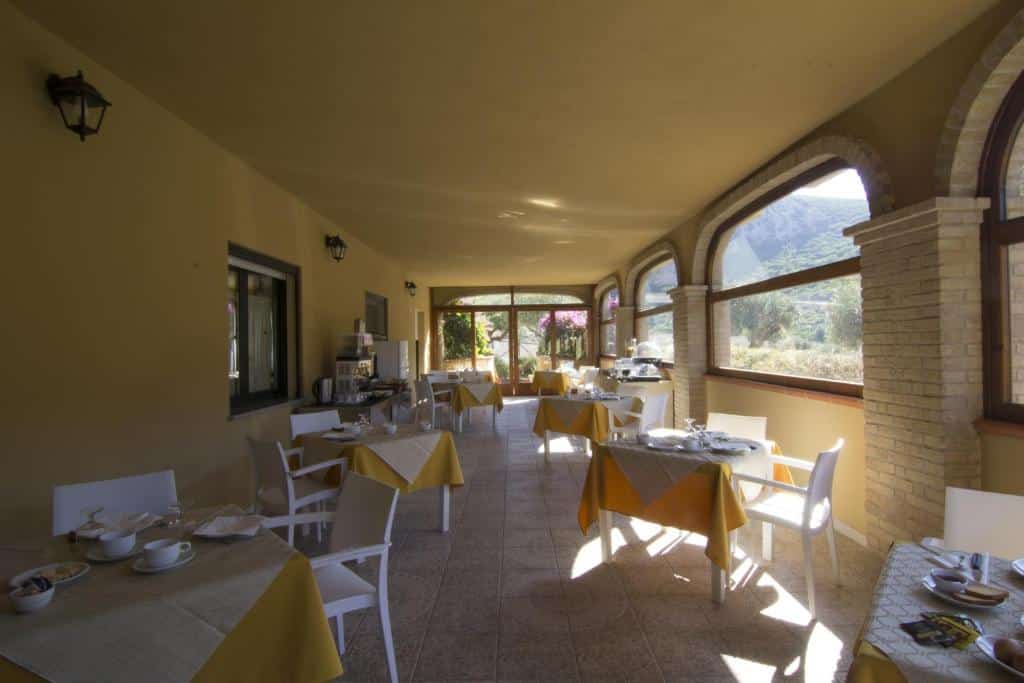
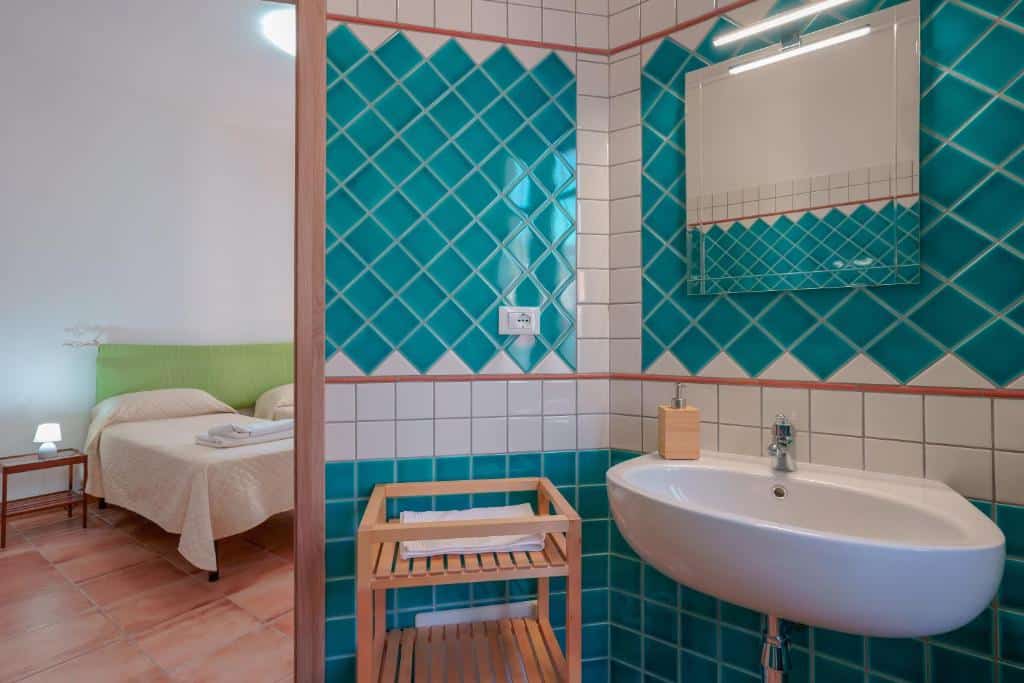
La Scala del Sale is situated in the centre of Iglesias. They provide a comfortable and welcoming stay just steps away from the town’s historic centre. The guesthouse has air-conditioned rooms equipped with flat-screen TVs, Wi-Fi, and private bathrooms with bidets. Guests can enjoy a complimentary continental breakfast daily, and the property provides bicycle rental services for those wishing to explore the area. With its excellent location and attentive service, La Scala del Sale is an ideal choice for travellers looking for a cozy place to stay.
Euro Hotel Iglesias
Euro Hotel Iglesias is located just a 5-minute walk from the historic centre. This hotel provide guests with a mix of classic charm and modern amenities. The hotel has spacious, air-conditioned rooms with balconies, flat-screen TVs, and private bathrooms. Guests appreciate the free covered parking, Wi-Fi, and the hotel’s proximity to local attractions. While the hotel doesn’t have an on-site restaurant, it provides convenient access to nearby dining options.


I colori di Iglesias
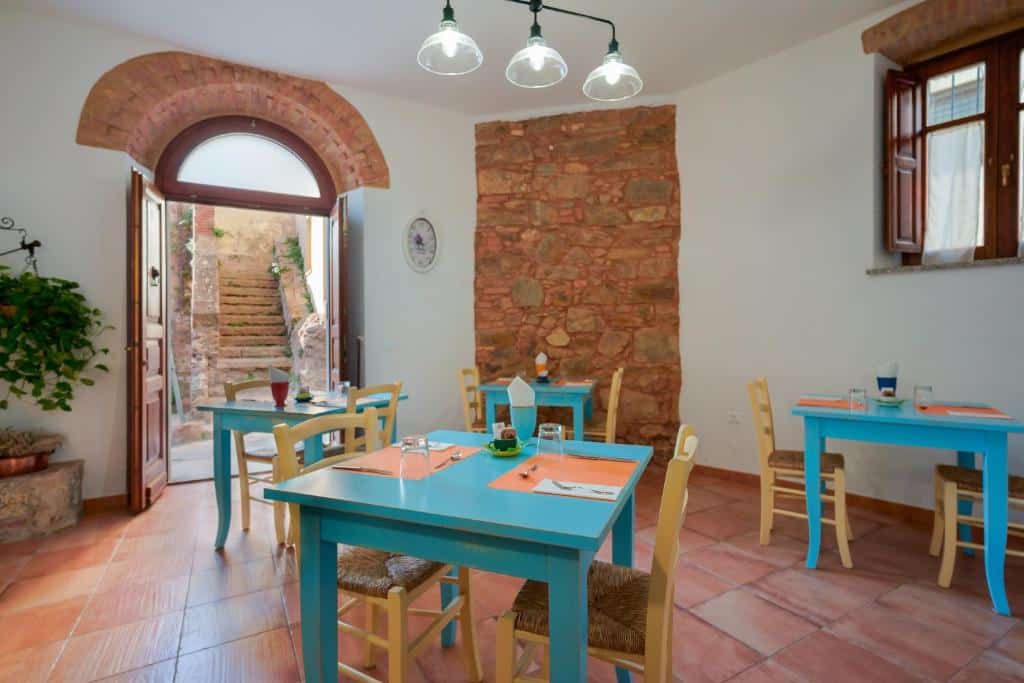
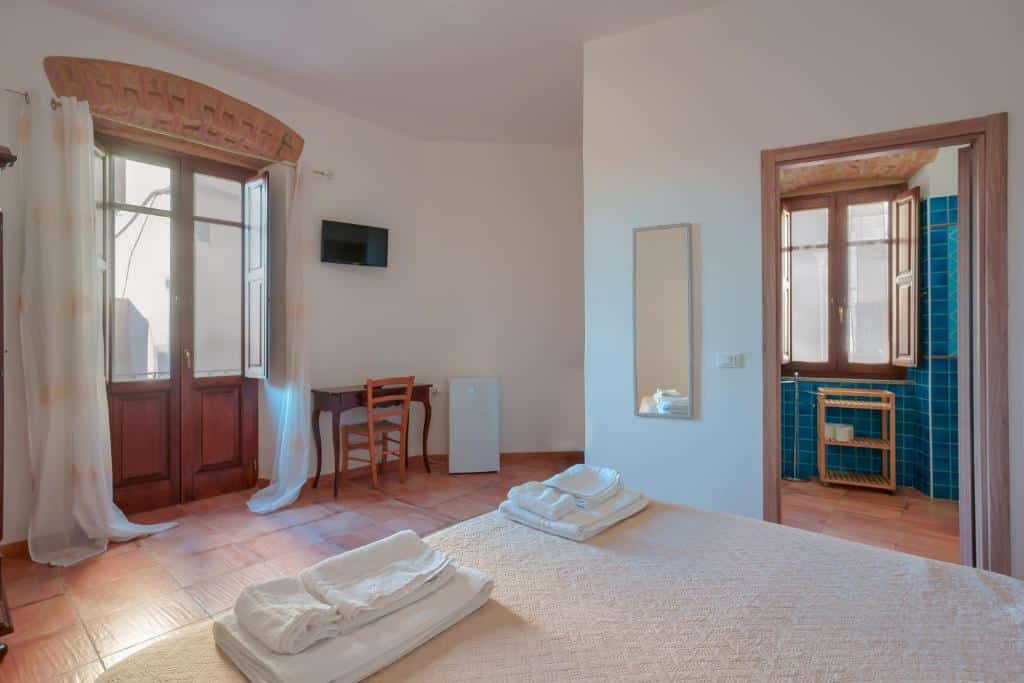
Located just steps from Piazza Sella in the historic centre, I Colori di Iglesias gives guests a welcoming and intimate atmosphere. Guests appreciate the bright, tastefully decorated rooms, each with modern amenities like air conditioning, Wi-Fi, and private bathrooms. The attentive host, Adele, is often praised for her warm hospitality and thoughtful touches. With its central location, guests have easy access to nearby attractions, restaurants, and shops, making it an ideal base for exploring the town and surrounding areas.


Traditional Sardinian food
No visit to Iglesias is complete without tasting the flavours of traditional Sardinian cuisine. The region is known for hearty pasta dishes like malloreddus (often called “Sardinian gnocchi”) that is served with a tomato and sausage ragù. Fregola is a small pasta pearls typically paired with clams or other fresh seafood. I loved trying culurgiones, handmade pasta pockets filled with potato, pecorino cheese, and mint. Being close to the coast, Iglesias also has excellent fish and seafood options. From grilled mullet to bottarga (cured fish roe). To finish a meal, don’t miss the sweet pardulas. It is ricotta-filled pastry flavoured with lemon or saffron, often enjoyed during Easter but delicious all year round. Meals are almost always accompanied by pane carasau, the thin, crispy flatbread that is a true Sardinian staple. It is best paired with a glass of Cannonau wine, one of the island’s most famous red wines.
Festivals in Iglesias
Iglesias is not only known for its history and culture but also comes alive throughout the year with several festivals and traditions. The most famous event is the Settimana Santa di Iglesias (Holy Week). It is one of Sardinia’s oldest and most authentic Easter celebrations. Dating back to Spanish rule, the processions are organized by ancient brotherhoods (confraternite), with participants dressed in traditional robes carrying statues through the streets by torchlight. Another highlight is the Medieval Festival of Iglesias. This festival is usually held in August. The town changes into a scene from the Middle Ages with parades, costumes, jousts, markets, and music that celebrate its Pisan heritage. During summer, you’ll also find smaller local festivals (sagre) dedicated to food, wine, and music. This is a perfect way for tasting Sardinian specialties and enjoying the warm community spirit.

Best time to visit
The best time to visit Iglesias depends on what kind of experience you’re looking for. If you want to enjoy the nearby beaches, the warmest months are June to September. The temperatures are high and the sea is perfect for swimming. July and August are the busiest, but they also bring lively events like the Medieval Festival. For hiking the Cammino Minerario di Santa Barbara or exploring the mining sites, spring (April–May) and autumn (September–October) are ideal, with pleasant weather, fewer crowds, and beautiful landscapes in bloom or fall colours. Winter (November–March) is much quieter, and while some coastal activities slow down, it’s a great time to explore Iglesias’ historic centre and enjoy local festivals such as the Holy Week processions. Personally, I find early autumn gives the perfect balance, because of the sunny days, great hiking conditions, and a more authentic, relaxed atmosphere in town.

How to get to Iglesias
Reaching Iglesias is still very doable, but travellers should note that there are no direct trains to Iglesias until the end of 2026, and possibly longer. The closest airport is Cagliari Elmas Airport (CAG), about 50 kilometres away. From there, renting a car is the easiest and most flexible way to explore Iglesias and the surrounding areas, including Porto Flavia, Masua, and the Costa Verde. Driving takes roughly an hour and allows you to make the most of your visit at your own pace.
If you prefer public transport, you’ll need to take a train or bus to Decimomannu, followed by a bus transfer to Iglesias. While slightly less convenient, this route still connects you to the town’s historic centre, which is compact and walkable. Keep in mind that for day trips to beaches, mining sites, or hiking trails, having a car is highly recommended. During high season there are buses to the most popular sights and beaches. But they only run every 2 or 3 hours. Sometimes even less. Check bus times in advance so you can keep an eye on the time. Best way to check bus times and book tickets online is by downloading the app: Around Sardinia.

Highlights in Italy
Italy has many monumental cities that are worth a visit. Trento is a city of Renaissance charm and Alpine heritage. The city has many monumental highlights to visit such as the cathedral and the Castello del Buonconsiglio. Verona is famous for the setting of Shakespeare’s Romeo and Juliet and beautiful medieval streets.
The city of Venice is world famous for its canals, magnificent palaces, and the iconic Piazza San Marco. But Venice has more to offer. The nearby lagoons of Venice are perfect to visit on a day trip. Bologna is known as the food capital of Italy. The city comes with medieval towers, beautiful arcades, and historical landmarks like the Basilica di San Petronio.
Also Padova is well worth a visit with its stunning medieval squares and Scrovegni Chapel. If you are travelling towards Slovenia, don’t forget to visit Trieste. This beautiful city is located at the Adriatic Sea and combines history, architecture and culture with a maritime feel. Other destinations to keep in mind are Florence, Udine and Torino. Or visit the maritime city of Genova. Are you spending a few days in Milan and would like to spend a day outdoors? Visit the beautiful Lake Como and go for a refreshing swim in the lake. Or visit the historic centre of Bergamo.
I recently published a new guide on hiking from Santa Margherita Ligure to Portofino! Discover insider tips for navigating this stunning coastal trail, enjoy breathtaking sea views, and make the most of your hike along one of Italy’s most scenic routes.
Reading tip: Beginners travel guide to Italy

