Beginners travel guide to India
India is one of the most fascinating and diverse countries I have ever visited. From its sparkling culture and history to breathtaking landscapes and lively cities. India will give you an unforgettable travel experience. Whether you’re exploring ancient temples, colourful markets, or serene countryside. There is always something new to discover. In this beginner’s guide to India, I’ll help you navigate the essentials so you can enjoy your trip with confidence and ease.
Top destinations for beginners
Golden Triangle: Delhi, Agra, and Jaipur
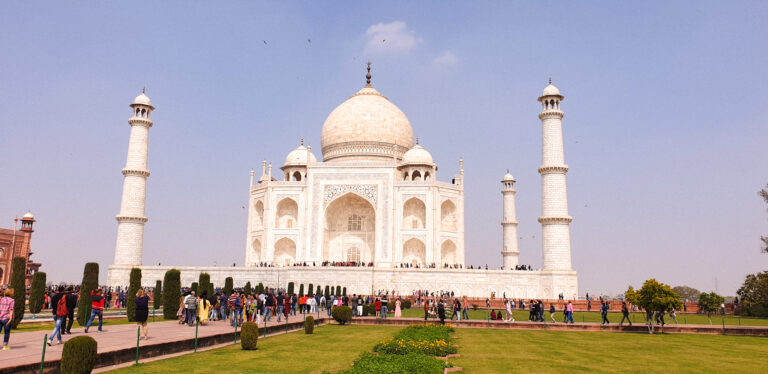
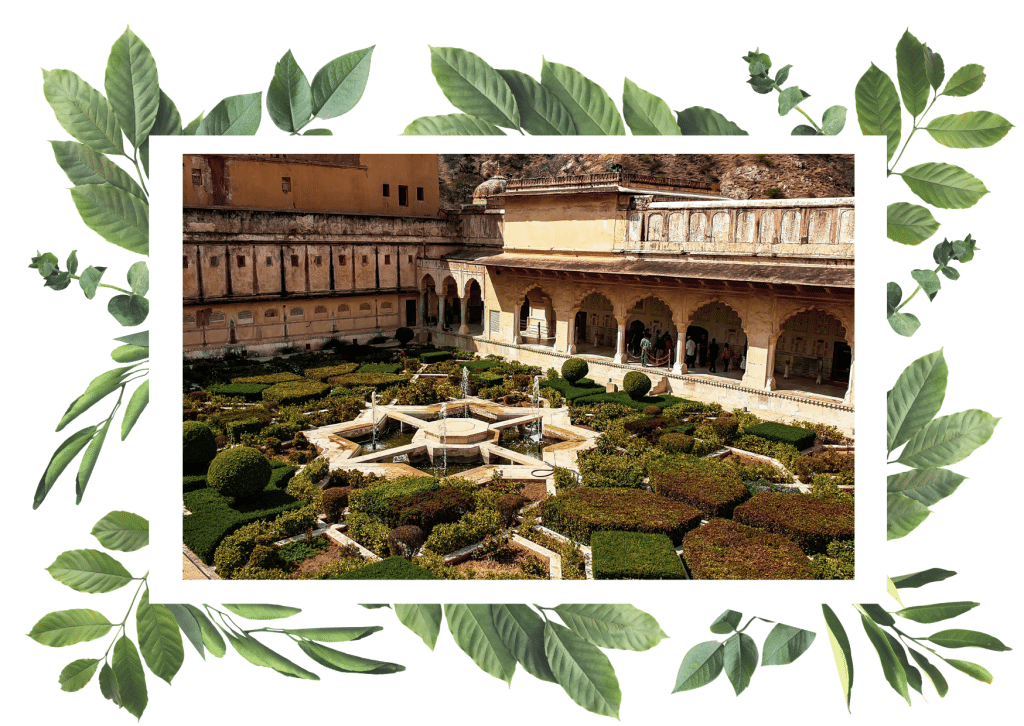
For first-time travellers, the Golden Triangle is a classic starting point. Delhi has a great mix of history and modern life with landmarks like the Red Fort and India Gate. Agra is home to the world-famous Taj Mahal. Jaipur is known for the lively markets and forts showing the royal heritage of Rajasthan. This route is well-connected and easy to navigate, making it perfect for beginners.
Spiritual retreat: Rishikesh
Known as the “Yoga Capital of the World,” Rishikesh is ideal for travellers looking for peace and spiritual growth. This town is located along the Ganges River and has many yoga classes, meditation centers, and beautiful nature walks. It’s a welcoming place to experience India’s spiritual side without overwhelming crowds.
Cultural gems: Madurai and Hampi
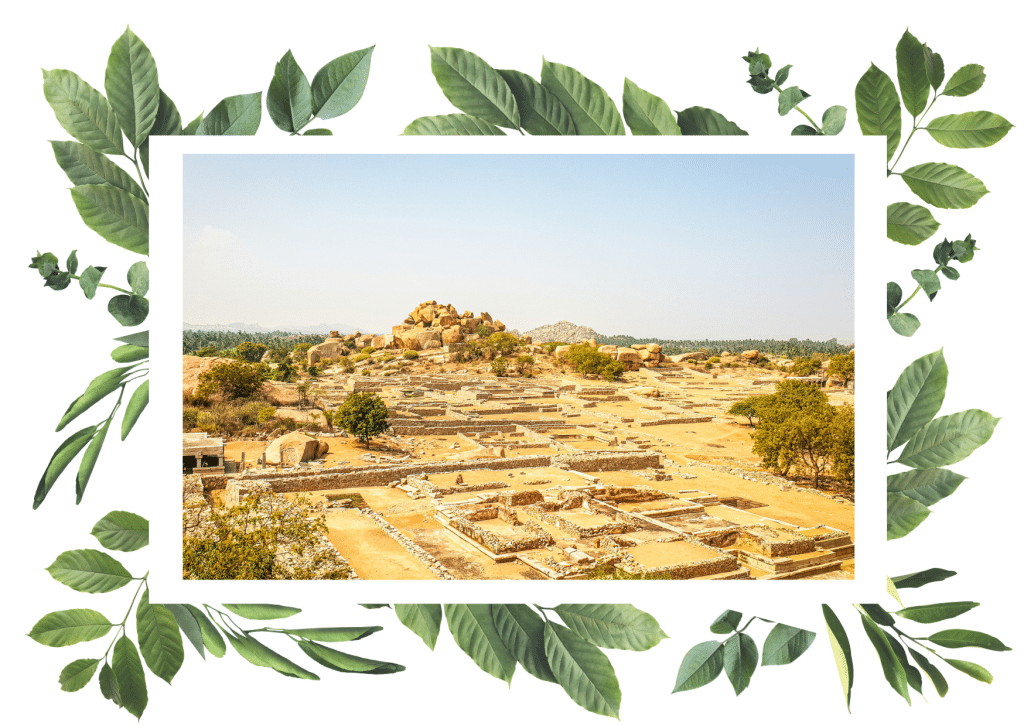
Madurai is located in Tamil Nadu. The city is famous for its stunning Meenakshi Temple and rich South Indian culture. It’s a great spot to explore traditional temple architecture and festivals. Hampi is a UNESCO World Heritage site with remarkable ruins set in a surreal boulder landscape. This place is perfect for history lovers and photographers.
Alternative living: Auroville
Auroville near Pondicherry is a unique community focused on sustainable living and cultural harmony. It’s a peaceful place to experience alternative lifestyles, organic farming, and creative workshops. Visitors can explore the Matrimandir and enjoy the community’s welcoming atmosphere.
Sacred Varanasi
Varanasi is one of the oldest cities in the world. Visiting this rough unique city is an intense cultural and spiritual experience. Watching the sunrise over the Ganges and witnessing ancient rituals at the ghats is unforgettable. While it can be busy and chaotic, Varanasi is deeply rewarding for those open to its unique energy.
Major Indian Cities
Delhi: the capital city
Delhi is a metropolis where history meets modern life. As India’s capital, it’s home to iconic landmarks like the Red Fort, Qutub Minar, and India Gate. The city’s diverse neighbourhoods, from the historic lanes of Old Delhi to the upscale areas of New Delhi, offer a range of cultural experiences, delicious street food, and markets.
Mumbai: the city of dreams
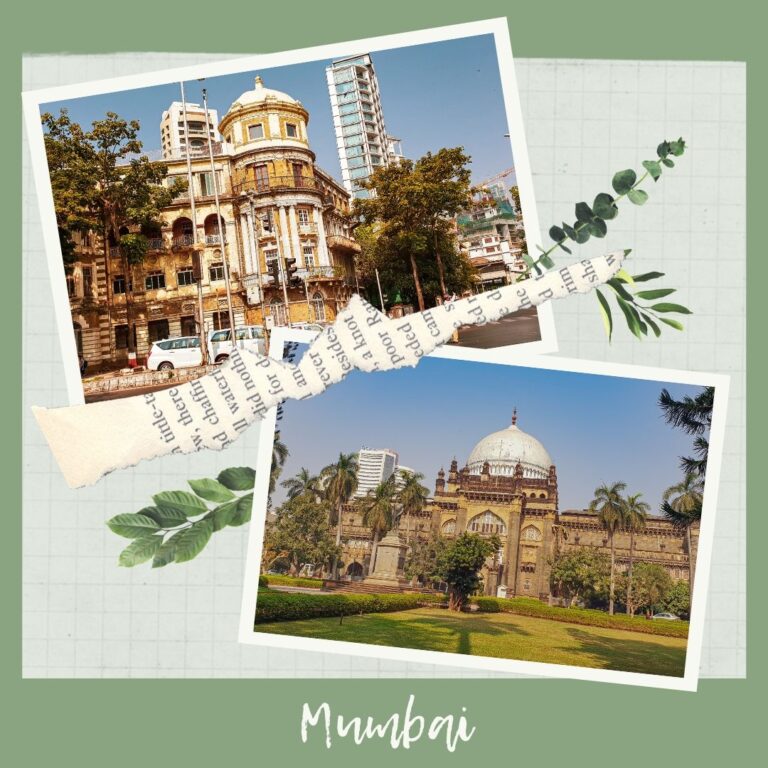
Mumbai is India’s largest city. It is known as the financial and entertainment capital. Mumbai is famous for Bollywood, colonial architecture like the Gateway of India, and the bustling Marine Drive promenade. Mumbai’s fast-paced lifestyle combines luxury and street culture. There is everything from high-end restaurants to crowded street markets and the Dharavi slum, one of Asia’s largest.
Bengaluru (Bangalore): the Silicon Valley of India
Bengaluru is India’s tech capital and known for its pleasant climate and thriving IT industry. The city mixes modernity with green surroundings. The city has parks like Cubbon Park and Lalbagh Botanical Garden. Bengaluru’s modern café culture, nightlife, and shopping make it a favourite among young professionals and expats.
Chennai: gateway to South India
Chennai is often seen as more of a layover or short-stop city rather than a primary destination for travellers. While it’s a major port city with a growing IT sector, its beaches like Marina Beach aren’t as scenic compared to other coastal spots in India. Chennai’s rich South Indian cuisine is a real highlight for food lovers looking to explore authentic flavors during their brief stay.
Kolkata (Calcutta): the cultural capital
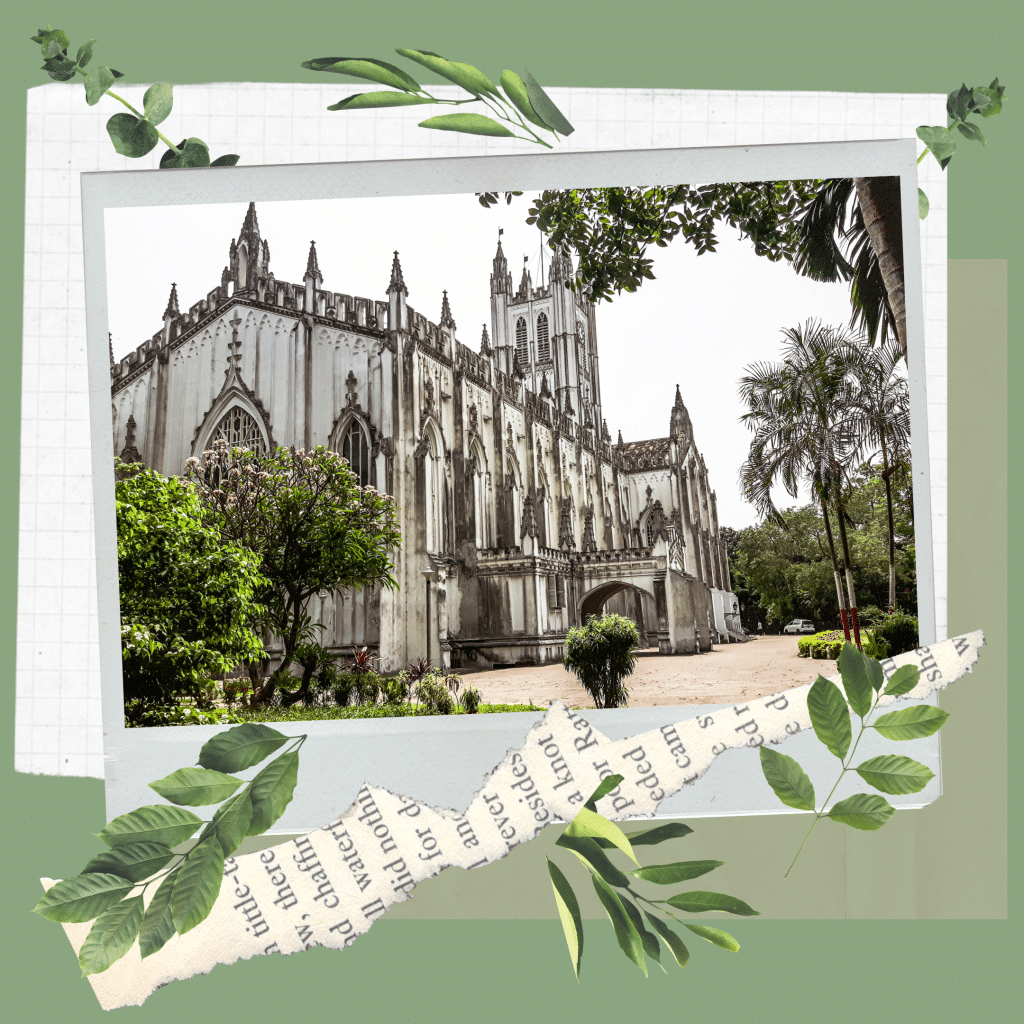
Kolkata, formerly Calcutta, is known for its colonial architecture, intellectual heritage, and arts scene. The city is famous for landmarks such as Victoria Memorial and Howrah Bridge. Kolkata’s festivals, especially Durga Puja. This last festival attracts visitors from all over the world. The city’s warm hospitality and literary history make it a unique cultural experience.
Public Transport
Flights in India
When travelling long distances across India, domestic flights are often the fastest and most convenient option. Major cities like Delhi, Mumbai, Bangalore, and Chennai are well connected by several budget airlines, making it easy to hop between regions. Booking flights in advance can help you find the best deals, especially during peak travel seasons.
Train travel
India’s extensive railway network is a unique way to explore the country while experiencing local life. Trains range from basic sleeper coaches to luxury options, so you can choose according to your comfort and budget. I always recommend booking train tickets through trusted platforms like 12go or IRCTC. These are an easy and secure way to check schedules and reserve seats online without the hassle.
Reading tip: How to book train tickets in India as foreigner.
Bus transportation
Buses are a budget-friendly way to get around, especially in areas not served by trains or flights. Both government-run and private buses operate throughout the country. There are a variety of classes from basic to deluxe coaches. For convenience, I use 12go to book bus tickets in advance, which helps avoid the stress of last-minute arrangements.
Local Transport
In cities and towns, local transport options include auto-rickshaws, cycle-rickshaws, taxis, and app-based ride services like Ola and Uber. For short trips, auto-rickshaws are fun and affordable, but always negotiate the fare upfront or insist on using the meter. Ride-hailing apps are a safer and more transparent choice, especially if you’re new to India or travelling alone.
Language & communication
India is a multilingual country with hundreds of languages spoken. English is widely used, especially in cities and tourist areas, which makes communication easier for travellers. From my experience, learning a few basic Hindi phrases like “Namaste” (hello), “Shukriya” (thank you), and “Kitna?” (how much?) can go a long way in everyday interactions and helps create a friendly connection with locals. In southern India, languages like Tamil, Telugu, and Kannada are common. Being patient and polite when language barriers arise is important. Many signs and menus are in English, but having a translation app on your phone can be very helpful when exploring less touristy areas.
Packing essentials
From my experience, lightweight and breathable clothing are essential. Cotton fabrics help with the heat and humidity. It’s important to pack modest clothes that cover your shoulders and knees. Particularly when visiting temples and rural areas. A good pair of comfortable walking shoes is a must, as you’ll likely explore many sites on foot. Don’t forget essentials like sunscreen, a hat, insect repellent, and a reusable water bottle. Depending on the season and region, layering with a light jacket or shawl can be helpful. Even more in the cooler months or hill stations.
Sustainable travel
Travelling responsibly in India means being mindful of your impact on the environment and local communities. From my experience, choosing eco-friendly accommodations, supporting local businesses, and minimizing plastic use can make a difference. When visiting natural sites, stick to marked trails and avoid disturbing wildlife. Respect cultural traditions and always ask permission before photographing people. By practicing sustainable travel habits, you not only help preserve India’s beauty but also contribute to a more meaningful and respectful travel experience.

Practical info
Currency: Indian Rupees (₹)
ATM: Some small towns have one of two ATM’s that accept foreign cards. If you plan to travel too smaller places make sure to bring enough cash with you before you go.
Languages: Mostly Hindu and English
Religion: predominantly Hinduism
Capital city: New Delhi
Visa: Before travelling to India, it’s important to understand the visa and entry requirements to avoid any surprises at the airport. When I planned my second trip, I found the e-tourist visa process to be straightforward and convenient. You can apply online and receive your visa electronically, which saves time compared to traditional methods. Make sure your passport is valid for at least six months and that you have a return ticket ready, as these are sometimes checked upon arrival. Checking the latest visa rules ahead of time helped me feel prepared and stress-free before my journey to India. Read the article about Indian Visa to find out more.
Local SIM card: For international visitors, I highly recommend obtaining a SIM card from either Airtel or Vodafone. These providers offer excellent roaming connections in urban areas. If you plan on traveling for more than two weeks, it’s convenient to have an Indian SIM card. Having a local number is essential for booking Uber or Ola taxis, as well as bus and train tickets. Remember to bring a passport-approved photo when applying for a SIM card.
eSIM: Consider Airalo as a viable option for purchasing an eSIM. It’s crucial to ensure that your phone supports eSIM usage before investing in a plan.
Country code: + 91
Time: India Standard Time is GMT/UTC 5½ hours
Official Tourism Website: Incredible India is the International Tourism Board of India. An initiative of the Indian Government to promote tourism in India.
Practical info: Are you planning a trip to India and you need some practical info? Read the ultimate planning guide when you are going for a long term journey or download the packing list. I share tips about setting up a travel budget. Or find out the best travel apps to use.
Sustainable travel: I have written a few articles about sustainable travel. I give tips about how to make your trip more sustainable and how to fly more sustainable. I believe even the smallest effort can help. Read about my stay in an eco-friendly bungalow in Varkala.
Festivals
Republic Day: The Republic Day of India is held on January 26th. There is the Military parade in Delhi to celebrate the founding of the Republic of India.
Holi: The Holi festival is held in February or March. Hindus celebrate the beginning of spring by throwing coloured powder at anyone who walks by.
Diwali: In October or November Hindus celebrate Diwali, the festival of lights. They lead Lord Rama home after returning from his exile. People decorate their houses and shops with lights. It’s feels like Christmas for westerners. Diwali is celebrated for five to eight days, depending on region or community. Families and friends give each other gifts, there is firework every night and they keep going until they run out of firework.
Reading tip: The most fascinating festivals and celebrations in India
Cultural tips and etiquette
India’s culture is diverse and deeply rooted in tradition, so respecting local customs and etiquette can make your trip much smoother. From my experience, dressing modestly is important, especially when visiting religious places. Covering shoulders and knees shows respect. It’s also customary to remove your shoes before entering temples or some homes. A simple “Namaste” with folded hands is a polite way to greet people. Public displays of affection are generally not accepted in many areas, so it’s best to be discreet. Being aware of these cultural norms helped me connect better with locals and avoid misunderstandings during my journey.
Reading tip: Travelling to India for the first time: practical tips, packing guide & cultural insights
Indian food & drinks
North Indian food
North Indian cuisine is known for its hearty and flavourful dishes. Popular are breads like naan, roti, and paratha served alongside tasty gravies. Popular dishes include butter chicken, dal makhani (creamy lentils), and paneer tikka (grilled cheese). The use of dairy products like ghee, yogurt, and cream is common. This adds a smooth texture to many recipes. Cities like Delhi and Amritsar are famous for their street food, such as chaat and stuffed parathas. They have a wide range of tastes from spicy to mildly sweet.
South Indian food
South Indian cuisine focuses more on rice, lentils, and coconut. This creates a lighter and often tangy flavours. South Indian food includes dosa (thin, crispy crepes made from fermented rice and lentil batter), idli (steamed rice cakes), and sambar (a tangy lentil stew). Coconut chutney and a variety of spicy pickles often accompany meals. South Indian food tends to be less oily and uses mustard seeds, curry leaves, and tamarind to create distinct flavours. Cities like Chennai, Hyderabad, and Bengaluru have some of the best authentic South Indian dishes.
Best time to visit India
India’s diverse climate means the best time to visit depends a lot on which regions you want to explore. From my experience, the northern parts like Delhi, Agra, and Rajasthan are best visited between October and March when the weather is cooler and perfect for sightseeing. If you’re attracted to the Himalayas or hill stations such as Shimla and Manali, the summer months from April to June are ideal to escape the heat.
For the southern states like Kerala and Goa, the winter months (November to February) have the most pleasant temperatures and sunny beaches. If you love green landscapes and don’t mind some rain, visiting during the monsoon season (June to September) is perfect for places like the Western Ghats and the tea plantations in Munnar. Planning your trip around these seasonal highlights will help you enjoy India’s incredible variety to the fullest.
Health & safety
Staying healthy and safe during your trip to India is essential for an enjoyable experience. When I travelled there, I made sure to get recommended vaccinations like hepatitis A and typhoid. Drinking only bottled or purified water and avoiding ice in drinks helped prevent stomach issues. It’s also wise to carry basic medicines for common ailments such as upset stomach, headaches, and allergies. In crowded places, keeping your belongings secure and being aware of your surroundings can reduce the risk of theft. By taking these precautions, you can focus on enjoying all that India has to offer with peace of mind.
Money & budget
Managing your money wisely can make your trip to India much smoother. From my experience, it’s best to carry a mix of cash and cards. ATMs are widely available in cities, but smaller towns may rely more on cash. The Indian Rupee (INR) is the official currency, and it’s helpful to familiarize yourself with latest exchange rates before you arrive. Tipping is customary in restaurants, taxis, and for guides, usually around 10%. India offers travel options for all budgets, from affordable street food and guesthouses to luxury hotels and fine dining. Planning your expenses ahead can help you get the most out of your trip.
Technology & connectivity
Staying connected while travelling in India is easier than you might think. When I travelled there, I found buying a local SIM card at the airport or in the city to be the most affordable way to access mobile data and make calls. Major providers like Airtel and Jio offer good coverage in most urban and many rural areas. You can also choose an E-sim such as Airalo. Free Wi-Fi is available in hotels, cafes, and airports, but it can be unreliable, so having mobile data is handy. Useful apps like Google Maps, translation tools, and ride-hailing services such as Ola and Uber can make navigating and communicating much smoother during your trip.