

Lisbon is a city of lively neighbourhoods, historic landmarks, and breathtaking views over the Tagus River. From cobbled streets in Alfama to the grand squares of Baixa and the romantic palaces of Belém. The city has a perfect mix of history, culture, and modern charm. Whether you’re wandering past colourful tiled façades, trying iconic pastéis de nata, or catching the sunset from one of Lisbon’s many viewpoints. This travel guide will help you discover what to see, do, and know before you go.

Table of Contents
A brief history of Lisbon
Lisbon is one of Europe’s oldest capitals, with a history shaped by conquest, trade, and the sea. Long before the rise of Rome, the area was settled by pre-Celtic tribes. This was followed by the Phoenicians, who used Lisbon’s natural harbour as a key trading post around 1200 BCE. The city’s strategic position on the Tagus River made it a gateway between the Atlantic and the Mediterranean.
Roman rule
Under Roman rule, Lisbon is then known as Olisipo. It became an important provincial city, known for its roads, theatres, and fish-sauce trade. After the fall of the Roman Empire, the city passed through the hands of various Germanic kingdoms before being conquered by the Moors in the 8th century. For over four centuries, Islamic rule left a lasting imprint on Lisbon’s urban layout, language, and architecture.
First King of Portugal
In 1147, Lisbon was reconquered by Christian forces led by Afonso Henriques, Portugal’s first king. It soon became the capital of the Kingdom of Portugal and, in the 15th and 16th centuries, the heart of a global maritime empire. During the Age of Discoveries, Lisbon grew wealthy and cosmopolitan as explorers such as Vasco da Gama. He brought back spices, gold, and knowledge from Africa, Asia, and the Americas.
Golden Age
This golden age was shattered in 1755 when a catastrophic earthquake, followed by a tsunami and fires, destroyed much of the city. The reconstruction, led by the Marquis of Pombal. He introduced modern urban planning and earthquake-resistant architecture. This reshaped downtown Lisbon into the orderly Baixa district seen today.
Today
In the centuries that followed, Lisbon experienced political disruption, dictatorship, and revolution. The most notably was the peaceful Carnation Revolution of 1974, which ended decades of authoritarian rule. Today, Lisbon is a city where layers of history coexist: ancient ruins, Moorish alleys, imperial monuments, and contemporary life. It reflects a past deeply intertwined with exploration, resilience, and cultural exchange.

Monumental highlights of Lison
Lisbon is a city where history and culture come alive at every corner, from ancient castles to grand squares and striking monuments. Its skyline tells the story of centuries of exploration, conquest, and creativity. Exploring its monumental highlights offers a fascinating journey through time, architecture, and breathtaking views. Each landmark reveals a unique chapter of Lisbon’s long and layered history.
Belém Tower (Torre de Belém)
Belém Tower is built in the early 16th century as part of the city’s defence system along the Tagus River. It is a UNESCO World Heritage Site and a masterpiece of Manueline architecture. The tower served both as a fortress and a ceremonial gateway for explorers departing during the Age of Discoveries. Its riverside location makes it perfect for stunning views and photography, especially at sunset.

Jerónimos Monastery (Mosteiro dos Jerónimos)
Located near Belém Tower is the Jerónimos Monastery. It is a monumental example of Manueline style, reflecting Portugal’s wealth during the Age of Discoveries. Completed in the 16th century, it houses the tombs of explorers such as Vasco da Gama. The cloisters, detailed facades, and sculpted stone arches demonstrate the country’s artistic ambition at its maritime peak. It remains an active monastery while welcoming visitors to explore its historical and architectural grandeur.
São Jorge Castle (Castelo de São Jorge)
São Jorge Castle is located on a hilltop overlooking Lisbon’s historic centre. From here you have panoramic views of the city and the Tagus River. Originally built by the Moors in the 11th century, it was later expanded by Portuguese kings. The castle complex includes defensive walls, towers, and gardens. Its vantage point provides a full perspective of Lisbon’s unique topography of hills and colourful rooftops.
Lisbon Cathedral (Sé de Lisboa)
Lisbon Cathedral is the city’s oldest church, dating back to the 12th century. Its Romanesque architecture, with later Gothic and Baroque additions, reflects centuries of Lisbon’s changing history. The cathedral survived earthquakes and reconstructions and remains a spiritual and cultural landmark. Inside, visitors can admire beautiful chapels, medieval cloisters, and relics. Outside, its imposing facade and bell towers dominate the Alfama district skyline.
Praça do Comércio
Praça do Comércio, or Commerce Square, is one of Lisbon’s grandest public spaces. It was rebuilt after the 1755 earthquake and served historically as the city’s main trading hub. The square is surrounded with elegant arcades, government buildings, and the iconic Arco da Rua Augusta. This is a triumphal arch celebrating Lisbon’s rebirth. Today, it is a lively area for walking, dining, and cultural events.
Santa Justa Lift (Elevador de Santa Justa)
The Santa Justa Lift is a iron structure connecting the lower streets of Baixa to the elevated Carmo Square. Designed by Raoul Mesnier du Ponsard, a student of Gustave Eiffel, it opened in 1902 as a functional and aesthetic industrial design. Visitors can ride the lift for practical access or climb to the top for amazing city views.
Carmo Convent (Convento do Carmo)
Carmo Convent is a haunting Gothic ruin in Lisbon’s Chiado district. It was partially destroyed in the 1755 earthquake. Its roofless nave is now used as a reminder of the earthquake’s devastation while housing an archaeological museum. The arches, chapels, and remains of the cloisters provide insight into Lisbon’s religious architecture and history. The site’s dramatic atmosphere makes it one of the city’s most photographed and evocative landmarks.


Padrão dos Descobrimentos
The Monument to the Discoveries (Padrão dos Descobrimentos) celebrates Portugal’s maritime explorers and their role in the Age of Discoveries. Shaped like a ship prow, it features sculptures of explorers, navigators, and monarchs, including Prince Henry the Navigator. Visitors can climb to the top for panoramic views of the Belém waterfront, the river, and the surrounding monuments. It is a combination of sculpture, history, and scenic beauty.
National Pantheon (Panteão Nacional)
The National Pantheon is housed in the Church of Santa Engrácia. It is a baroque masterpiece where Portugal honours its distinguished citizens, including presidents, writers, and artists. Its large dome dominates the Alfama skyline. The interior is decorated with marble, gilding, and tombs.
Vasco da Gama Bridge
The Vasco da Gama Bridge is the longest bridge in Europe, spanning over 17 kilometres across the Tagus River. Opened in 1998, it is a modern engineering spectacle that connects Lisbon to the southern regions of Portugal. While not historical like the other landmarks, it symbolizes Lisbon’s contemporary growth and international connectivity. The bridge is especially impressive at sunrise or sunset, when it reflects on the river and frames the city skyline.
Daytrips from Lisbon
Lisbon’s location makes it the perfect base for exploring the surrounding region, with stunning beaches, historic towns, and cultural gems just a short drive or train ride away. Whether you’re drawn to fairy-tale palaces, scenic coastline, or charming villages. These day trips are a refreshing escape from the city and a deeper taste of Portugal’s diverse landscapes and history.
Sintra
Just 30 minutes by train from Lisbon is Sintra, a UNESCO World Heritage site Sintra isfamous for its romantic 19th century palaces, gardens, and mystical hills. Highlights include the colourful Pena Palace, the Moorish Castle, and the elegant Quinta da Regaleira with its hidden tunnels and enchanting gardens. Sintra’s picturesque streets and local pastries, like the famous travesseiros, make it a perfect day of history, culture, and indulgence.


Cascais
This former fishing village turned chic coastal town is located about 40 minutes west of Lisbon. Cascais is known for its sandy beaches, marina, and lively town centre full of shops and cafés. Visitors can stroll along the scenic seaside promenade to Boca do Inferno, a dramatic cliff formation. Or go and explore the nearby coastal park of Sintra-Cascais for hiking and nature.
Óbidos
About an hour north of Lisbon, Óbidos is a medieval walled town that feels frozen in time. Cobblestone streets, whitewashed houses with colourful trims, and the imposing Óbidos Castle make it a photographer’s paradise. The town is also famous for its cherry liqueur, Ginja de Óbidos, often served in small chocolate cups. It is a delicious local treat during your walk through history.
Évora
A two-hour drive from Lisbon is Évora, also a UNESCO World Heritage city. The town is known for its Roman temple, medieval streets, and well-preserved aqueducts. Highlights include the Chapel of Bones, Évora Cathedral, and the picturesque Praça do Giraldo. The city gives you a glimpse into Portugal’s Roman and medieval past, surrounded by the peaceful Alentejo plains and vineyards.
Where to stay in Lisbon
Lisbon has a wide range of accommodations to suit every traveller’s needs. From boutique hotels in historic neighbourhoods to modern luxury properties and cozy guesthouses. Choosing the right place to stay can improve your experience in Lisbon. Whether you want to be steps from iconic sights, enjoy riverside views, or immerse yourself in the city’s culture.
Corpo Santo Lisbon Historical Hotel
Corpo Santo Lisbon Historical Hotel is widely loved by guests for its combination of exceptional service, central location, and luxurious comfort in the heart of Lisbon. Reviewers on Booking.com consistently praise the hotel’s attentive, multilingual staff who go above and beyond to make stays memorable. From personalised recommendations to complimentary city walking tours and thoughtful touches like snacks and drinks in the lobby. The property has a very high overall score (around 9.6/10), with standout ratings for cleanliness, comfort, and location.
Guests highlight the spacious, spotless rooms with comfortable beds, the excellent continental breakfast, and the relaxing spa and wellness facilities after a day of sightseeing. Many return visitors note that the hotel feels both luxurious and welcoming. The accommodation comes with a boutique atmosphere that mixes historic charm and modern amenities.


Lisboa Pessoa Hotel
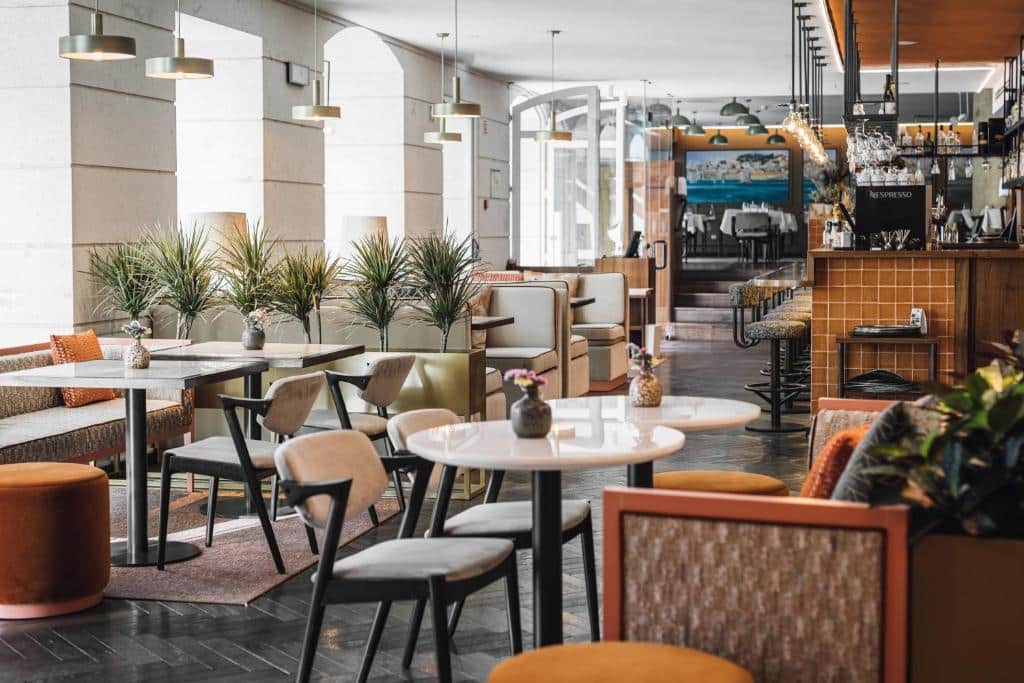
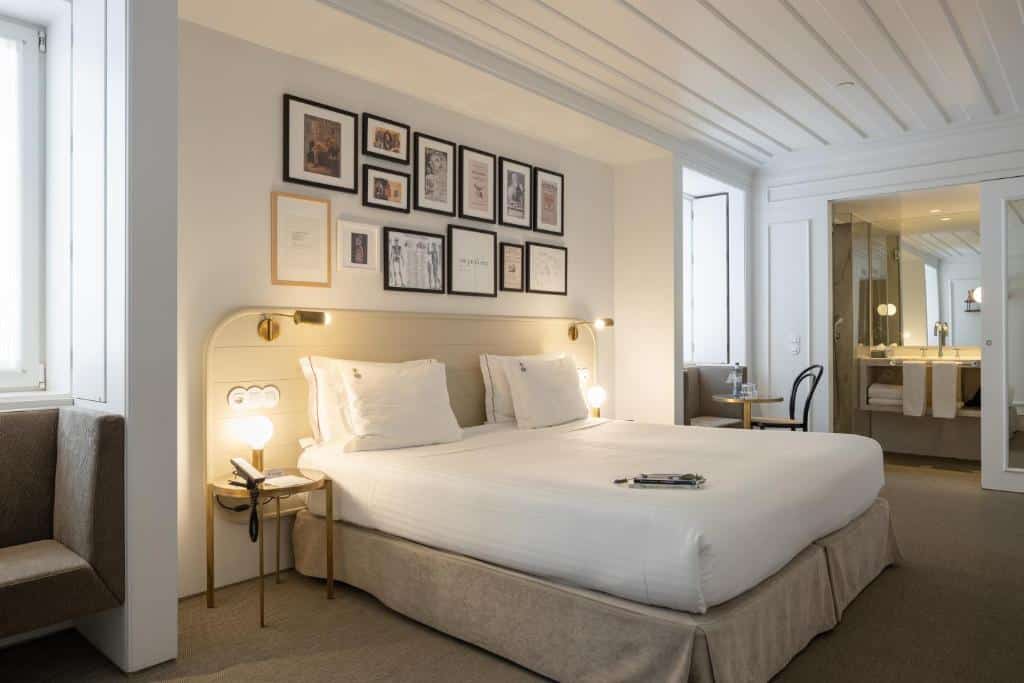
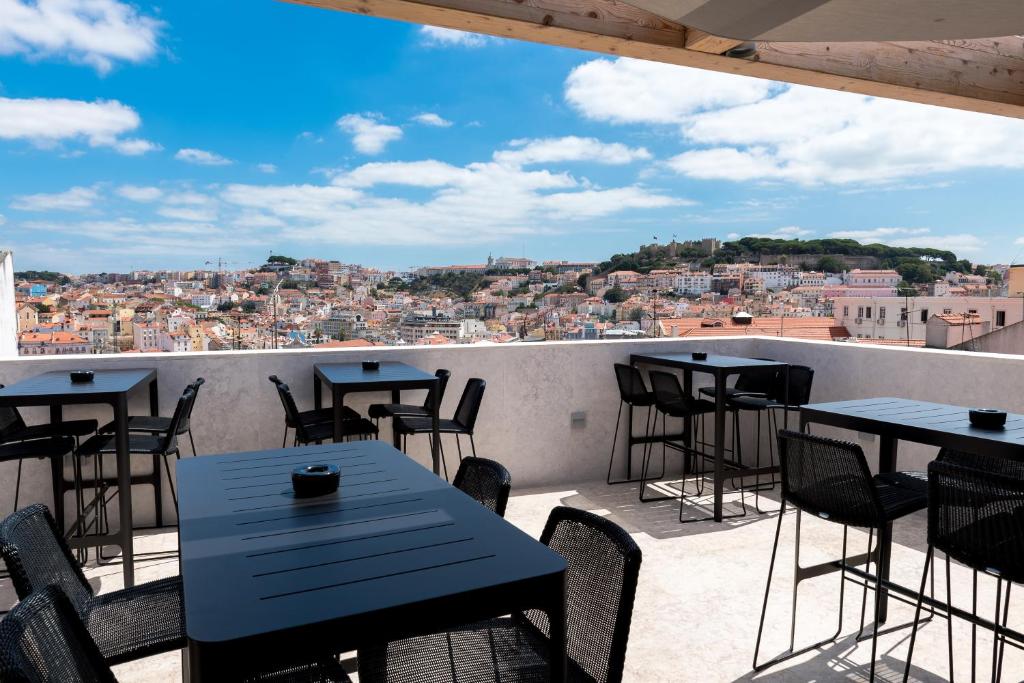
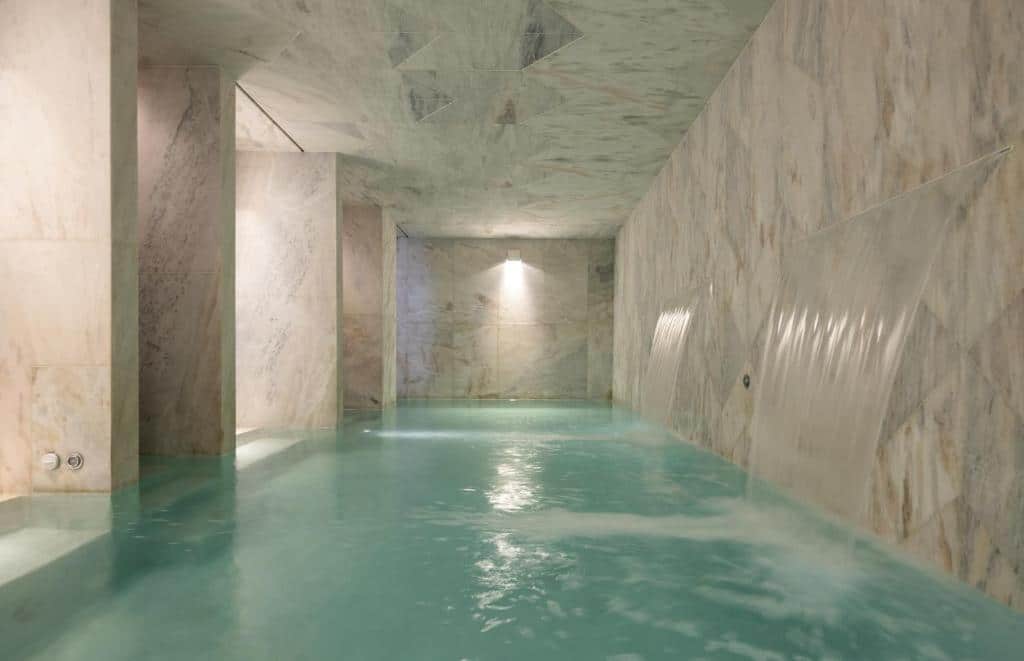
Travellers consistently highlight Lisboa Pessoa Hotel prime position just steps from Chiado and major attractions. From the hotel you can walk to historic streets, cafés, and public transport. Guests praise the friendly, attentive staff who improve the stay with warm service and helpful local tips. Many reviews describe the spotless, comfortable rooms with stylish interiors and details like a complimentary minibar, along with the hotel’s well‑rated breakfast buffet and rooftop areas with scenic city views. The indoor spa and wellness facilities, including a pool, sauna and steam room, add a relaxing touch after a day of sightseeing.
Alecrim ao Chiado
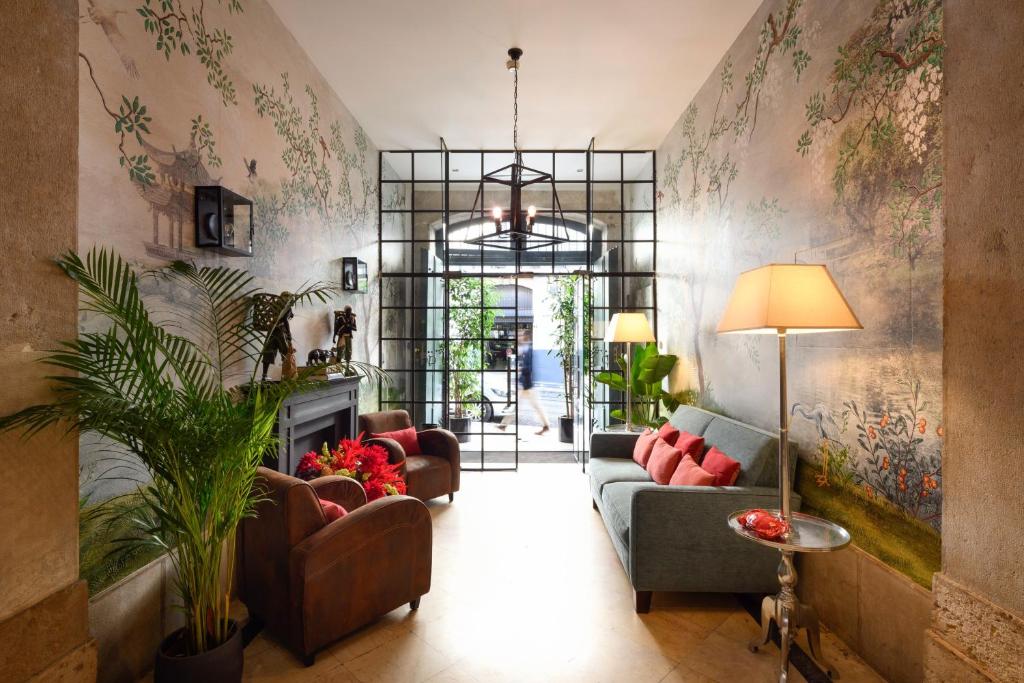
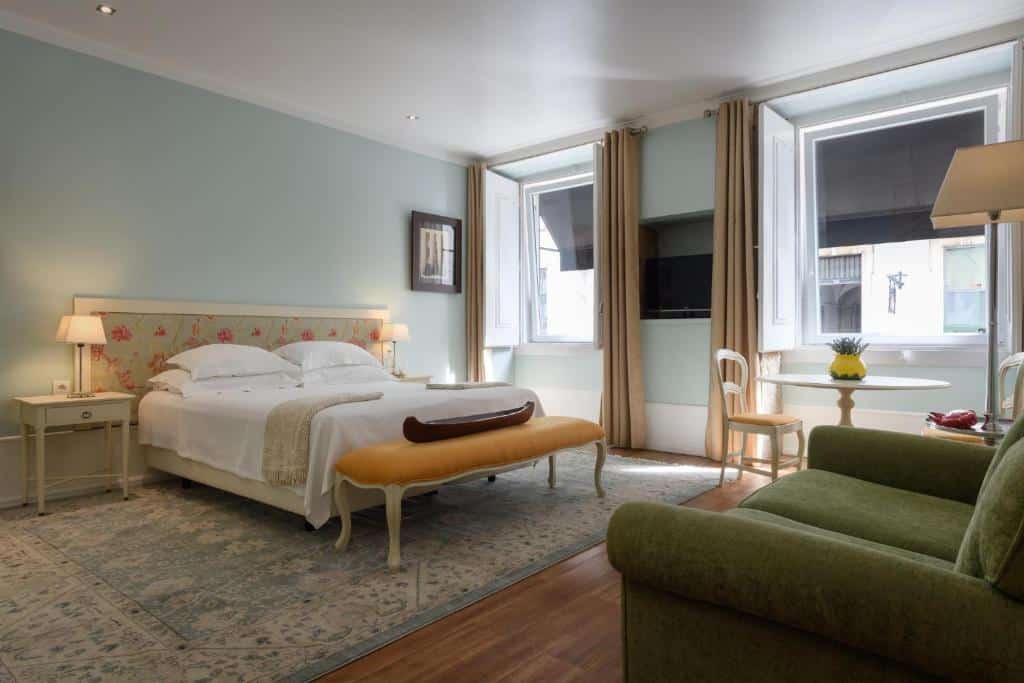
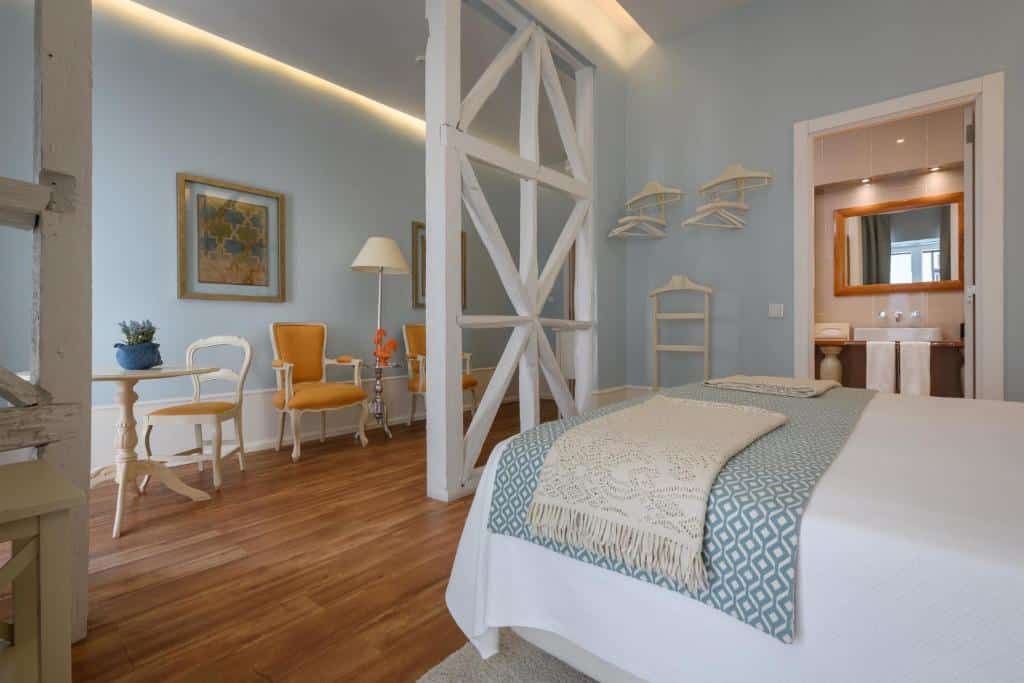
Alecrim ao Chiado is a boutique guesthouse-style hotel in one of Lisbon’s most vibrant and central neighbourhoods. Guests consistently highlight several reasons they love staying here. Visitors rate its location extremely high, noting that being within walking distance of major attractions like Commerce Square, tram lines, restaurants, and shops makes it an ideal base for exploring the city on foot. The hotel’s comfortable and immaculately clean rooms, often with city or river views and thoughtful amenities such as air‑conditioning and tea/coffee makers, regularly receive praise in reviews, contributing to high scores for comfort and cleanliness. Guests also emphasise the exceptionally friendly, helpful staff who go out of their way to make stays welcoming.
A three day itinerary when visiting Lisbon
Lisbon is a city of hills, history, and cozy neighbourhoods. From panoramic viewpoints to historic monuments, colourful streets, and riverside charm. The city can be explored in many ways. This three day suggested itinerary is going from classic highlights to cultural immersion and relaxed local experiences. It helps you make the most of your time in Portugal’s capital.
Day 1: Classic Lisbon Highlights
Start your adventure in Lisbon by exploring the heart of the city on the first day. Begin in Baixa and Chiado, where elegant squares, historic streets, and boutique shops invite you to wander around. Take a ride on the iconic Tram 28, which goes through the city’s hills, and stop at viewpoints like Miradouro de Santa Catarina for panoramic vistas of the rooftops and the Tagus River. In the afternoon, head to Alfama, Lisbon’s oldest neighbourhood, to explore the narrow, cobbled streets. Or visit the Lisbon Cathedral, and enjoy the medieval charm of the National Pantheon. Conclude the day with a traditional Fado dinner, listening to the soulful music that makes Alfama so atmospheric.
Day 2: Culture and history immersion
On the second day, venture west for a day trip to Sintra. This is a fairy-tale town located in the green hills just 30 minutes by train from Lisbon. Sintra is famous for its romantic Pena Palace, the mystical Quinta da Regaleira, and the historic Moorish Castle. Wander through the charming town centre and stop at a local café to try a travesseiro, a traditional Sintra pastry. For those with extra energy, the scenic coastal town of Cascais is nearby and makes a perfect addition to your itinerary. The golden beaches, marina, and seaside promenade are a relaxing contrast to Sintra’s palaces.
Day 3: Relaxed local experience
The third day can combine both city exploration and a coastal escape. Begin with a visit to Belém, where you can admire the Jerónimos Monastery, the impressive Belém Tower, and the Padrão dos Descobrimentos. Don’t forget to stop at Pastéis de Belém for the famous custard tarts. In the afternoon, take a short trip to Praia de Carcavelos or Costa da Caparica, where you can enjoy golden sands, Atlantic waves, and a chance to relax by the sea. Return to Lisbon in the evening for a riverside stroll along Praça do Comércio. Here you can take in the lights reflecting on the Tagus and ending your three-day adventure with a perfect mix of history, culture, and coastal beauty.

Best time to visit Lisbon
The best time to visit Lisbon is generally from March to June and September to October. During these months, the weather is mild and sunny, tourist crowds are smaller than in peak summer, and prices for accommodation are more reasonable. Spring brings blooming gardens and pleasant temperatures. Early autumn still has warm days and fewer crowds, ideal for sightseeing, walking through historic neighbourhoods, and enjoying riverside cafés.
Summer (July–August) is hot and crowded, especially in tourist hotspots like Belém, Alfama, and Baixa. But it’s also lively with festivals and beach trips nearby. Winter (November–February) is cooler and rainier, but Lisbon remains charming, with fewer tourists, lower prices, and a more authentic local experience. For a balance of good weather, manageable crowds, and cultural activities, plan your trip in late spring or early autumn.
How to get to Lisbon
Lisbon is served by Humberto Delgado Airport (Lisbon Airport, LIS), located just 7 km from the city centre. It is the main gateway for international travellers, with direct flights from major European cities, North America, Africa, and Brazil. From the airport, you can reach the city by metro (red line), bus, taxi, or rideshare. The metro takes about 20–30 minutes to reach central areas like Baixa or Avenida da Liberdade.
Train
Lisbon is connected to other Portuguese cities by Comboios de Portugal (CP) trains. Major routes include Porto–Lisbon, Coimbra–Lisbon, and Faro–Lisbon, arriving at Lisboa Santa Apolónia or Lisboa Oriente stations. Trains are comfortable and often scenic, especially along the coast.
Bus
Long-distance buses connect Lisbon with cities across Portugal and Spain. They are operated by companies such as Rede Expressos. Buses usually arrive at Sete Rios or Gare do Oriente, both well-connected to metro and taxis.
Car
If you’re driving from nearby regions, Lisbon is accessible via Portugal’s highways (A1 from Porto, A2 from the south). Keep in mind that parking in central Lisbon can be challenging, so consider using paid parking lots or park-and-ride options.
Sea
Lisbon’s Port of Lisbon welcomes cruise ships and private yachts. While less common for standard travel, it can be an option for those arriving by cruise or riverboat.

Local foods to try in Lisbon
Lisbon is a city of flavours, where centuries of maritime trade, local traditions, and fresh ingredients come together on every plate. From sweet pastries to savoury seafood and hearty comfort foods. Exploring Lisbon’s culinary scene is a delicious way to experience the culture, history, and spirit of the city.
Pastéis de Nata
Lisbon’s most famous treat, these small custard tarts have a crispy, flaky pastry and creamy, sweet filling. Best enjoyed fresh from Pastéis de Belém in the Belém district, they are often sprinkled with cinnamon or powdered sugar.
Bacalhau à Brás
Bacalhau (salted codfish) is a Portuguese staple, and Bacalhau à Brás is a comforting dish made with shredded cod, onions, and thinly fried potatoes. They are all bound together with eggs and garnished with parsley and olives.
Sardinhas Assadas (Grilled Sardines)
A Lisbon summer favourite are grilled sardines. They are often served during festivals like Santos Populares in June. They’re usually cooked over charcoal and served with bread, salad, or potatoes.
Bifana
A simple yet flavourful pork sandwich, the bifana features marinated, thinly sliced pork in a soft roll. Found at cafés and street stalls, it’s perfect for a quick, savoury snack.
Caldo Verde
A traditional Portuguese soup, Caldo Verde combines potatoes, kale, and chorizo in a simple, comforting broth. It’s often enjoyed as a starter or light meal.
Ginjinha
This sour cherry liqueur is a Lisbon classic, usually served in small glasses. You can find it at tiny bars around Rossio Square and Largo de São Domingos, sometimes even in chocolate cups for a sweet twist.
Amêijoas à Bulhão Pato (Clams in Garlic Sauce)
A fresh seafood dish of clams cooked with garlic, olive oil, and cilantro, often served with bread to soak up the flavourful sauce. A must-try for seafood lovers.
Prego no Pão
A Portuguese steak sandwich, usually made with thinly sliced beef seasoned with garlic and spices, served in a crusty bread roll. It’s a favourite local lunch or late-night snack.
Arroz de Marisco
A rich, Portuguese seafood rice dish similar to a paella, with clams, shrimp, and mussels in a flavourful tomato-based sauce. Ideal for sharing in Lisbon’s riverside restaurants.
Queijo da Serra
A creamy, rich cheese from the Serra da Estrela region, often served as a starter with bread or as part of a cheese platter in Lisbon’s restaurants.


Best beaches around Lisbon
Lisbon isn’t just a city of hills and history. It’s also perfectly positioned near some of Portugal’s most stunning beaches. Whether you’re looking for golden sands, dramatic cliffs, or waves ideal for surfing, the coastline around Lisbon has something for every beach lover. From quick trips by train to scenic drives along the coast. These beaches are the perfect escape from the city heat and a taste of Portugal’s Atlantic charm.
Praia de Carcavelos
Just 20 minutes from Lisbon by train is Carcavelos. It’s wide stretch of golden sand and consistent waves make it ideal for sunbathing, swimming, and surfing. The beachfront is lined with cafés and restaurants.
Praia do Guincho
Located near Cascais, about a 40-minute drive from Lisbon, Guincho is famous for its dramatic cliffs, strong winds, and excellent surf conditions. It’s a favourite spot for windsurfing and kitesurfing enthusiasts. The surrounding natural park has scenic hiking trails and breathtaking ocean views.
Praia da Adraga
Praia da Adraga is a picturesque beach near Sintra, known for its rugged cliffs, rock formations, and golden sand. Less crowded than Carcavelos or Cascais, it’s perfect for a more tranquil escape. There’s a charming beachfront restaurant serving fresh seafood.
Praia da Costa da Caparica
Stretching over 30 km along the coast south of Lisbon, Costa da Caparica is a long sandy beach with cafés, surf schools, and beach bars. It’s ideal for families, surfers, and anyone looking for a lively seaside atmosphere. The sunsets here are particularly stunning with a colourful end to a day by the sea.
Praia da Ribeira do Cavalo
For a hidden gem experience, Ribeira do Cavalo is a secluded beach accessible by boat or a steep hike from the cliffs above. Its turquoise waters, soft sand, and dramatic cliffs make it one of the most beautiful beaches near Lisbon. It’s perfect for adventurous travellers looking for some peace, privacy, and natural beauty.

Travel tips for Lisbon
When travelling to Lisbon, it’s helpful to plan ahead to make the most of your visit. If you plan to hiking in the hills it means you need comfortable walking shoes. The Lisboa Card can save time and money on public transport and entry to top attractions. Trams are iconic, but lines like the famous Tram 28 can get crowded, so try riding early in the morning. Be mindful that many shops and restaurants close in the afternoon for a short break. Always carry some cash for smaller cafés or street vendors. For day trips and beaches, check train and bus schedules in advance, and remember that Lisbon’s weather can be sunny but windy. So pack layers and sun protection. Lastly, taking time to wander off the main tourist streets will reward you with authentic neighbourhoods, local cafés, and hidden viewpoints.
Highlights in Portugal
Portugal is a country full of history, culture, and natural beauty. In the north, Porto stands out with its charming riverside Ribeira district, iconic Dom Luís I Bridge, and world-famous port wine cellars. Visitors can wander its narrow streets, admire colourful tiled buildings, and enjoy the café culture while taking in views of the Douro River. The city’s mix of medieval architecture and modern attractions makes Porto a must-visit destination for both history lovers and food enthusiasts.
Further south, the region of Sintra feels like stepping into a fairy tale. Its hills are dotted with whimsical palaces, such as the brightly coloured Pena Palace, the enigmatic Quinta da Regaleira, and the historic Moorish Castle overlooking the town. Sintra’s forests, romantic estates, and cobbled streets create a magical atmosphere that contrasts beautiful with Portugal’s sunny coastlines. Beyond Porto and Sintra, travellers can explore Lisbon’s historic neighbourhoods, the scenic Douro Valley vineyards, and the Algarve’s golden beaches.

