

Imagine a place where history, culture, and breathtaking landscapes come together. This exquisite place is Vat Phou, an ancient temple complex located in the south of Laos, near Pakse. Whether you’re interested at the architectural sight of ancient civilizations or the serene beauty of nature, visiting Vat Phou is an unforgettable experience. If you are visiting Pakse you can’t miss out on Vat Phou. In this post, I’ll tell you more about the different historical time periods, culture and architecture of Vat Phou. One of the best monumental highlights in Laos is Vat Phou. And of course some practical information about the best time to visit, what to wear and how to get there.
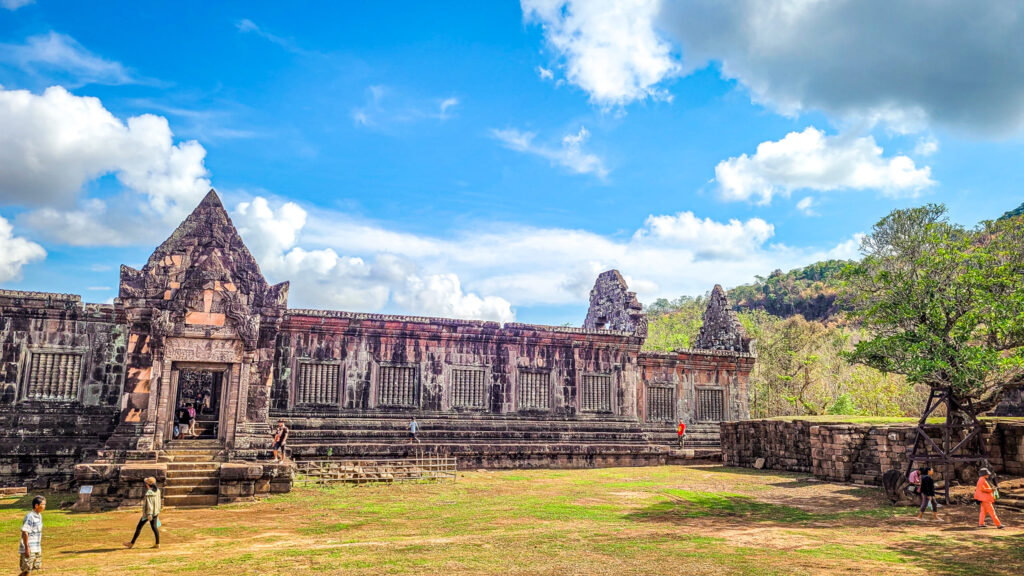
Table of Contents
The historical significance of Vat Phou in Laos
Vat Phou means “Mountain Temple” and the complex is more than just ruins. It’s a symbol of devotion of an ancient civilizations. Even today locals and visitors visit the temple to meditate and pray. Located near the base of the Phou Khao mountain, the temple complex crosses over 390 hectares and has been a UNESCO World Heritage site since 2001. Its strategic location along an ancient trade route highlights its historical importance as a centre of spiritual and commercial activity.
The temple’s position with the stars, its sophisticated carvings, and its sacred water source all point to its significance in various cultural and religious contexts. Over the centuries, Vat Phou has been a place of worship for Hindus and Buddhists. They all left their mark on the temples architecture, history and religious importance. This multi-layered significance makes Vat Phou a fascinating subject for anyone interested in the complexities of cultural evolution.
Reading tip: Cultural and natural highlights in Luang Prabang, Laos
The Pre-Angkorian period origins
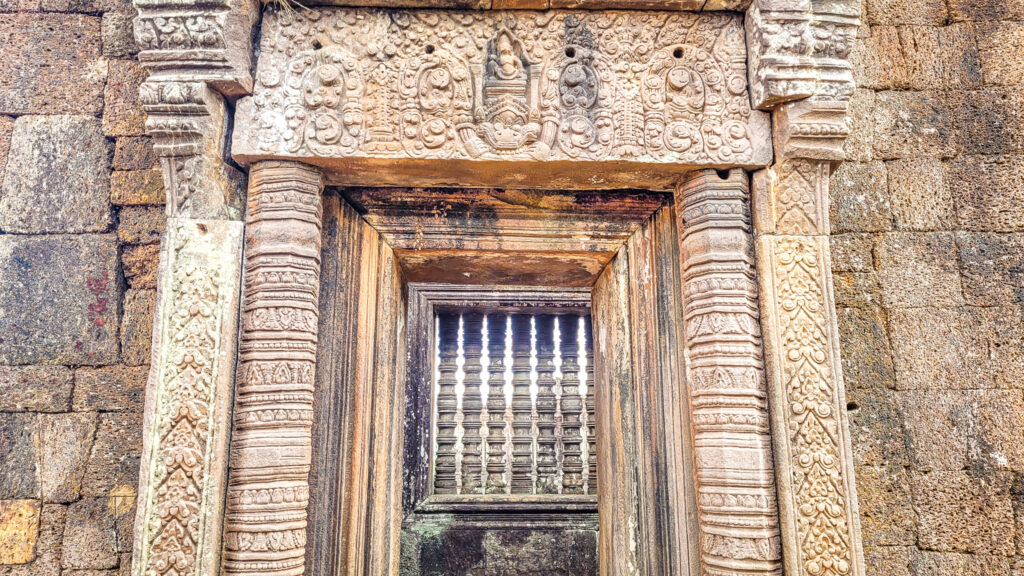
The story of Vat Phou begins in the Pre-Angkorian period, around the 5th century AD. During this time, the area was dominated by the Funan Kingdom. The Funan Kingdom was a thriving civilization known for its sophisticated maritime trade networks. The earliest structures at Vat Phou were likely wooden shrines dedicated to Shiva, one of the primary gods in Hinduism. These early constructions were the foundation for what would become a monumental temple complex.
By the 7th century the wooden structures were replaced with stone. This is important milestone and the beginning of Vat Phou’s architectural evolution. The sandstone carvings were depicting Hindu mythology, showing the artistic prowess of the time. One of the most remarkable features from this period is the stone causeway leading up to the central sanctuary. The causeway is surrounded by ceremonial ponds that reflect the temple’s grandeur. These elements not only served religious purposes but also demonstrated the advanced engineering skills of the builders.
The Khmer Empire era
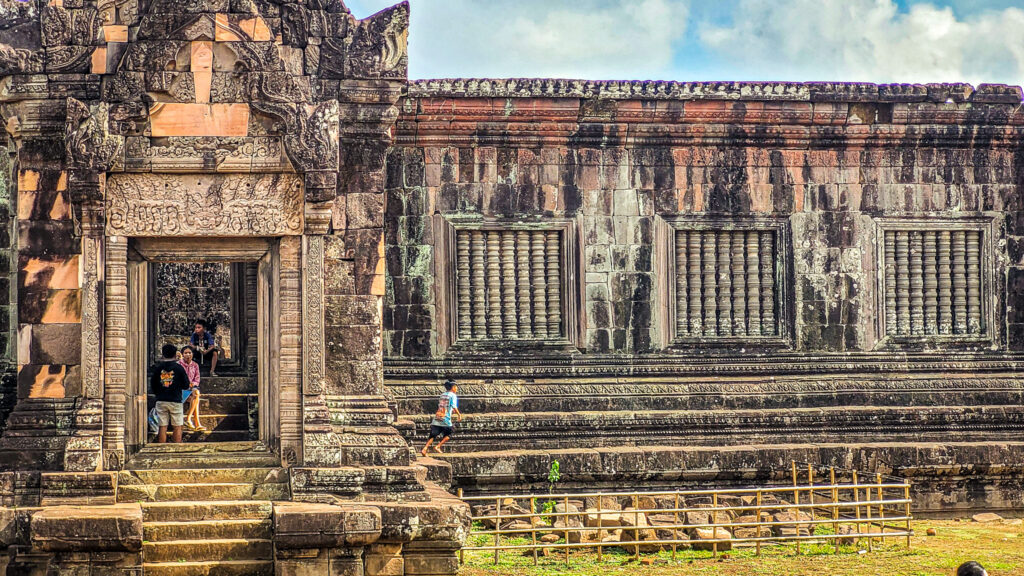
Vat Phou reached its peak during the Khmer Empire. This period starts around the 9th and ends in the 15th centuries. This era marked the temple’s change into a significant pilgrimage site. Under the reign of King Jayavarman IV, extensive renovations were carried out. They were combining the architectural styles and iconography that defined the Khmer Empire.
The central sanctuary was expanded, and new structures were added. Including libraries, pavilions, and additional shrines. The influence of Angkor Wat, the empire’s most famous temple, is evident in the architectural details and layout of Vat Phou. The temple complex was meticulously aligned with the Phou Khao mountain. At that time they believed the mountain was the home of the Hindu god Shiva. They created a spiritual axis that linked the earthly and divine realms.
During this golden age, Vat Phou also became a centre for learning and cultural exchange. Scholars, artists, and pilgrims visited or stayed at the temple, contributing to its energetic intellectual and spiritual life. The temple’s carvings from this period depict not only religious themes but also scenes from daily life, offering a glimpse into the rich cultural milieu of the time.
Reading tip: Cultural and natural highlights in Nong Khiaw
Architecture and Layout
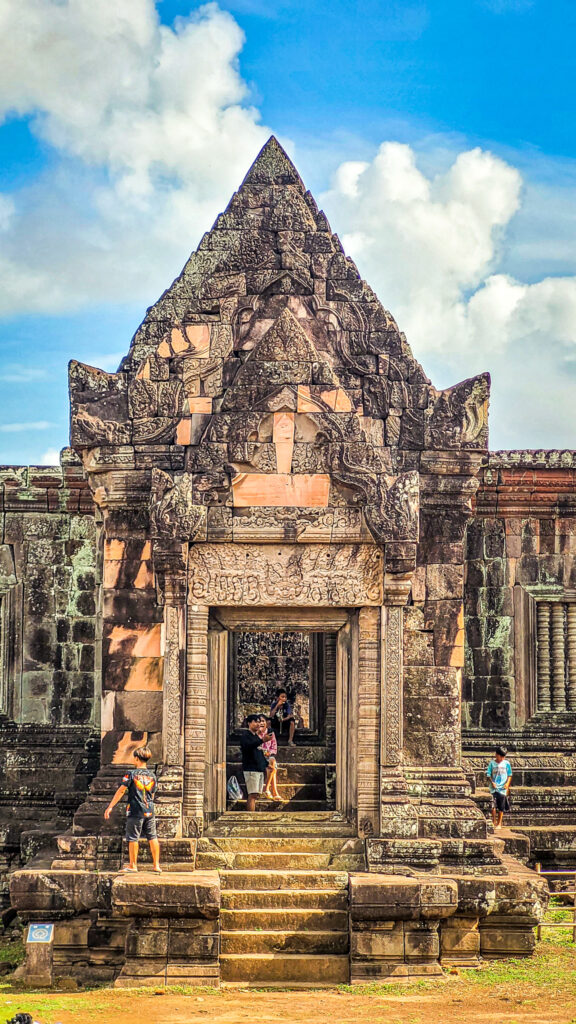
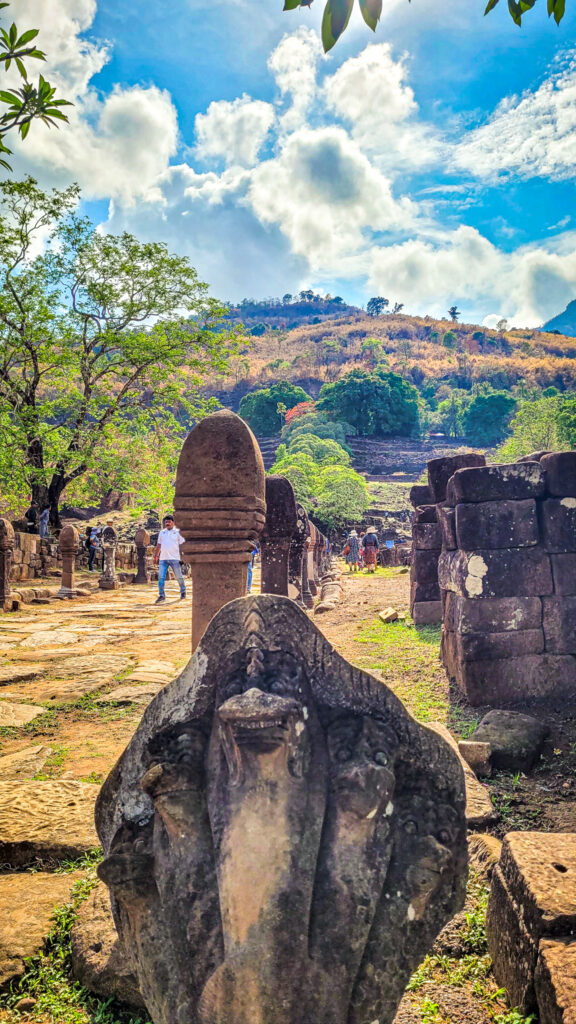
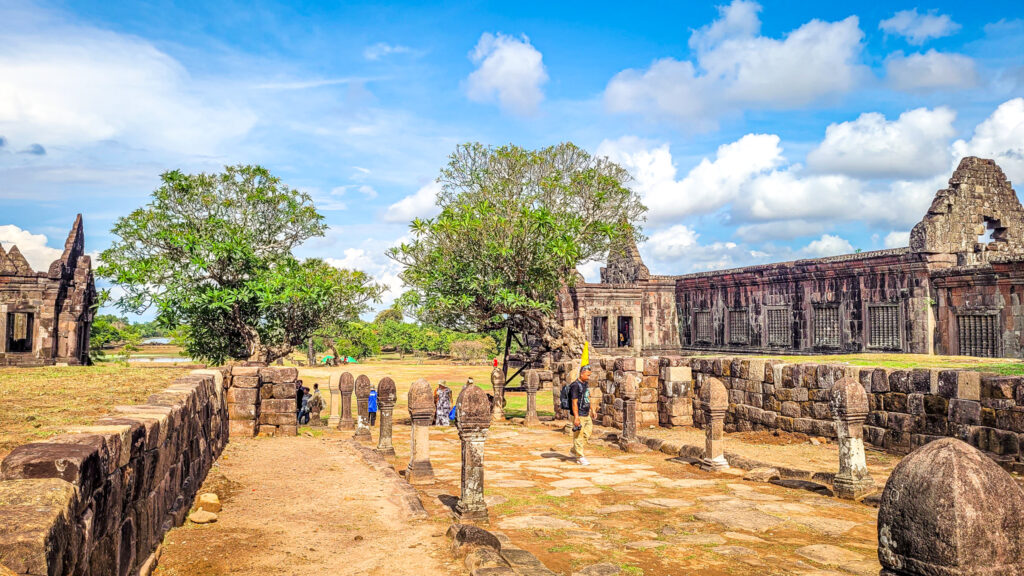
Vat Phou is a stunning example of Khmer temple architecture, harmoniously integrated with the surrounding landscape. The complex is arranged along an axis that leads from the lower terraces to the central sanctuary at the foot of Mount Phou Kao. The design is reflecting both religious symbolism and a deep connection to nature. Visitors can explore detailed carved lintels, stone stairways, and open-air terraces that once hosted sacred rituals. The main sanctuary, originally dedicated to the Hindu god Shiva, has stone lingams and elegant carvings of divine figures, while later Buddhist influences can be seen in additional statues and shrines. The careful alignment of the temple with the mountain and the Mekong River illustrates the Khmer architects’ profound understanding of both spiritual and natural landscapes.
Religious and Cultural Significance
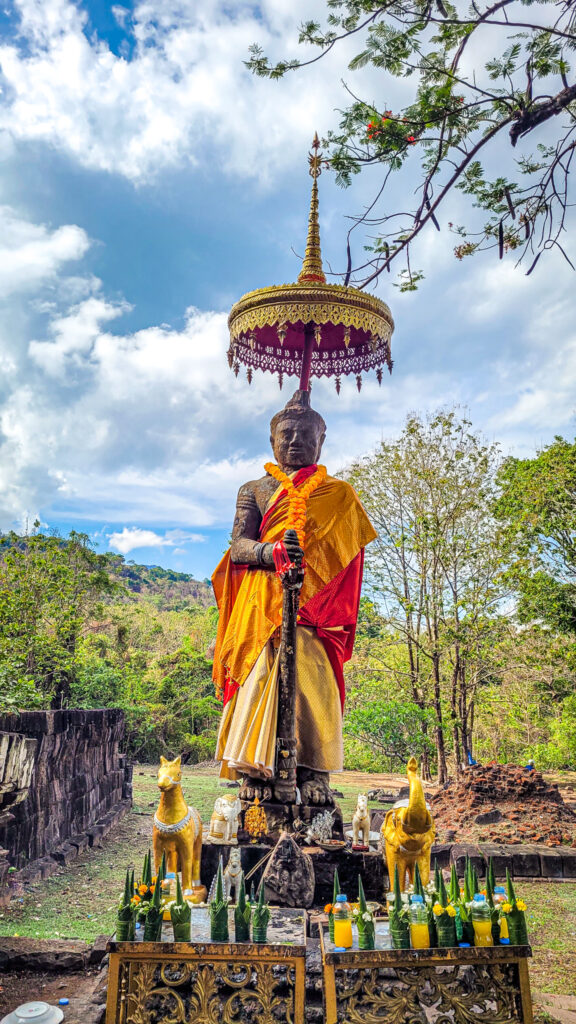
Vat Phou has long been a sacred site, first as a Hindu temple and later as a Buddhist place of worship. The temple’s layout and carvings were designed not only for rituals but also to symbolize the connection between the earthly and divine realms. Local communities continue to honour Vat Phou through annual festivals and offerings, keeping centuries-old traditions alive. The site is a powerful reminder of the Khmer Empire’s cultural reach and the enduring importance of spiritual life in Laos.
Where to stay around Vat Phou
When visiting Vat Phou, finding the right place to stay can greatly improve your experience of southern Laos. The nearby town of Champasak is the main hub for accommodations. Staying close to Vat Phou allows you to explore the ancient temple complex easily, enjoy the surrounding natural scenery, and experience the relaxed pace of local life.
La Folie Lodge
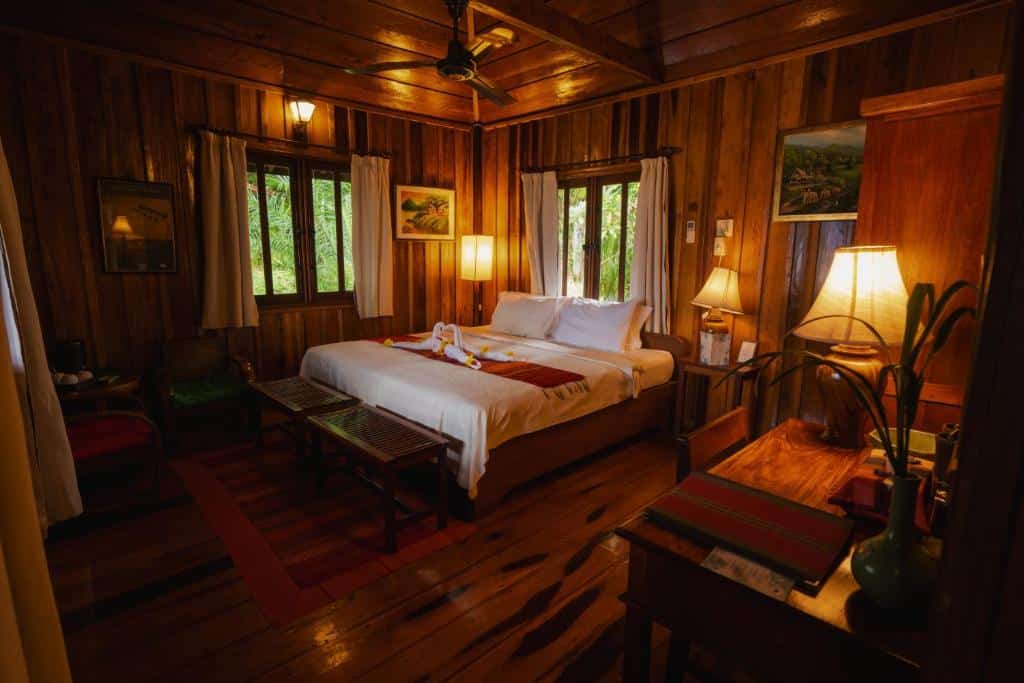
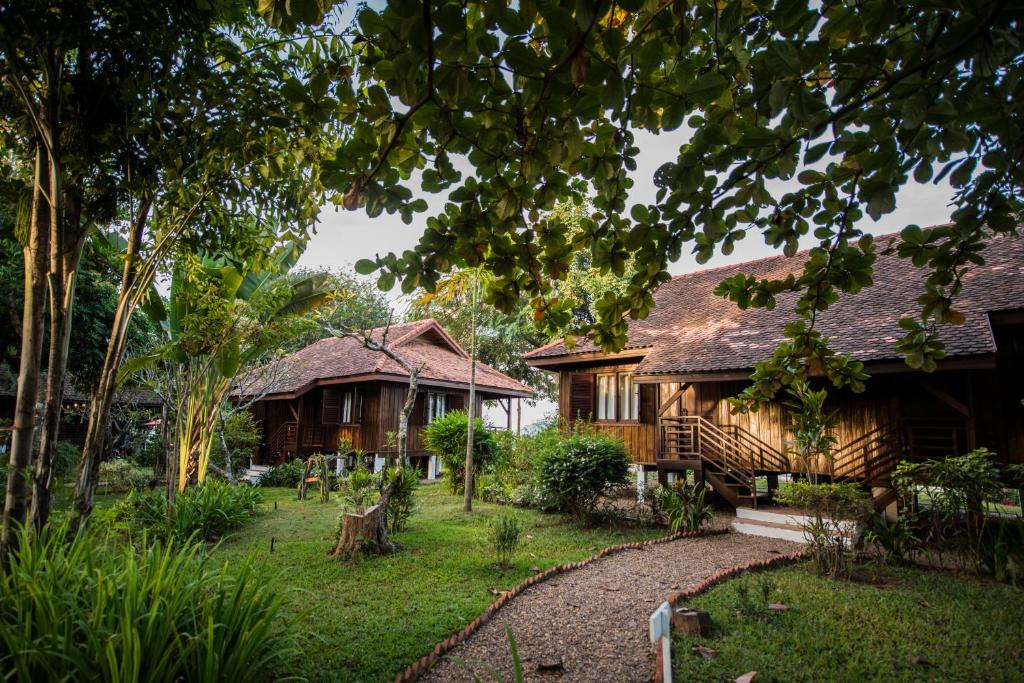
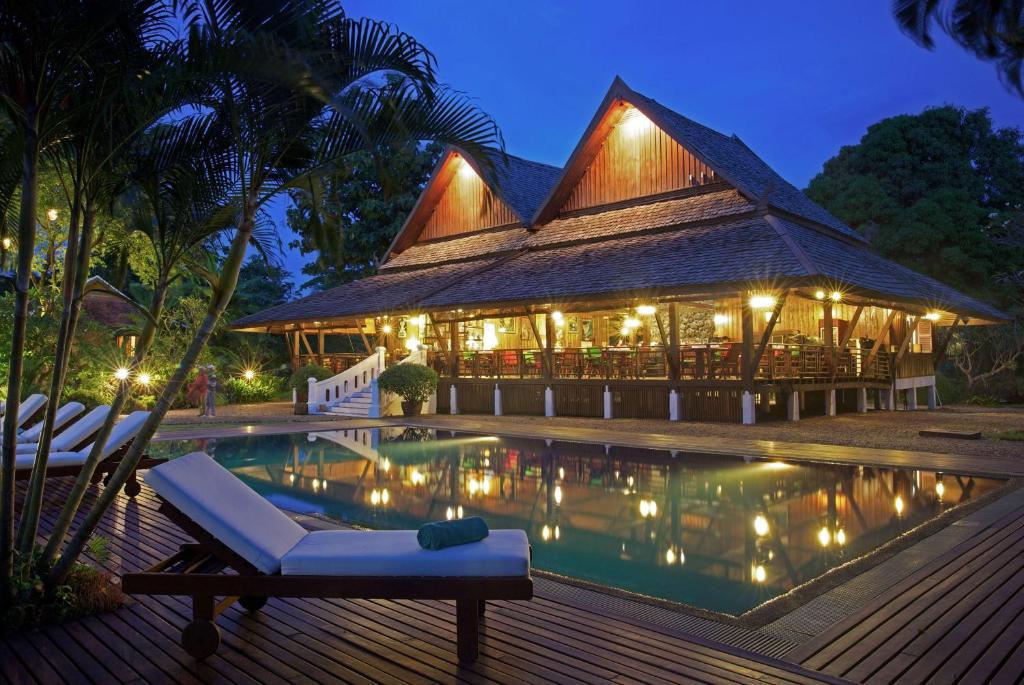
La Folie Lodge is widely praised for a tranquil, almost magical escape along the Mekong River. It is a peaceful island retreat that feels worlds away from busy tourist spots. Guests love the setting: wooden bungalows located within a green landscape. Each bungalow comes with a private balcony or terrace facing the river and, on clear days, the sacred mountains beyond. The atmosphere is intimate and relaxed, thanks to a small number of rooms and well-kept gardens. The laid-back vibe invites slow mornings on the terrace or coil‑up evenings with the sound of the river in the background. Many highlight the warm, attentive staff: from organizing boat transfers and bikes to helping arrange excursions (for example to nearby temples or Don Det at 4000‑islands region), to simply greeting you with a smile.
Residence Bassac
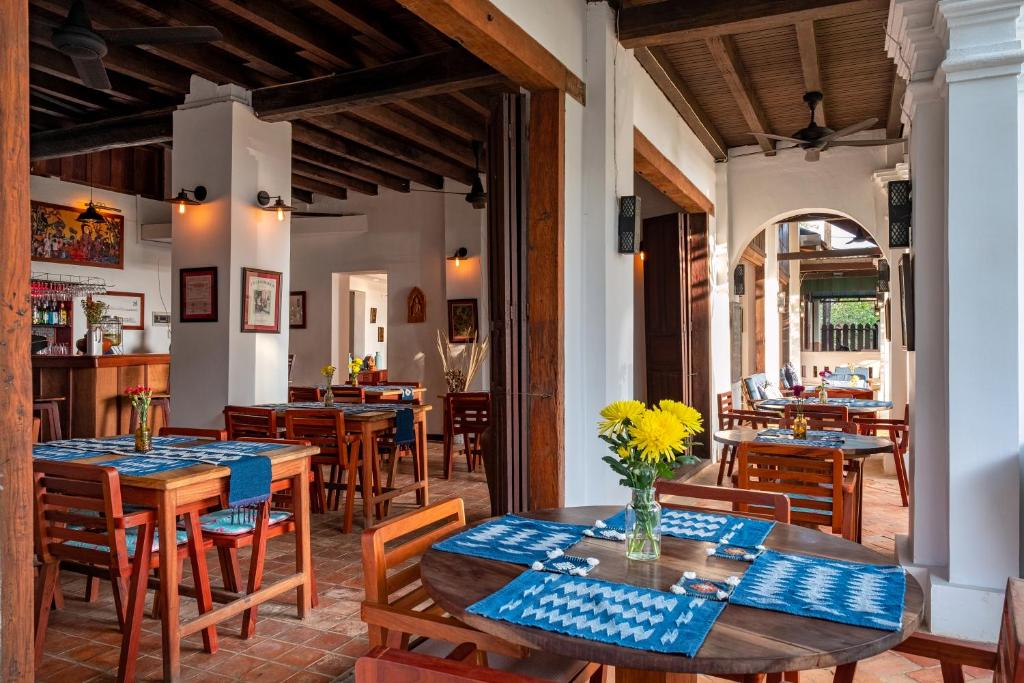
Residence Bassac has a mix of colonial‑style charm, modern comfort, and relaxed ambience. It is a spot many describe as a peaceful haven after exploring southern Laos. Guests particularly enjoy the spacious and beautifully renovated rooms, many with large windows or terraces, comfortable bedding, and tasteful decor mixing local and French‑colonial influences. The on‑site restaurant and riverside lounge provide a lovely setting for meals or drinks. They both serve Laotian and international dishes, which travellers often mention as a highlight of their stay. Reviews consistently note the cleanliness, calm atmosphere, attentive and friendly staff.
Khamphouy Guesthouse
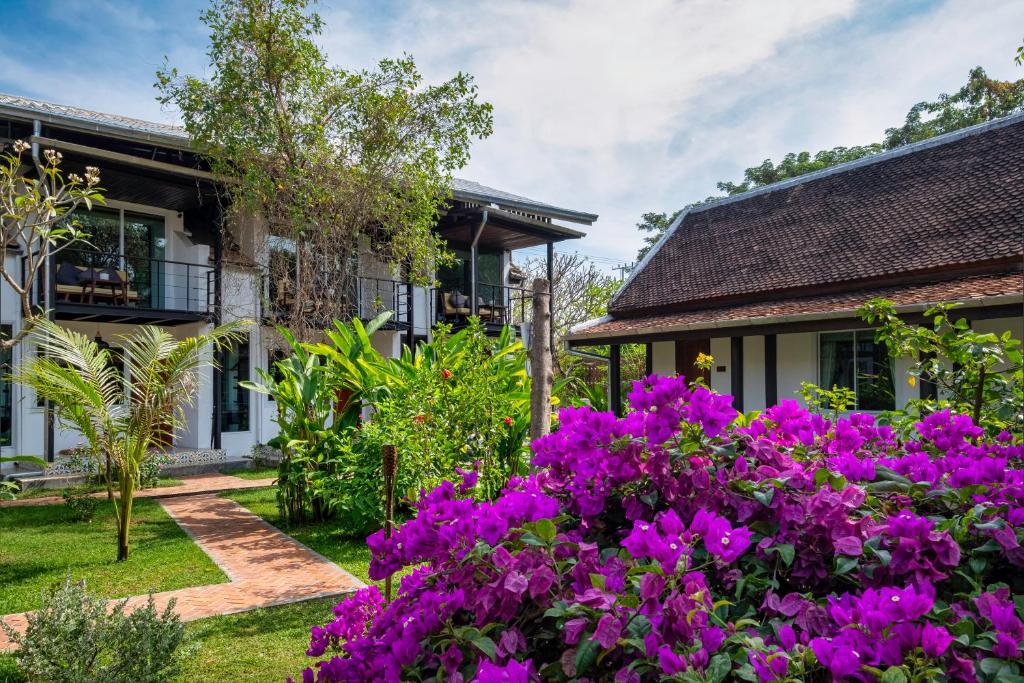
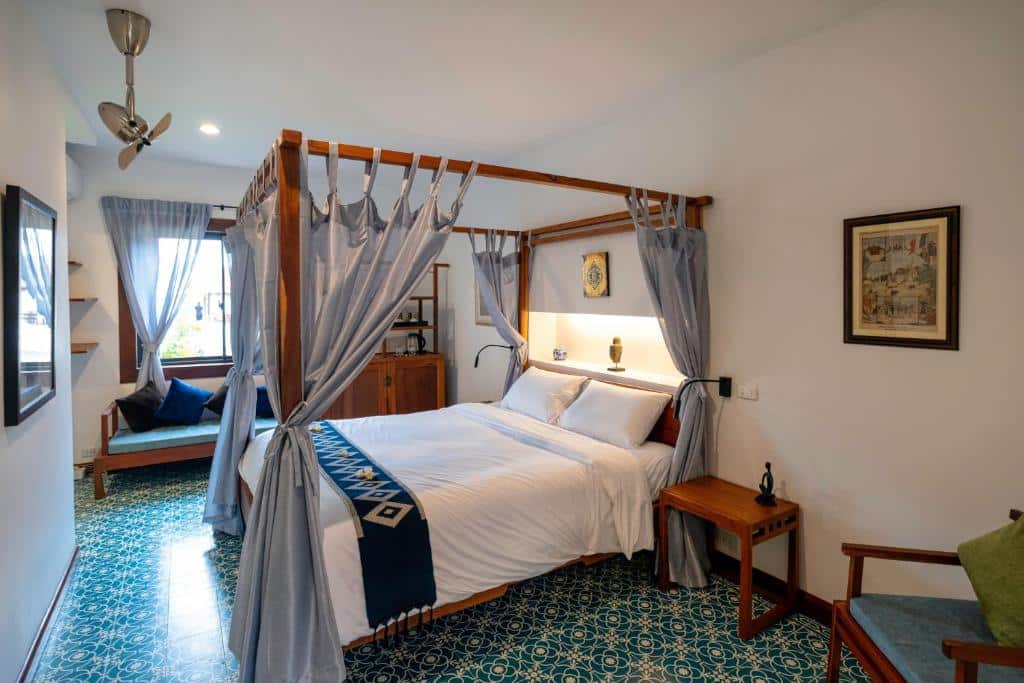
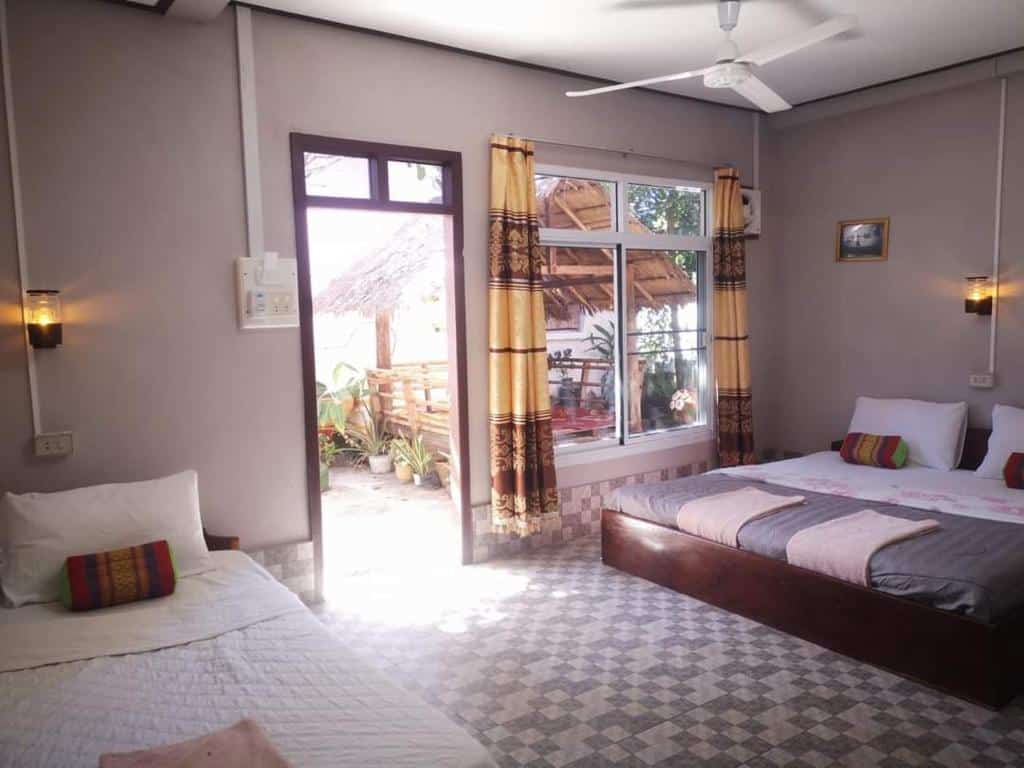
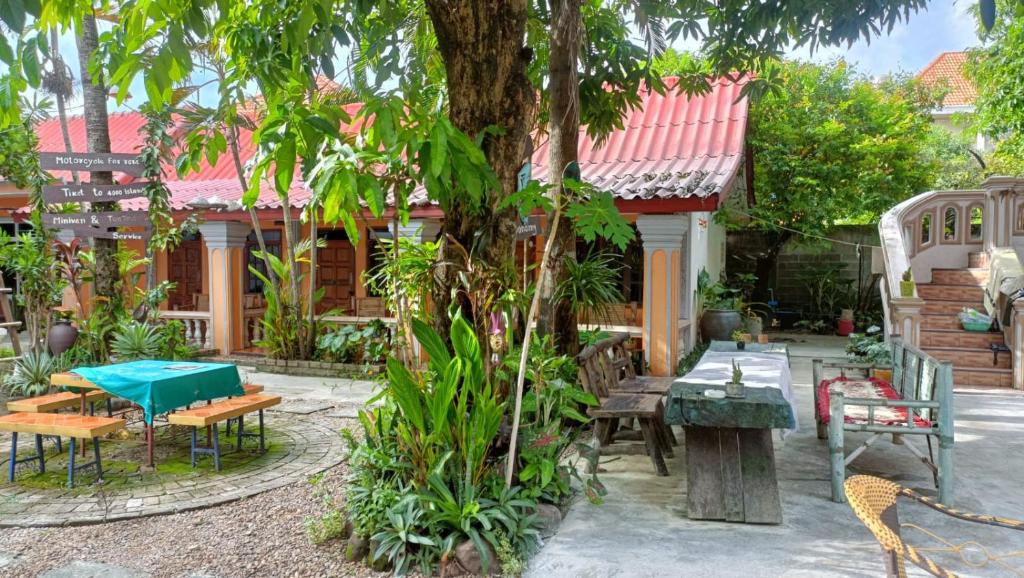
Khamphouy Guesthouse is a friendly, budget‑minded accommodation in Champasak that appeals especially to travellers looking for simplicity, comfort, and convenience. Guests often commend the clean, spacious rooms. Many rooms are equipped with air‑conditioning, private bathrooms, and balconies or terraces with garden or mountain views. The guesthouse’s courtyard and garden area are a calm spot to relax or enjoy breakfast in a peaceful setting. Its location is a major plus: just a short ride to Vat Phou by bicycle, tuk‑tuk or scooter, and surrounded by riverside cafés, small shops and day‑to‑day amenities. Guests also highlight the warm hospitality. The owners and staff are friendly and helpful, often assisting with transport, bike rentals, and travel arrangements.
Do’s and Don’ts guide for visiting Vat Phou
- Dress respectfully: Wear clothing that covers shoulders and knees, as Vat Phou is a sacred site. Lightweight, breathable fabrics are best for the tropical climate.
- Wear comfortable shoes: You’ll be walking on stone terraces and stairs, so sturdy, non-slip footwear is recommended.
- Bring water and sun protection: Hats, sunglasses, and sunscreen are essential, especially in the dry season.
- Be respectful of rituals: Observe local customs during prayers or ceremonies and avoid interrupting worshippers.
- Hire a guide if possible: A local guide can provide valuable insights into the temple’s history, architecture, and spiritual significance.
Don’ts:
- Don’t climb on sacred structures: Avoid touching or climbing the ancient stone carvings and sanctuaries.
- Don’t wear revealing clothing: Shorts, tank tops, or other revealing attire are inappropriate.
- Don’t litter or damage the site: Keep the temple grounds clean and follow signs or staff instructions.
- Don’t rush: Take your time to explore and appreciate the terraces, carvings, and views.
Best time to visit
The best time to visit Vat Phou is during the dry season, from November to April. During these months, the weather is cooler and more comfortable, with minimal rainfall, making it ideal for exploring the temple complex and walking around the terraces. Temperatures are generally pleasant, though it can get warm in March and April.
The wet season (May to October) brings heavy rain and high humidity, which can make the site slippery and more challenging to explore, though the surrounding landscape becomes green. For a balance of good weather and fewer crowds, November to February is particularly recommended.
The best time of day to visit Vat Phou is early in the morning, ideally around 8:00–10:00 a.m.. At this time, the temperatures are cooler, the light is soft for photography, and the site is generally less crowded, allowing for a more peaceful experience. Visiting in the morning also gives you the chance to enjoy the sunrise illuminating the temple and Mount Phou Kao, highlighting the detailed carvings and the surrounding terraces.
Late afternoon, around 3:00–5:00 p.m., can also be beautiful, as the setting sun casts a warm glow on the stone structures, but mornings are usually preferred for comfort and clearer skies.
How to get there
Vat Phou is located in the Champasak Province and around 43 kilometres from Pakse. It’s the nearest city to Vat Phou and it has a small international airport. From Pakse you can either rent a car or hire a local guide to take you to the site. For those who love the thrill of the open road, renting a scooter is also an exciting option. And believe it or not, but the road from Pakse to Vat Phou is well maintained. Some say it’s the best road in Laos. So going by scooter is a breeze.
Vat Phou is located about 6 kilometres from the town of Champassak. The best time to visit is during the dry season, from November to March, when the weather is pleasant and the paths are more accessible. Early mornings and late afternoons are ideal for avoiding the midday heat.
Booking tip: the most convenient way to book bus and train tickets in Laos is via 12Go.
What to see
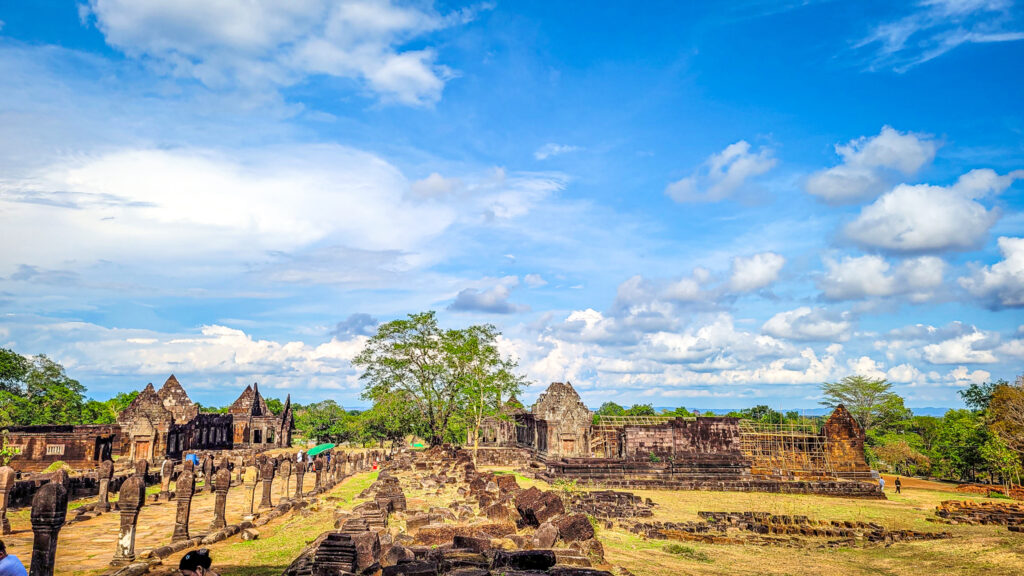
Start your tour at the lower terrace, where you’ll find the remains of ancient reservoirs and the stone causeway leading up to the temple. As you ascend, take in the intricate carvings on the temple walls, each telling a story of divine legends and historical events. Don’t miss the central sanctuary, the heart of Vat Phou, where you can feel the spiritual energy that has infused the site for centuries.
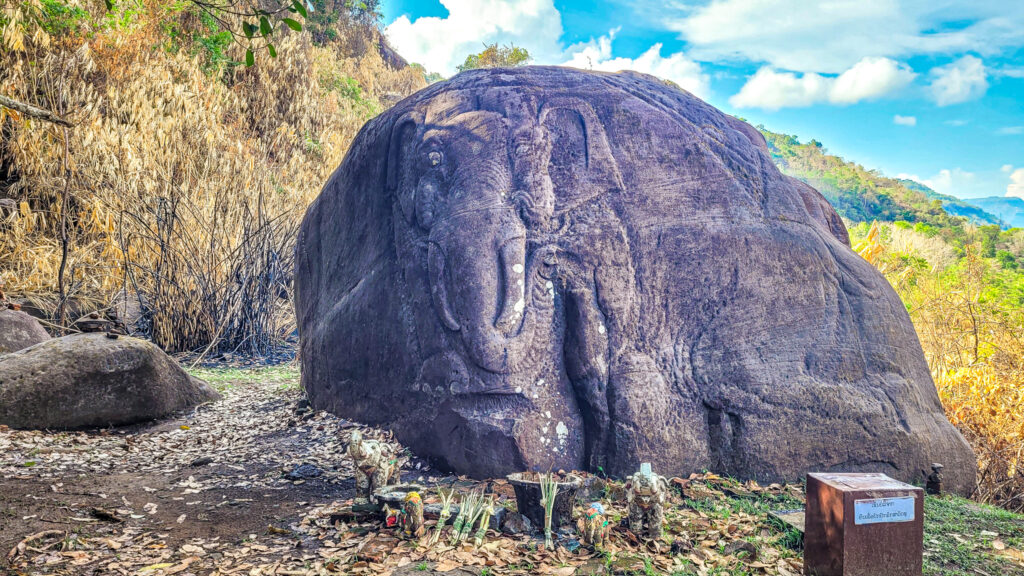
Once you have reached up the hill you have an amazing view of the complex and it’s surroundings. Take a break here and admire the view and peaceful environment. Don’t forget to search for the Elephant Rock on top of the hill. I did not find the Crocodile Rock but it supposed to be around the same place as the Elephant Rock.
Cultural and natural highlights to visit in Laos
Laos is a country in Southeast Asia that many travellers overlook. Those who do visit this beautiful country are rewarded with stunning cultural and natural highlights. From ancient temples to scenic landscapes. Laos has something for every type of traveller. Here are a few cultural and natural highlights to visit in Laos.
One of the must-see attractions in Laos is the city of Luang Prabang. This UNESCO World Heritage Site is known for its well-preserved French colonial architecture, traditional handicrafts, and charming streets filled with Buddhist temples. One of the most popular sites in Luang Prabang is the Kuang Si Falls, a series of breathtaking cascades surrounded by the jungle.
Vang Vieng is a small town in Laos. It used to be known as the party capital of Southeast Asia. The city attracted crowds of backpackers for the cheap alcohol and wild “tubing” experiences during its peak in the early 2000s. But over the years, Vang Vieng has undergone a transformation. It went from a hedonistic party town to an outdoor adventure hub. The government cracked down on excessive drinking and implemented stricter safety regulations for tubing activities.
Nong Khiaw is located in northern Laos. It is a small charming town surrounded by mountains and breathtaking landscapes. The town offers a unique blend of cultural value and natural surroundings. Nong Khiaw has diverse ethnic groups, including the Khmu, Hmong, and Tai Dam people. Find some time to go around and visit nearby villages. You can also attend traditional activities such as rice farming and handicraft making. Or try some local culinary techniques.


This Post Has 4 Comments
Knap dat je altijd weer een goed en duidelijk artikel schrijft met prachtige foto’s
Hi Anita,
Ik doe mijn best om mooie foto’s te maken 😛
Adriana
Dankjewel! 😊 Het betekent veel om te horen dat je mijn artikelen en foto’s waardeert. Fijn dat het zo duidelijk en inspirerend overkomt! 📸✨
Hey,
hoe lang ben je nog in Azië?