


Portugal
Portugal is a country where historic cities, Atlantic coastlines, and deep-rooted traditions come together in a compact and easy-to-explore destination. From the tiled streets and riverfront views of Lisbon and Porto to medieval towns, vineyard-covered valleys, and sun-drenched beaches. Portugal has a rich variety of experiences for every type of traveller. Its mild climate, welcoming culture, and strong sense of identity make it an ideal destination for both short city breaks and longer journeys.
This travel guide to Portugal provides practical information and inspiration to help you plan your trip with confidence. You will find highlights of the country’s most important cities, natural landscapes, beaches, and islands, along with insights into Portuguese cuisine, festivals, transport, and local customs. Whether you are visiting for history, food, outdoor activities, or coastal scenery. This travel guide will help you experience Portugal in a meaningful and well-informed way.
A brief history of Portugal
Portugal’s history dates back to ancient times when the region was inhabited by Celtic tribes and later influenced by Roman rule. It left a lasting impacts on language, law, and infrastructure. After the fall of the Roman Empire, the Visigoths and then the Moors controlled parts of the Iberian Peninsula. In the 12th century, Portugal emerged as a distinct kingdom under King Afonso I. He secured independence from the Kingdom of León. Over the following centuries, Portugal expanded its territory, developed its unique culture, and became a significant maritime power.
During the 15th and 16th centuries, Portugal entered its Golden Age of exploration. Portuguese explorers such as Vasco da Gama and Ferdinand Magellan established sea routes to Africa, India, and South America. He created one of the largest global empires of the era. The wealth from overseas colonies powered the growth of Lisbon and other cities, influencing art, architecture, and science. Despite periods of political instability and foreign occupation in later centuries, Portugal maintained its sovereignty. Today the country is a democratic republic known for its cultural heritage, historic landmarks, and maritime traditions.
Highlights to visit in Portugal
Lisbon
Lisbon is Portugal’s capital and a city with colourful streets, historic neighbourhoods, and panoramic views. Explore the Alfama district, the oldest part of the city, with its narrow alleys, traditional Fado music, and charming cafes. Don’t miss Belém, home to the iconic Belém Tower, Jerónimos Monastery, and the famous pastéis de nata custard tarts. For modern attractions, Parque das Nações, the Oceanarium and contemporary architecture. The city’s trams, viewpoints (miradouros), and riverside walkways make Lisbon a perfect mix of history, culture, and scenic beauty.
Porto
Porto, in northern Portugal, is famous for its historic centre, riverside charm, and world-renowned port wine. Wander along the Ribeira district with its colourful houses lining the Douro River, and visit the Dom Luís I Bridge for stunning city views. Wine lovers can tour the many cellars of Vila Nova de Gaia to taste authentic port wines. Porto is also home to the Clérigos Tower, São Bento Railway Station with its beautiful azulejo tiles, and the contemporary Serralves Museum of Modern Art.
Braga
Braga is known as the “Portuguese Rome.” The town is famous for its religious history and baroque architecture. Visit the Bom Jesus do Monte, a hilltop sanctuary with a detailed staircase and panoramic views over the city. The Braga Cathedral (Sé de Braga) is one of the oldest in Portugal, and the historic centre is filled with charming squares, gardens, and cafés. Braga hosts vibrant religious festivals, particularly during Holy Week, which draw visitors from across the country.
Coimbra
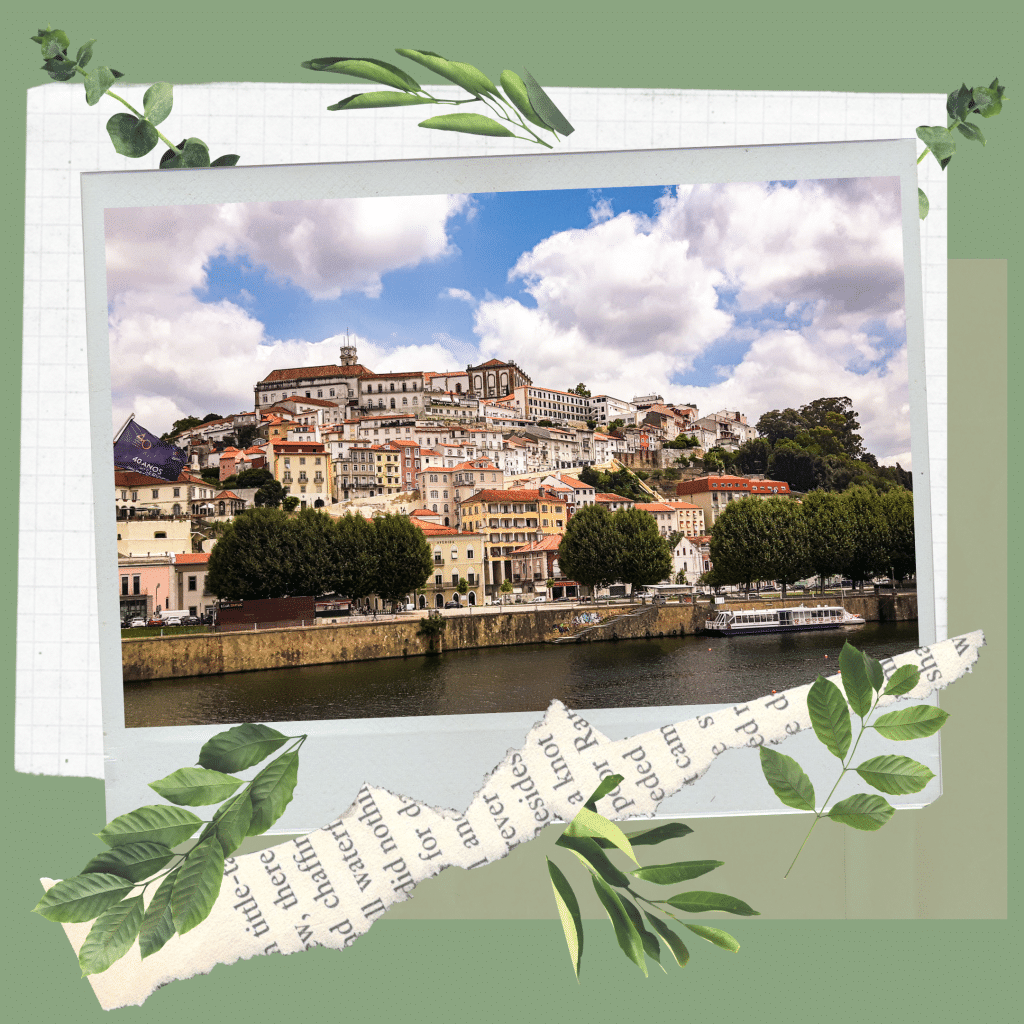
Coimbra is a city infused in academic tradition. It is home to one of the oldest universities in Europe, the University of Coimbra. The university’s Joanina Library is a baroque masterpiece and a must-see for book lovers. Wander the city’s medieval streets and enjoy the riverfront along the Mondego River. Coimbra is also famous for its Fado de Coimbra, a unique style of Fado sung by male university students, and its lively student traditions.
Sintra
Just outside Lisbon is Sintra, a fairytale town famous for its romantic palaces and green hills. Highlights include the Palácio da Pena, a colourful hilltop palace with spectacular views, the Moorish Castle, and the Quinta da Regaleira. It is known for its mystical gardens and secret tunnels. Sintra’s UNESCO-listed historic centre is perfect for strolling, sampling local pastries like travesseiros, and enjoying the picturesque scenery.
Évora
Évora, in the Alentejo region, is a city of Roman and medieval heritage. The Roman Temple of Évora, the Évora Cathedral, and the eerie Chapel of Bones are must-visit landmarks. Évora’s narrow streets, whitewashed houses, and local markets provide a glimpse into traditional Portuguese life. The surrounding Alentejo countryside is perfect for wine tasting and olive oil tours.
Douro Valley
The Douro Valley is a UNESCO World Heritage region known for its terraced vineyards along the Douro River. Visitors can enjoy scenic river cruises, wine tastings at local quintas (wine estates), and picturesque villages like Pinhão. The valley is especially beautiful in autumn, when the vineyards turn golden, making it a paradise for photographers and wine enthusiasts alike.
Madeira & Azores (Optional Island Highlights)
For nature lovers, Portugal’s islands are exceptional. Madeira has mountains, levada walks, and botanical gardens. The Azores are known for volcanic landscapes, crater lakes, and whale watching. These islands provide a unique experience of Portugal’s natural beauty, away from the bustling cities.

Outdoor activities in Portugal
Hiking and Nature Trails
Portugal has a variety of scenic hiking opportunities. In the Peneda-Gerês National Park in the north, you can explore waterfalls, forests, and wildlife. Sintra-Cascais Natural Park near Lisbon has trails through forests, cliffs, and palaces, including paths to the famous Palácio da Pena. In the Algarve, coastal paths like the Seven Hanging Valleys Trail have stunning views of cliffs, caves, and beaches.
Water Sports and Beaches
Portugal’s extensive coastline makes it perfect for water activities. Surfing is popular in Nazaré, home to some of the world’s biggest waves. Ericeira is known as a surf reserve. Sailing, kayaking, paddleboarding, and snorkelling are available along the Algarve coast and around Lisbon’s nearby beaches. Portugal’s beaches, from Praia da Marinha to Costa Nova, are also perfect for swimming, sunbathing, and scenic photography.
Cycling and Adventure Sports
Cycling enthusiasts can enjoy routes in the Douro Valley, with vineyards and river landscapes, or the Alentejo countryside, with quiet rural roads. Adventure explorers can try rock climbing in the Algarve, canyoning in Madeira, or paragliding over scenic cliffs and beaches. Portugal’s mild climate and diverse landscapes make it suitable for outdoor sports almost year-round.
Madeira’s Unique Outdoor Activities
The island of Madeira is a paradise for nature lovers and hikers. You can walk along the levadas, historic irrigation channels with trails through forests and mountains. Or go hiking to the summit of Pico Ruivo, the island’s highest peak. Madeira’s rugged coastline is perfect for canyoning, sea kayaking, and dolphin or whale-watching tours. The Laurisilva forest is a UNESCO World Heritage site with a unique opportunity to explore endemic flora and fauna.
Golf
Both mainland Portugal and Madeira offer world-class golf courses, particularly in the Algarve and Madeira, with spectacular coastal and mountain views. These regions also provide wellness and spa retreats, ideal if you want to combine outdoor activities with relaxation.

Best beaches in Portugal
Praia da Marinha (Algarve)
Praia da Marinha is often considered one of the most beautiful beaches in Portugal. Located in the Algarve, it’s famous for its dramatic limestone cliffs, crystal-clear waters, and natural rock formations. The beach is ideal for swimming, snorkelling, and photography, and visitors can explore nearby caves and hidden coves by boat.
Praia da Rocha (Portimão, Algarve)
Praia da Rocha is a wide, sandy beach with golden cliffs and a lively promenade. It’s perfect for sunbathing, beach sports, and enjoying restaurants and bars nearby. The beach is also popular for water sports, including jet-skiing and parasailing.
Praia do Camilo (Lagos, Algarve)
Praia do Camilo is a small, picturesque beach accessible via a long wooden staircase leading down from the cliffs. Its turquoise waters and sheltered coves create an intimate and scenic spot for swimming and relaxing. The surrounding cliffs also offer excellent viewpoints for photography.
Costa Nova (Aveiro)
Costa Nova, in central Portugal, is known for its colourful striped houses and wide sandy beach. The calm waters are ideal for swimming and kite surfing, while the scenic coastline is perfect for walking or cycling along the shore. Costa Nova combines beach leisure with a charming cultural experience.
Praia da Nazaré (Nazaré)
Praia da Nazaré is famous for its massive waves, attracting surfers from around the world. While it’s a hotspot for big-wave surfing in the winter, the summer offers calmer waters suitable for swimming and sunbathing. Visitors can also enjoy panoramic views from the Nazaré lighthouse and cliffs.
Praia do Guincho (Cascais)
Praia do Guincho, near Lisbon, is popular for windsurfing and kitesurfing due to its strong winds and waves. The expansive sandy beach and surrounding dunes also make it ideal for long walks, beach sports, and nature photography.
Madeira Beaches
Madeira, being a volcanic island, has unique black sand and pebble beaches. Praia Formosa in Funchal is Madeira’s largest public beach, with a mix of sand and pebbles, calm swimming areas, and nearby restaurants. The island also has natural swimming pools at Porto Moniz, where volcanic rocks create safe and scenic swimming spots.
Travel tips and cultural etiquette
Travel Tips
- Currency & Payments: Portugal uses the Euro (EUR). Credit and debit cards are widely accepted, but it’s useful to carry some cash, especially in smaller towns or local markets. ATMs are widely available.
- Language: Portuguese is the official language. In tourist areas, many people speak English, but learning basic phrases like “obrigado” (thank you) and “bom dia” (good morning) is appreciated.
- Transport: Public transport in cities is reliable. Metro, buses, trams, and trains connect major destinations. Consider buying reloadable transport cards like Lisboa Viva in Lisbon or Andante in Porto.
- Safety: Portugal is generally safe for travellers, with low levels of violent crime. Standard precautions apply, such as keeping an eye on belongings in crowded areas.
- Timing & Reservations: Restaurants often open later than in some countries (lunch from 12:30–2:30 pm, dinner from 7:30–10 pm). For popular attractions, especially in Lisbon, Porto, and Sintra, book tickets in advance to avoid long queues.
Cultural Etiquette
- Greetings: A handshake is common in formal situations, while friends and family may greet with two light kisses on the cheek. Smiling and polite eye contact are appreciated.
- Dining Etiquette: Table manners are important. Wait to be seated, keep hands visible (not in your lap), and don’t start eating until everyone is served. Tipping is customary but modest (5–10%).
- Respect for Religion: Portugal is predominantly Roman Catholic. Be respectful when visiting churches and religious sites; dress modestly and avoid loud behaviour.
- Personal Space & Behaviour: Portuguese people are generally polite and reserved. Avoid loud or aggressive behaviour in public. Queues are respected, and punctuality is valued for appointments and meetings.
- Photography: Always ask before photographing people in villages or markets. Photography is generally allowed in public spaces, but some churches or museums may have restrictions.
- Environmental Respect: Portugal is environmentally conscious. Dispose of litter properly, avoid touching or removing natural features, and follow local guidelines when hiking or visiting protected areas.
Practical info
Currency: Euro (EUR, €)
Languages: Portuguese
Religion: Christianity (mostly Roman Catholic, 81%), no religion (10%), others (9%)
Capital city: Lisbon
Visa: Non-Europeans may need a visa to enter Portugal. Submit your application at the nearest Portuguese embassy or consulate, providing a valid passport, completed visa application form, recent passport photos, proof of accommodation, travel itinerary, travel insurance, and financial means. Some nationalities require an appointment in advance. Processing usually takes around 15 days, so apply well before your trip. Citizens of the EU, Schengen Area, and several other countries can enter Portugal visa-free for short stays of up to 90 days.
Reading tip: Schengen Visa Guide: Who Needs It, How to Apply, and Entry Rules
Local SIM Card: Staying connected in Portugal is easy. You can purchase a prepaid SIM card from major operators such as MEO, NOS, or Vodafone at airports, convenience stores, or mobile shops. Plans start around €10 for 10 days of data and local calls. For a faster option, use an eSIM via Airalo. Buy a Portugal-specific or Europe-wide plan online, scan the QR code on your phone, and start using mobile data immediately. It is perfect for short trips or keeping your home number active.
Country Code: +351
Time: UTC +0 (winter), UTC +1 (summer)
Official Tourism Website: Visit Portugal
Practical info: Are you planning a trip and you need some practical info? Read the ultimate planning guide when you are going for a long term journey and download the packing list. I share tips about setting up a travel budget. Or find out the best travel apps to use.
Sustainable travel: I have written a few articles about sustainable travel. I give tips about how to make your trip more sustainable and how to fly more sustainable. I believe even the smallest effort can help.

Festivals in Portugal
National Holidays
Portugal celebrates several public holidays throughout the year. Key national holidays include New Year’s Day (January 1st), Freedom Day (April 25th) marking the Carnation Revolution, Labour Day (May 1st), Portugal Day (June 10th) celebrating the nation’s history and culture, and Republic Day (October 5th). Christmas Day (December 25th) and Easter Sunday are also celebrated, with family gatherings, special meals, and traditional religious celebrations.
Festivals
Portugal is famous for its festivals, which reflect its history, culture, and local traditions. In Lisbon, the Festas de Santo António in June honour the city’s patron saint with parades, music, street parties, and grilled sardines. Porto celebrates São João Festival, a lively event in June with fireworks, street dancing, and playful traditions like hitting friends with plastic hammers. In the south, the Festa da Senhora da Agonia in Viana do Castelo shows folkloric processions, traditional music, and stunning costumes.
Music and Cultural Festivals
Portugal is also known for its music festivals. The country hosts NOS Alive in Lisbon, one of Europe’s biggest music festivals, and Super Bock Super Rock for rock enthusiasts. Fado music, Portugal’s traditional melancholic style, is celebrated in events and festivals across Lisbon and Coimbra. Wine and gastronomy festivals, like the Festa do Vinho do Porto, offer visitors a taste of Portuguese culinary traditions alongside local crafts.
Religious and Seasonal Festivals
Many towns celebrate festivals tied to Catholic traditions, saints’ days, and seasonal events. During Carnival (February or March), cities like Funchal and Loulé host colourful parades, masquerades, and street parties. Harvest festivals in autumn, particularly in the Douro Valley wine region, celebrate grape harvesting with music, dancing, and wine tastings.

Public transport in Portugal
Trains
Portugal has an extensive and reliable train network connecting major cities and regions. Comboios de Portugal (CP) operates long-distance trains such as the Alfa Pendular (high-speed trains between Lisbon, Porto, and Faro) and Intercidades (intercity services). Regional trains serve smaller towns and coastal areas, making it convenient to explore beyond the main cities. Tickets can be booked online, at stations, or via mobile apps. For frequent travel, look into Portugal Rail Passes, which offer unlimited travel for a set number of days.
Booking tip: Use Omio to book trains in Portugal
Metro and Light Rail
Lisbon, Porto, and other cities have metro systems that are fast, safe, and efficient for getting around urban areas. Lisbon Metro has four lines covering the city and connecting to the airport, while Porto Metro links the city with suburban towns and the airport. Some cities, like Porto, also have light rail trams, which are both functional and scenic, especially for exploring historic districts.
Buses and Coaches
Buses are an important part of Portugal’s public transport, connecting cities, towns, and rural areas. Urban buses in Lisbon, Porto, and Coimbra are operated by municipal companies and provide frequent service. For intercity travel, private coach operators like Rede Expressos link most major destinations, often at lower prices than trains. Coaches are comfortable, air-conditioned, and equipped with free Wi-Fi.
Taxis and Ride-Hailing
Taxis are widely available in cities and towns, with fares regulated by meters. Ride-hailing apps like Uber, Bolt, and FREE NOW also operate in Portugal’s major cities, offering convenient and often cheaper alternatives to traditional taxis.
Ferries and Boats
Portugal’s coastal cities and islands offer ferry services that connect mainland cities to nearby islands or across rivers. For example, Lisbon has ferries across the Tagus River, and Porto offers cruises along the Douro River, which are popular with tourists.
Tips for Tourists
Many cities offer reloadable transport cards, such as the Lisboa Viva card or Andante card in Porto. They make travel on metros, buses, and trams more easy. Tickets are usually cheaper than single-ride fares. Trains and coaches often run on schedule, but it’s best to book long-distance journeys in advance, especially during peak tourist seasons.
Best time to visit Portugal
Spring (March to May)
Spring is one of the best times to visit Portugal. The weather is mild, flowers bloom across cities and countryside, and tourist crowds are smaller than in summer. It’s perfect for exploring historic cities like Lisbon, Porto, and Coimbra, as well as scenic regions such as the Douro Valley and Alentejo. Spring also has many local festivals, including Easter celebrations and cultural events.
Summer (June to August)
Summer is peak tourist season in Portugal, especially along the Algarve coast and in Lisbon and Porto. The weather is hot and sunny, ideal for beach holidays and outdoor activities. Festivals like Festas de Santo António in Lisbon and São João Festival in Porto take place during this time. There are lively street parties and local traditions. Keep in mind that cities and tourist hotspots can be crowded, and accommodation prices are higher.
Autumn (September to November)
Autumn is another excellent time to visit. The weather remains warm, especially in September and early October, while the summer crowds leave. This season is perfect for exploring wine regions like the Douro Valley, hiking in Sintra, or enjoying coastal towns. Autumn is also harvest season, making it ideal for wine tasting, gastronomic experiences, and scenic photography.
Winter (December to February)
Winter in Portugal is mild compared to much of Europe, particularly in the south. Cities like Lisbon, Porto, and Faro experience cool temperatures and occasional rain, but this is also the quietest season for tourism. Winter is perfect for travellers looking for a peaceful visit, lower accommodation costs, and the chance to explore cultural attractions without crowds. Coastal areas may be less suitable for sunbathing, but the mild climate still allows for sightseeing and outdoor activities.
Overall, the best times to visit Portugal for good weather, fewer crowds, and cultural experiences are spring (March–May) and autumn (September–October). Summer is ideal for beach lovers and festival-goers, while winter suits travellers interested in a quieter and more affordable experience.
Portuguese cuisine
Portuguese cuisine is diverse, hearty, and rich in flavour. It reflects centuries of maritime exploration, regional agriculture, and cultural influences. Seafood plays a central role due to Portugal’s long coastline, while meats, vegetables, and spices contribute to traditional dishes. Olive oil, garlic, and fresh herbs are commonly used, giving the food its distinct Mediterranean character. Portuguese cuisine is also known for its pastries, cheeses, and regional wines.
Seafood and Fish Dishes
Seafood is at the heart of Portuguese cooking. Bacalhau, dried and salted cod, is considered the national dish, prepared in hundreds of ways, from baked to grilled or stewed. Other popular dishes include grilled sardines, caldeirada (fish stew), amêijoas à Bulhão Pato (clams in garlic and cilantro), and cataplana, a seafood stew cooked in a traditional copper pot. Coastal towns like Lisbon, Porto, and the Algarve are perfect places to sample fresh catches.
Meat Dishes
Portugal also has flavourful meat dishes. Cozido à Portuguesa is a traditional boiled meal with different meats, sausages, and vegetables. In the Alentejo region, porco preto (black pork) and lamb dishes are popular. Chicken is often cooked à piri-piri, marinated with a spicy chili sauce and grilled to perfection.
Cheeses and Breads
Each region has its own specialty cheeses, such as Queijo da Serra, a creamy sheep’s cheese from Serra da Estrela. Bread is an important part of meals, with varieties like broa de milho (cornbread) commonly served. Traditional pastries such as pastéis de nata, travesseiros (from Sintra), and almond-based sweets are widely enjoyed.
Wines and Drinks
Portugal is famous for its wines. Port wine from the Douro Valley, Vinho Verde from the north, and Madeira wine are internationally renowned. In addition, ginjinha, a cherry liqueur, is a traditional drink enjoyed in Lisbon and Óbidos. Coffee culture is strong, with locals enjoying bica (espresso) throughout the day.
Regional Specialties
Different regions have unique culinary identities. The Algarve is known for seafood rice dishes and cataplanas, the Alentejo for hearty stews and bread-based recipes. Porto is famous for francesinha (a layered meat and cheese sandwich in tomato sauce), and Madeira for espetada (grilled meat skewers) and tropical fruits.