

During my recent trip to Rijeka in Croatia, I had the chance to explore the city’s historic streets, markets, and beautiful coastal views firsthand. In this article, I’m sharing my personal experiences, from the highlights you shouldn’t miss to the best time to visit and the local foods that truly capture Rijeka’s flavour.

Table of Contents
History of Rijeka
Rijeka’s story goes all the way back to Roman times, when it was known as Tarsatica. At this time it was a settlement guarding important trade routes between the Adriatic coast and the interior of the Balkans. After the fall of the Roman Empire, the city passed through Byzantine, Frankish, and Croatian hands before becoming closely tied to the Habsburg Monarchy. Its real change began in the 18th and 19th centuries, when it developed into an important port of the Austro-Hungarian Empire. Because of its strategic location on the Kvarner Bay, Rijeka became a major maritime and industrial town, connecting Central Europe to global trade routes.
The 20th century was particularly turbulent for Rijeka. After World War I, the city became the centre of international dispute between Italy and the newly formed Kingdom of Serbs, Croats and Slovenes. In 1920, it briefly became the Free State of Fiume before being annexed by Italy in 1924. Following World War II, Rijeka was incorporated into Yugoslavia, and later became part of independent Croatia in 1991. These shifting borders left a deep cultural imprint, visible today in the city’s architecture, language influences, and multicultural atmosphere.

Monumental highlights in Rijeka
Rijeka is a port city where history, culture, and the Adriatic coast come together in a unique combination. From ancient castles and Baroque churches to lively markets and modern art spaces. The city has a variety of attractions that reveal its past and contemporary charm. Whether you’re wandering along the waterfront, exploring historic streets, or visiting museums, Rijeka has something for everyone.
Trsat Castle (Gradina Trsat)
Located on a hill overlooking Rijeka and the Kvarner Bay, Trsat Castle is a must-visit for history lovers and photographers. Originally built in the 13th century, it has been restored into a charming fortress with stone walls, ramparts, and a picturesque courtyard. Visitors can stroll along the castle’s battlements while enjoying panoramic views of the city, the port, and the Adriatic Sea. The castle grounds also host cultural events, art exhibitions, and medieval-themed performances.
Korzo & City Tower
Korzo is Rijeka’s main promenade and the perfect place to take in the city’s atmosphere. Lined with cafés, restaurants, and historic buildings, it serves as the social and cultural heart of Rijeka. The iconic City Tower (Gradski Toranj) is at the centre. It is a Baroque monument that once marked the city’s boundary and is now a landmark for visitors. Walking along Korzo, you’ll experience the mix of Austro-Hungarian architecture, local life, and seasonal events like street performances and markets.
Cathedral of St. Vitus
The Cathedral of St. Vitus is Rijeka’s principal church, dedicated to the city’s patron saint. Its Baroque architecture and decorated interior attracts many visitors. From the bell tower you have striking views of the surrounding cityscape. The cathedral is also home to historical relics and religious artifacts that tell the story of Rijeka’s spiritual heritage. Whether you’re interested in art, architecture, or history, the cathedral provides a peaceful and enlightening stop in the heart of the city.
The Rijeka Tunnel (TunelRi)
Beneath Rijeka’s streets is the fascinating Rijeka Tunnel. This is a World War II-era pedestrian passage built to protect citizens during air raids. Today, it has been opened to the public as a unique historical attraction. Walking through the tunnel, visitors get a sense of the city’s wartime experiences, complete with informative panels and occasional exhibitions. Its underground location also is a cool retreat from the summer heat and a different perspective on the city above.
Maritime and History Museum of the Croatian Coast
Housed in a stunning Baroque palace, this museum explores Rijeka’s maritime heritage and its role as a major port over the centuries. The exhibits include ship models, navigation instruments, historical maps, and art depicting life along the Adriatic coast. Visitors can trace the city’s evolution from a Roman settlement to a modern port, gaining insight into trade, shipbuilding, and Rijeka’s strategic importance. It’s an ideal stop for anyone interested in history, maritime culture, or local craftsmanship.


Rijeka Market (Placa)
Rijeka Market, known locally as Placa, is a lively, colourful market where locals buy fresh produce, seafood, flowers, and artisanal goods. Visiting Placa is an authentic taste of daily life in Rijeka, from sampling fresh figs and olives to chatting with friendly vendors. The market is also an excellent spot for street photography, capturing the interactions and textures of Croatian culture. It’s a feast for the senses and a perfect place to pick up souvenirs or ingredients for a picnic by the sea.
Riva Promenade & Molo Longo
The Riva promenade stretches along Rijeka’s waterfront, connecting the city centre to the port area and the famous Molo Longo pier. It’s ideal for a leisurely stroll while enjoying sea views, historic buildings, and the lively rhythm of maritime activity. The Molo Longo pier, a long breakwater stretching into the bay, provides spectacular views of ships, the harbour, and distant islands.
Museum of Modern & Contemporary Art
Located in a repurposed industrial building, Rijeka’s Museum of Modern & Contemporary Art shows the dynamic art exhibitions from Croatian and international artists. The museum focuses on contemporary trends, experimental installations, and multimedia works. It is a modern contrast to the city’s historic architecture. With its changing exhibitions and creative events, it’s a cultural centre that highlights Rijeka’s evolving artistic scene. Art lovers and curious travellers will find inspiration and insight within its walls.
Daytrips from Rijeka
Rijeka’s location on the northern Adriatic makes it an ideal base for exploring some of Croatia’s most beautiful coastal towns, islands, and natural wonders. Whether you’re interested in historic cities, stunning national parks, or sun-soaked beaches. There are plenty of memorable day trips within easy reach of the city.
Opatija
Just a 30-minute drive from Rijeka, Opatija is a glamorous coastal town known as the “Pearl of the Adriatic.” Opatije is famous for its Austro-Hungarian architecture, elegant seaside villas, and palm-lined promenade. It is perfect for a relaxing walk along the coast. Visitors can also enjoy botanical gardens, boutique cafés, and spa treatments. The town is a sophisticated seaside escape just a short trip from Rijeka.
Plitvice Lakes National Park
About 2.5 hours from Rijeka is Plitvice Lakes National Park. Famous for its cascading lakes, waterfalls, and forests, the park has well-marked walking trails and boat rides that let you experience the turquoise waters up close. It’s ideal for a full-day adventure connecting with nature and capturing breathtaking landscapes perfect for photography.

Pula
Around 1.5–2 hours from Rijeka is Pula. It is a historic port city on the Istrian Peninsula, renowned for its remarkably preserved Roman amphitheatre. Beyond the Colosseum, visitors can explore Roman temples, ancient forums, and charming old town streets with cafés and boutiques. Pula combines history, architecture, and a lively coastal atmosphere for a cultural day trip.
Krk Island
A short drive over the Krk Bridge takes you to Krk. With beautiful beaches, historic villages, and crystal-clear waters, Krk is perfect for swimming, hiking, or exploring medieval towns like Krk Town and Vrbnik. Its easy accessibility from Rijeka makes it a favourite day-trip destination for both relaxation and cultural exploration.
Where to stay in and around Rijeka
Rijeka has a wide range of accommodation options to suit every type of traveller. From luxury resorts and boutique hotels to modern apartments in the city centre. Whether you’re interested in stunning sea views, convenient access to historic attractions, or a cozy home-away-from-home. There’s a perfect place to stay for every budget and style.
Boutique & Design Hotel Navis
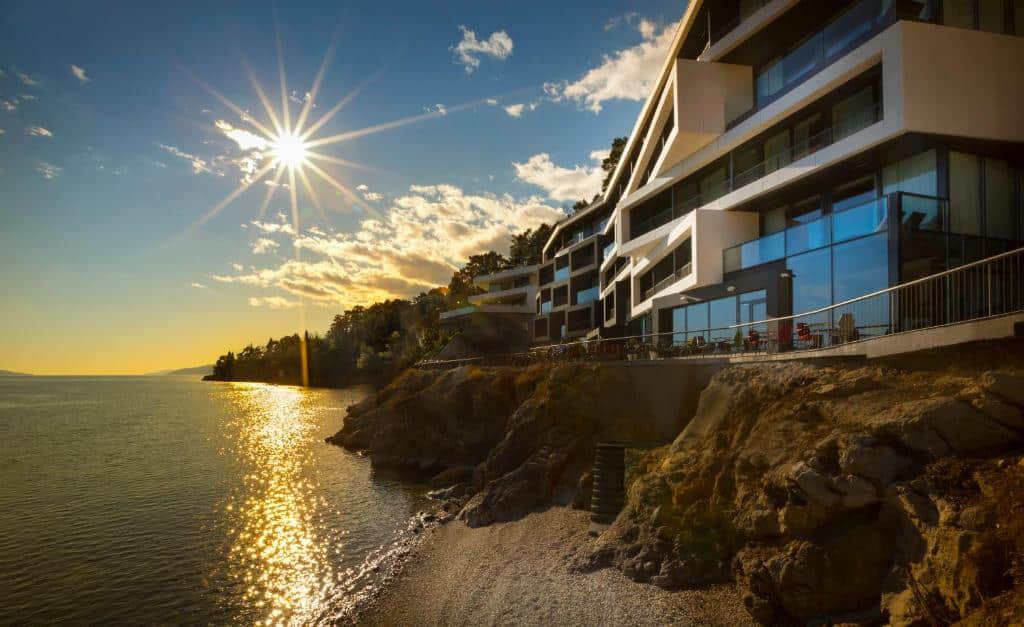
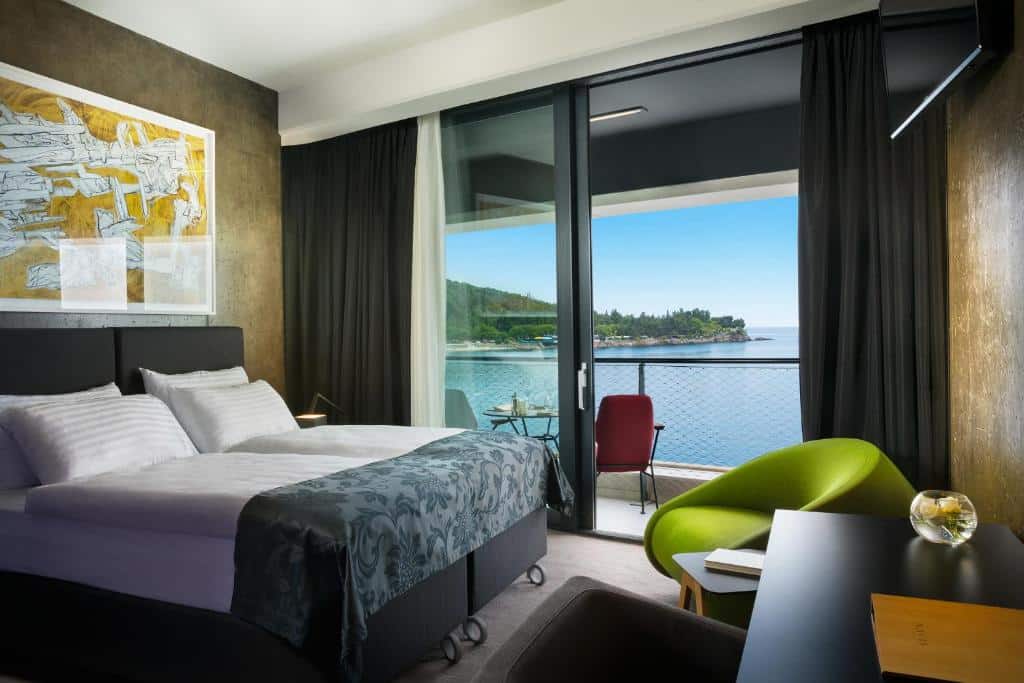
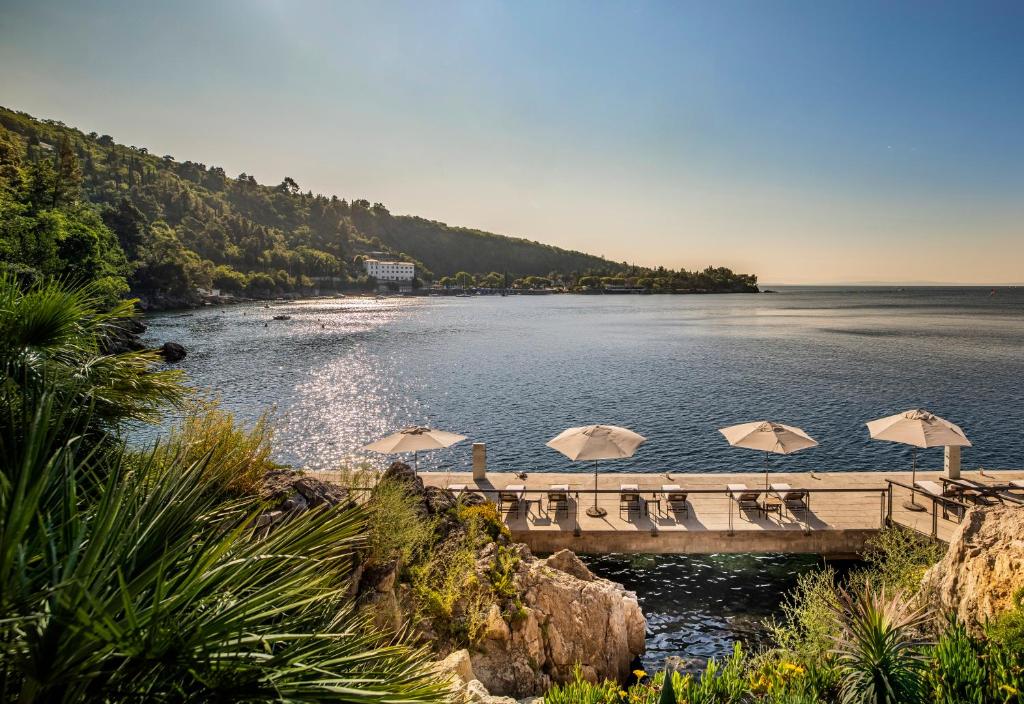
Located above the Adriatic between Rijeka and Opatija is the Boutique & Design Hotel Navis. Guests consistently praise the hotel’s sea views from every room, each featuring expansive terraces or balconies that make watching sunrise and sunset a daily delight. The property’s facilities cater to relaxation and well‑being with an outdoor pool, spa area with sauna and hammam, wellness services, and direct access to a private beach. Its on‑site restaurant and excellent breakfast receive frequent compliments for quality and variety. Thoughtful touches like free parking, 24‑hour reception, and modern design interiors mixes sophistication with laid‑back Adriatic charm.
Dream Fiumara Apartments
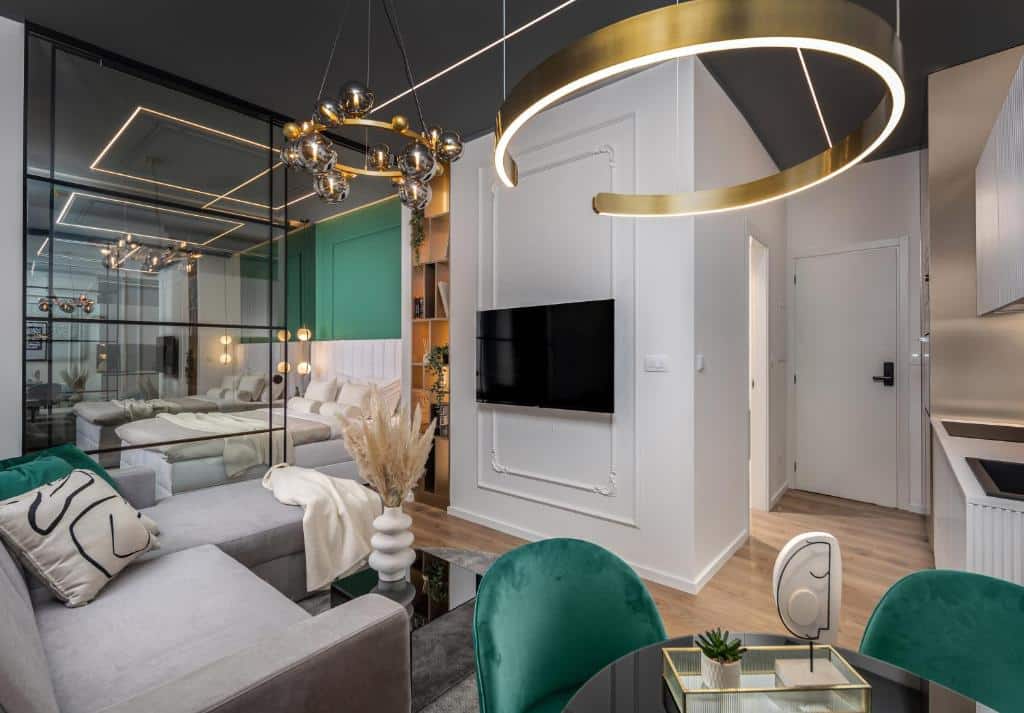
Located in the heart of Rijeka’s city centre, Dream Fiumara Apartments has become a favourite choice for visitors looking for a comfortable and convenient base while exploring the city. Guests consistently praise its excellent central location. The apartments themselves are modern, clean, and fully equipped with amenities such as air‑conditioning, free Wi‑Fi, a well‑appointed kitchenette, private bathroom, and washing machine. They are ideal for both short stays and longer city trips. Reviewers highlight the attentive hosts and smooth self check‑in process, noting that the warm welcome and thoughtful touches make them feel right at home.


Hilton Rijeka Costabella Beach Resort And Spa
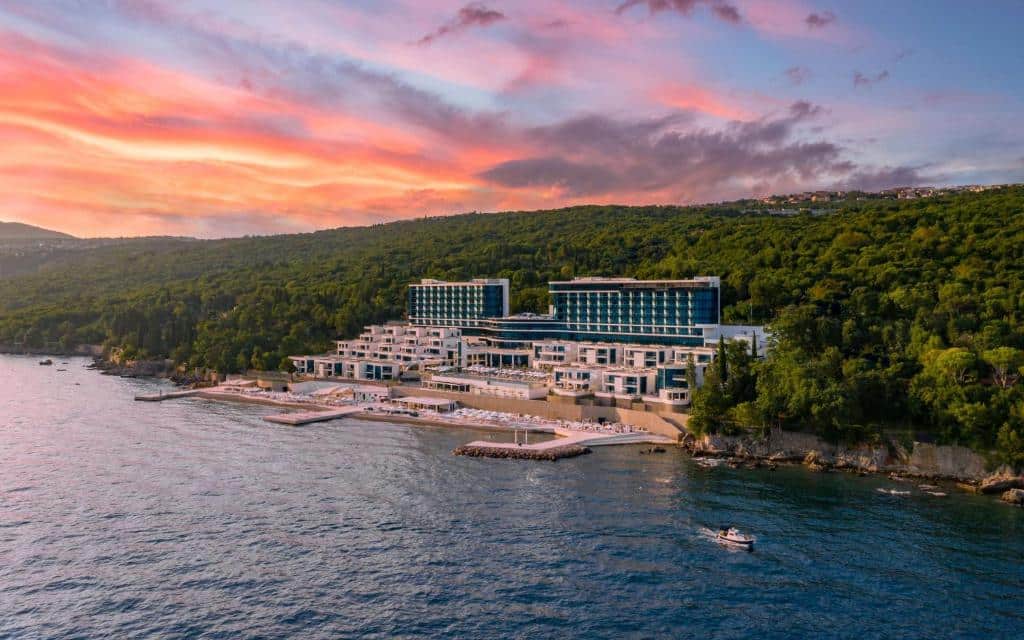
The Hilton Rijeka Costabella Beach Resort and Spa is widely loved by guests for combining luxury with stunning sea views and abundant amenities. Visitors consistently praise the resort’s spectacular location overlooking the Kvarner Bay. Every room, suite, or villa comes with a balcony or terrace that frames bright blue waters and coastal panoramas. The property’s well‑designed facilities include multiple heated swimming pools, a long pebble beach for sunbathing and water sports, and a three‑floor Spa & Health Club. They have saunas, hot and cold pools, and wellness treatments for relaxation. The hotel has six restaurants and lounges, including a highly regarded fine‑dining option, generous breakfast, fitness classes, and family‑friendly spaces such as kids’ pools and a children’s club.


Best budget travel tips for Rijeka
Exploring Rijeka doesn’t have to break the bank. With affordable food, free attractions, and smart ways to get around, travellers can enjoy the city’s culture, history, and seaside charm on a budget.
Use Public Transport or Walk
Rijeka is compact and walkable, with most attractions within the city centre. For destinations farther out, the local buses are affordable and frequent. Walking not only saves money but also lets you discover hidden streets, local cafés, and street art.
Eat Like a Local
Skip the tourist-heavy restaurants along Korzo and the waterfront. Instead, try local konobas (family-run eateries) or bakeries for traditional dishes like fritule (small doughnuts) or fresh seafood at lower prices. Markets like Placa also have cheap and fresh snacks.


Free and Low-Cost Attractions
Many of Rijeka’s highlights, like Korzo promenade, Trsat hill views, and Riva waterfront, are free to enjoy. Walking tours of the old town or exploring the city’s street art are also free and provide a great sense of the city’s history and culture.
Visit Museums on Discount Days
Check for discounted or free admission days at Rijeka’s museums, such as the Maritime and History Museum or the Museum of Modern & Contemporary Art. Some museums have free entry for students, seniors, or on the first Sunday of the month.
Stay in Budget-Friendly Accommodation
Rijeka has a range of budget options, including hostels, guesthouses, and Airbnb apartments. Staying slightly outside the city centre can lower costs, while public transport or a short walk still keeps you close to attractions.
Best luxury travel tips for Rijeka
For travellers interested in comfort and elegance, Rijeka has a range of luxurious experiences. From boutique hotels and gourmet dining to private tours and seaside indulgence, the city can be enjoyed in style.
Stay in a Seafront Boutique Hotel
Choose a luxury hotel along the Riva promenade or near the Kvarner Bay for stunning sea views and elegant accommodations. Boutique hotels often combine historic architecture with modern amenities.
Dine at Gourmet Restaurants
Experience Rijeka’s culinary scene at upscale restaurants specializing in fresh Adriatic seafood, Istrian truffles, and international cuisine. Pair your meals with local wines from the Croatian coast for a full gourmet experience.
Private Guided Tours
Book a private guide for a personalized tour of Rijeka’s historic sites, including Trsat Castle, the Cathedral of St. Vitus, and the old town. A luxury guide can provide insider stories, access to hidden spots, and a personal itinerary that matches your interests.
Charter a Private Boat
Explore the Kvarner Bay in style by renting a private boat or yacht. Cruise to nearby islands like Krk or Rab, enjoy swimming in secluded coves, and take in panoramic coastal views away from the crowds.
Wellness and Spa Experiences
Indulge in high-end wellness experiences at Opatija’s luxury spas, just a short drive from Rijeka. Many resorts have thermal treatments, massages, and beauty rituals that combine relaxation with spectacular sea views.

Best sustainable travel tips for Rijeka
Rijeka is a city where history, culture, and the Adriatic coast come together, and it’s possible to explore it responsibly. By making eco-conscious choices, travellers can reduce their impact while still enjoying the city’s streets, markets, and natural surroundings. Sustainable travel in Rijeka means supporting local businesses, protecting the environment, and embracing authentic experiences.
Use Public Transport or Walk
Skip taxis and private cars when possible. Rijeka is compact and easy to explore on foot, and its local buses are affordable and energy-efficient. Walking or cycling also lets you discover hidden streets and local life in a low-impact way.
Support Local Businesses
Eat at family-run konobas, buy souvenirs from local artisans, and shop at the Placa market. Choosing local businesses helps the community thrive and reduces the environmental cost of imported goods.
Choose Eco-Friendly Accommodation
Stay at hotels or guesthouses that follow sustainable practices, such as energy-efficient systems, recycling programs, or locally sourced amenities. Many boutique hotels in Rijeka prioritize environmental responsibility.
Bring a Reusable Water Bottle and Bag
Reduce plastic waste by carrying a refillable water bottle and reusable shopping bag. Many cafés and public fountains in Rijeka allow free refills, making it easy to stay hydrated.
Respect Nature and Heritage Sites
When visiting Trsat Castle, Riva promenade, or nearby parks, stick to marked paths, avoid littering, and respect local wildlife. Responsible behaviour makes sure that Rijeka’s natural and cultural attractions remain beautiful for future visitors.

Foods to try in Rijeka
Rijeka’s culinary scene is a delightful mix of coastal Adriatic flavours and Central European influences. Seafood lovers will enjoy fresh fish, squid, and calamari prepared simply with olive oil and herbs, often caught the same day from the Kvarner Bay. Don’t miss local specialties like šurlice, a type of homemade pasta, or fuži with truffles, reflecting the Istrian influence nearby. Sweet treats like fritule; small, fried dough balls dusted with sugar are perfect for a snack while exploring the city. Pair your meals with locally produced wines or craft beers, and you’ll experience Rijeka’s authentic flavours in every bite.
Best time to visit Rijeka
The best time to visit Rijeka is from late spring to early autumn (May to September), when the weather is warm, sunny, and ideal for exploring the city and nearby coastal areas. Summer (July–August) brings lively festivals, cafés, and an outside seaside atmosphere, though it can be busier with tourists. For a quieter experience with mild temperatures, late spring (May–June) or early autumn (September) is perfect. It is pleasant weather for sightseeing, walking along the Riva promenade, or enjoying day trips to nearby islands and national parks.

How to get to Rijeka
Rijeka is well-connected and easy to reach by various modes of transport. By air, Rijeka Airport (about 30 km from the city centre) offers seasonal flights from major European cities, with shuttle buses or taxis to the city. Rijeka links to other Croatian cities by train like Zagreb and Split, as well as international routes from Slovenia and Italy. By bus, regular services connect Rijeka with nearby towns, Istria, and neighbouring countries. If you prefer driving, the city is accessible via the A6 highway from Zagreb or the coastal Adriatic road and comes with scenic views along the way. For travellers coming from Italy, ferries from nearby ports like Trieste provide a picturesque Adriatic crossing to Rijeka and its surrounding islands.

Highlights in Croatia
Croatia is an interesting destination where history, stunning islands, and breathtaking natural landscapes come together. In Split visitors can explore the ancient Diocletian’s Palace, stroll along the lively Riva promenade, and hike up Marjan Hill for panoramic views of the city and the Adriatic Sea. A short drive away, the UNESCO-listed town of Trogir enchants with its cobblestone streets, medieval architecture, and charming waterfront cafés. The nearby Čiovo Island has quiet beaches, scenic coves, and excellent swimming and cycling opportunities.
Further north along the coast, Zadar invites travellers to enjoy its Roman and Venetian ruins, including the Roman Forum and St. Donatus Church. There are unique modern attractions like the Sea Organ and Sun Salutation, which mix art and nature in a truly memorable way.
To the south, Dubrovnik, the “Pearl of the Adriatic,” captivates with its medieval city walls, bustling Stradun, and historic landmarks such as Rector’s Palace and Dubrovnik Cathedral. Island-hopping from Split, Trogir, Zadar, or Dubrovnik reveals gems like Hvar, known for its fragrant lavender fields and picturesque harbours. Nature lovers can explore Plitvice Lakes National Park and Krka National Park, where cascading waterfalls, emerald rivers, and beautiful landscapes create unforgettable experiences.


This Post Has 2 Comments
Thanks for the travel info. I’m prepared for my visit now in a few weeks.
Chrissy
That’s wonderful to hear, Chrissy! 😊 I’m so glad the info was helpful. You’re going to love exploring and seeing all the history and architecture in person, it’s truly unforgettable. Safe travels and enjoy every moment of your trip! 🌍✈️