

Krka National Park is located in the heart of the Dalmatian region in Croatia. This park is stunning natural destinations. Famous for its cascading waterfalls, crystal-clear rivers, and scenic walking trails. The park has a unique combination of nature, culture, and history. From the iconic Skradinski Buk waterfall to the peaceful Krka Monastery. You can explore diverse landscapes, historic sites, and wildlife. Whether you are planning a day trip from Split, Šibenik, or Zadar, this complete guide covers everything you need to know about Krka National Park. Including the best time to visit, how to get there, ticket information, and the must-see highlights.

Table of Contents
About the Krka National Park
Krka National Park is one of Croatia’s most impressive natural areas, located in central Dalmatia near the historic town of Šibenik. The park is named after the Krka River and is known for a series of dramatic waterfalls, clear pools, and wooden boardwalks that lead you through green landscapes. The most famous area is Skradinski Buk. This is a large waterfall system surrounded by walking paths and viewpoints. In addition to its scenery, the park protects an unique ecosystem with diverse plant and bird species. The park is an important site for nature conservation in Croatia.
Covering an area of more than 100 square kilometres, Krka National Park has several marked walking routes, viewpoints, and boat-accessible locations. You can explore historic sites such as medieval fortresses, old watermills, and the Krka Monastery. Swimming is no longer allowed in the waterfalls. This helps to preserve the natural environment, but the park remains a popular destination for day trips from Šibenik, Split, and Zadar. With its mix of waterfalls, cultural heritage, and easy-to-follow trails, Krka National Park is a must-visit destination when you are close.

Highlights of Krka National Park
The highlights of Krka National Park extend well beyond its famous waterfalls and have a varied experience of nature and history. Skradinski Buk remains the visual centrepiece, where cascades flow over limestone barriers into wide pools surrounded by wooden walkways and panoramic viewpoints. Further upstream, waterfalls such as Roški Slap and Manojlovački Slap reveal a quieter and more rugged side of the park. Here are fewer crowds and impressive river canyons. Cultural landmarks add depth to the visit, including traditional watermills, the remains of medieval fortresses, and the Krka Monastery. Combined with boat trips, scenic walking routes, and abundant birdlife, these highlights make Krka National Park a balanced destination for travellers interested in landscapes, history, and slow exploration.


Activities at Krka National park
Visitors to Krka National Park can enjoy a variety of activities that mix nature, culture, and adventure. Walking and hiking are the most popular ways to explore the park, with well-marked trails and wooden boardwalks that lead through forests, past waterfalls, and along the riverbanks. Boat tours provide a scenic alternative, allowing travellers to reach more remote parts of the park. This includes the historic island of Visovac with its centuries-old monastery. Photography and birdwatching are popular for nature enthusiasts. The park is home to numerous species of birds, plants, and freshwater life. While swimming in the waterfalls is no longer permitted to protect the environment, visitors can still relax by the riverside, enjoy picnic areas, or take guided tours to learn about the park’s ecology and history.
Places to stay at around Krka National Park
Finding the right place to stay can make your visit to Krka National Park even more enjoyable. From charming guesthouses in Skradin to modern apartments near the marina. The area offers a range of accommodations that suit different budgets and travel styles. Many options are conveniently located close to the park’s entrances or provide easy access to boat trips. This allows you to explore waterfalls, trails, and historic sites with minimal travel time.
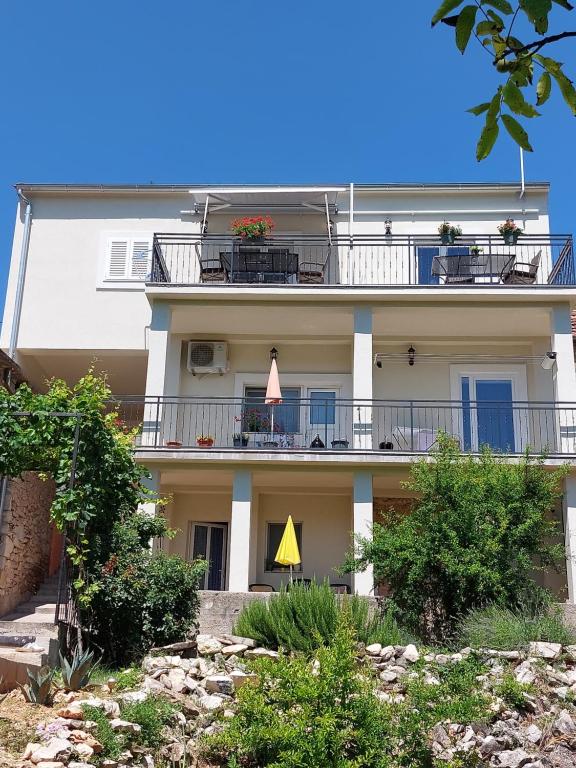
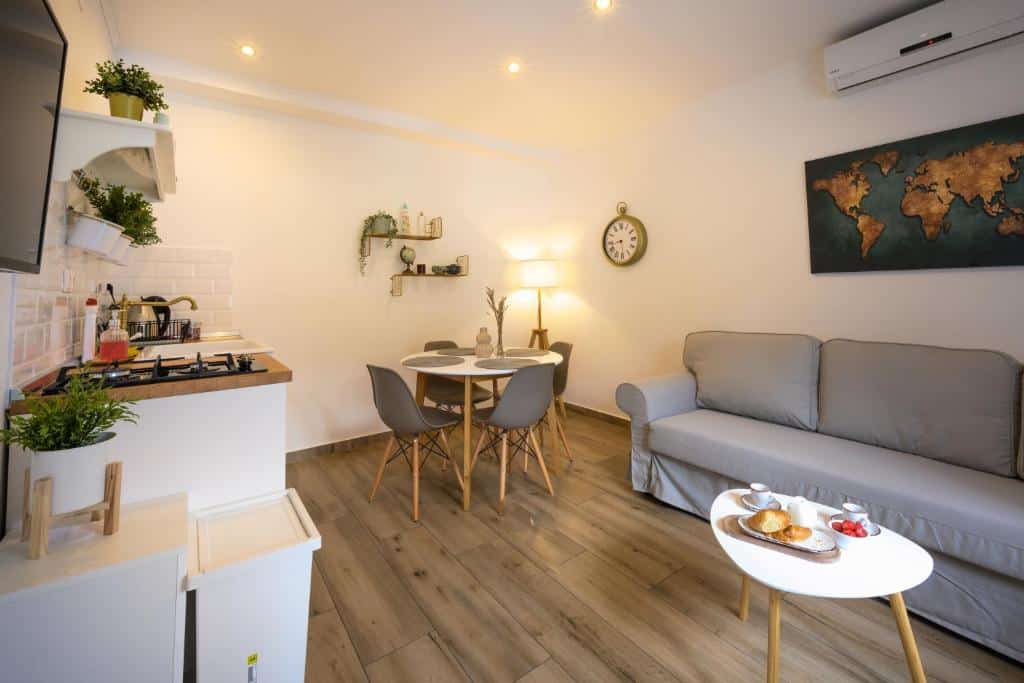
Gold Apartments
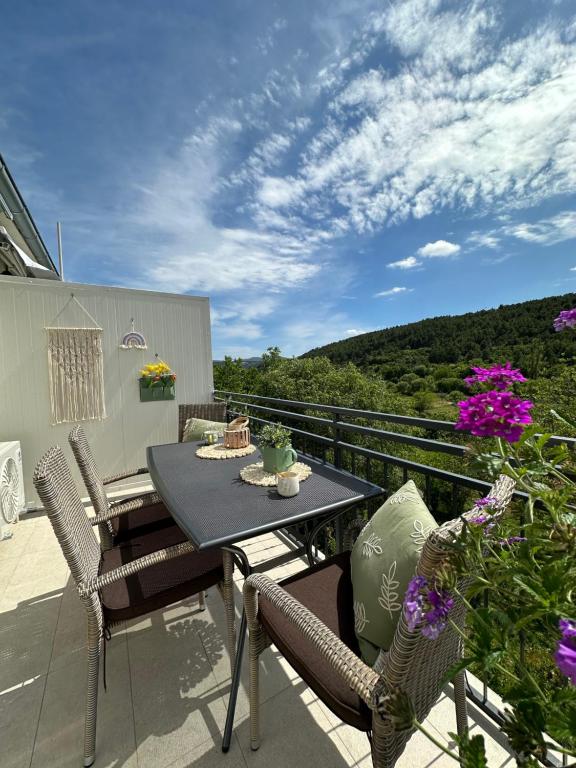
Staying at Gold Apartments is frequently highlighted by guests as one of the best accommodation choices when visiting Krka National Park. Reviewers consistently praise its exceptional cleanliness, modern and comfortable rooms with private bathrooms and balconies. Many visitors note the warm and hospitable hosts, who go the extra mile with personal touches such as welcome treats, fresh fruit, or helpful local tips.
Guests also appreciate the quiet, scenic setting in Skradinsko Polje, just a short drive from the town of Skradin and ideally situated for exploring Krka’s waterfalls, trails, and historic sites without sacrificing convenience.

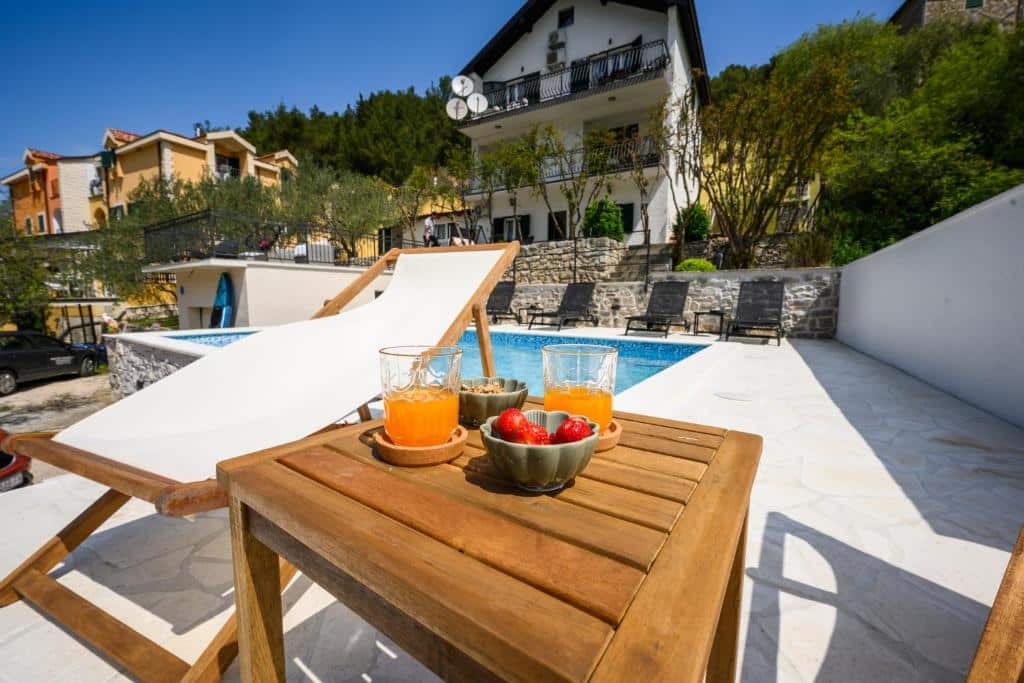
Mila and Jurija Formenti 2 apartments with heated swimming pool
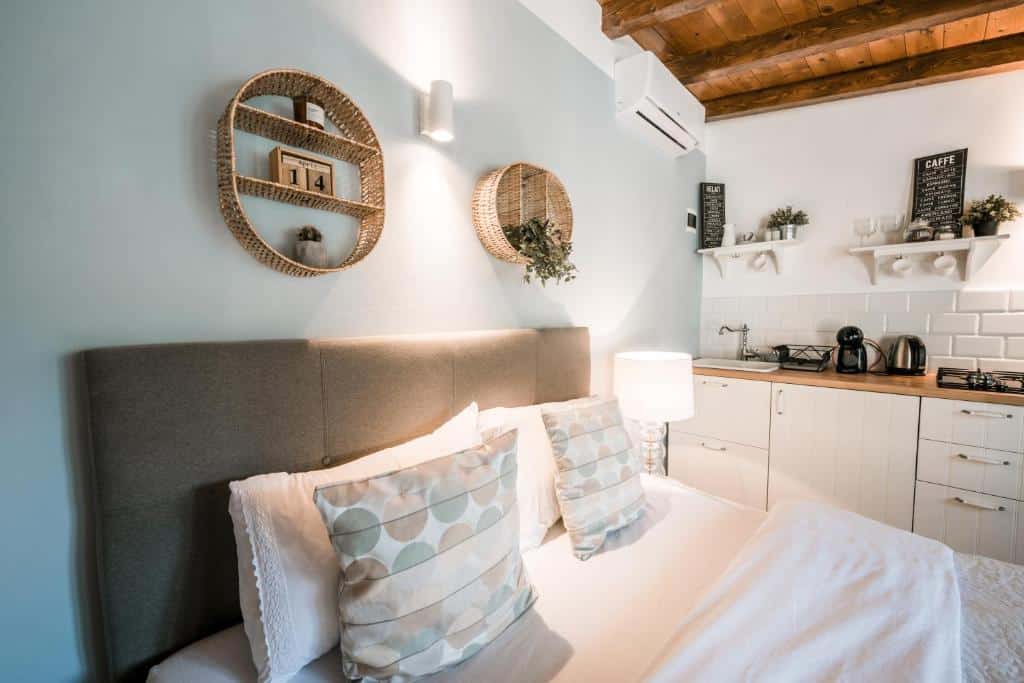
Staying at Mila and Jurija Formenti 2 apartments is a highly rated choice for travellers looking for comfortable and scenic accommodation near Krka National Park. Guests consistently praise the excellent location right by the marina. It places you within easy walking distance of cafés, restaurants, and the ferry departure points for park excursions. It is an ideal base for exploring the waterfalls and the historic town of Skradin. Visitors highlight the modern, clean apartments with thoughtful amenities such as air conditioning, free Wi‑Fi, and a fully equipped kitchen. But what stands out most is the range of leisure facilities available. There is a seasonal heated swimming pool, free bicycles, kayaks, and stand‑up paddleboards that allow you to enjoy the waterfront setting and local outdoor activities.
Visovac Rooms
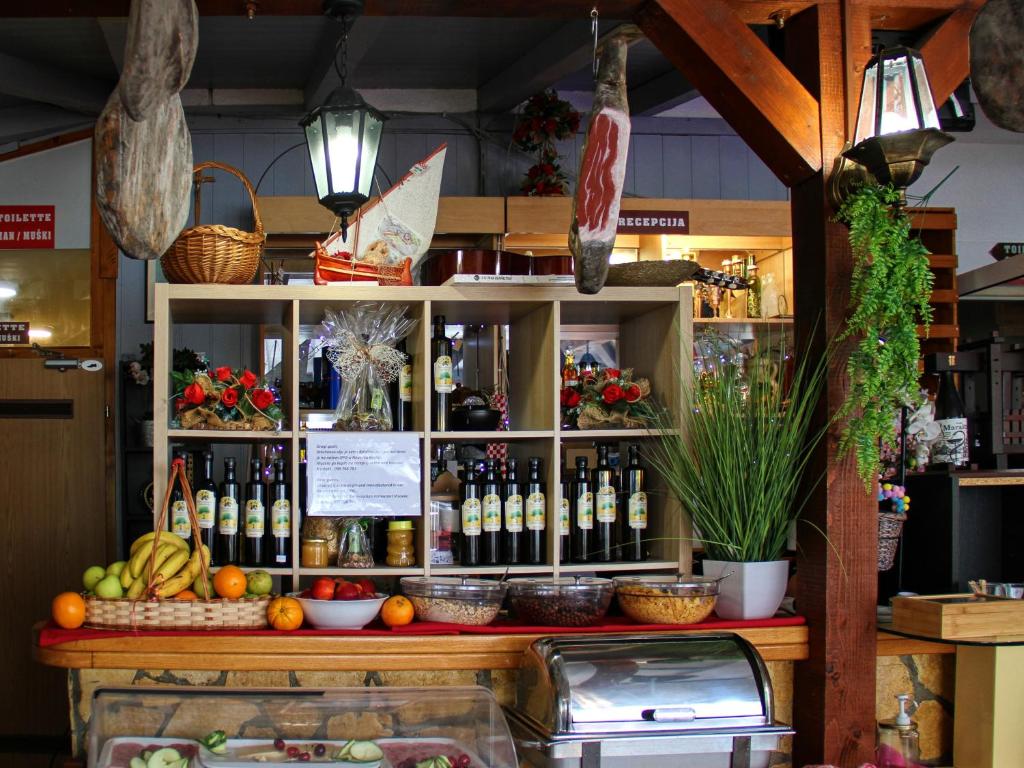
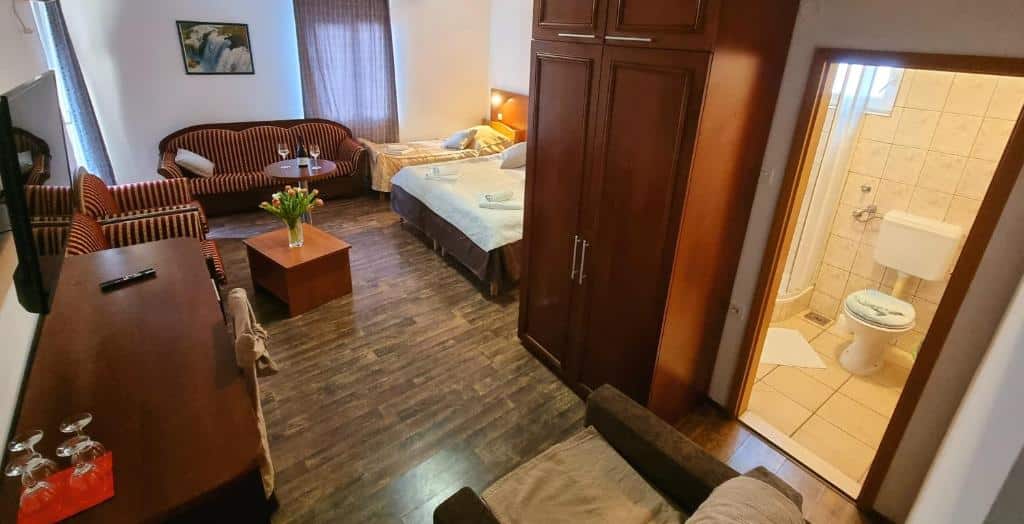
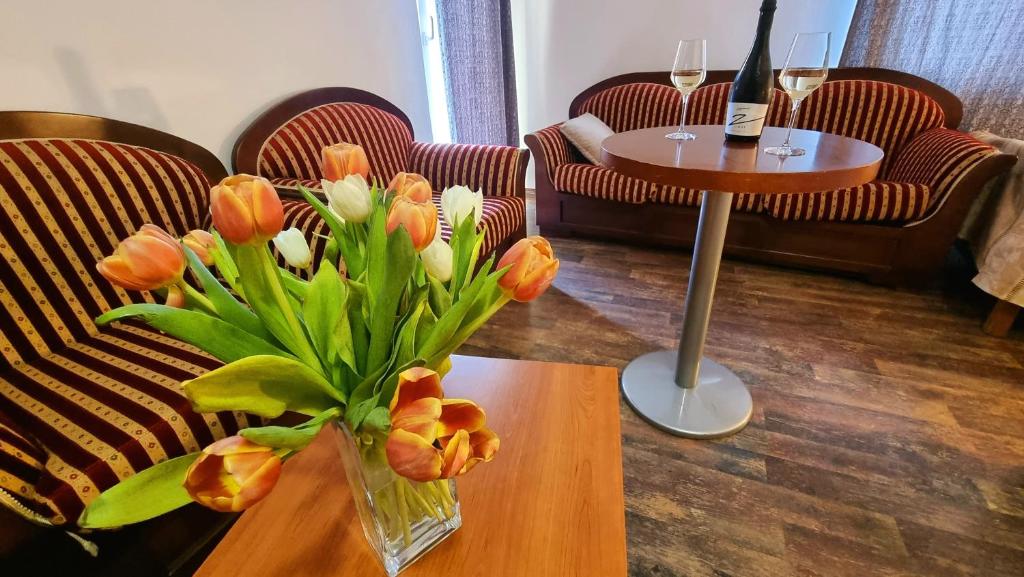
Staying at Visovac Rooms in Skradin is a favourite choice among travellers visiting Krka National Park thanks to its superb location, friendly hospitality, and comfortable accommodations. Guests often highlight how easy it is to walk from the property to the boat piers and local transport links that take you into the park. Reviews consistently praise the clean, spacious rooms with private bathrooms, air conditioning, and free parking on site, along with thoughtful touches like balconies or terraces that overlook the town. Many visitors also commend the warm and attentive hosts, who frequently provide helpful local tips, generous breakfasts with homemade items.
How to get tickets
You can purchase tickets at the official Krka National Park website and at the park entrances. The easiest and most recommended option is to buy your ticket online in advance. Especially during the high season (June to September). Online tickets allow you to skip long queues, secure your preferred entry date, and include a QR code or printable ticket that you present at the entrance or boarding point.
If you prefer, you can also buy tickets in person on arrival at one of the official entrances such as Skradin, Lozovac, Roški slap/Laškovica, or Burnum/Puljane. At these reception desks, you can pay by card or cash, and receive a ticket valid for access to the park. Ticket types include full-park entry as well as section-specific tickets for certain areas, such as Roški slap and nearby trails.
A standard ticket generally includes entry to the main sites and, from April to October, boat transport from Skradin to Skradinski Buk or bus transfers from Lozovac. There are special boat excursions, for example to Visovac or other waterfalls, but they require an additional fee.
Tips for visitors:
- Book online in advance during peak months to avoid long lines and sold-out dates.
- Keep your ticket confirmation on your phone or printed to enter quickly.
- Some visitors also hike or bike to the park from nearby entry points and purchase tickets on-site.


How to get to Krka National Park
Krka National Park is easily accessible from several cities in Croatia. It is a popular destination for day trips. The main entrances are located near Skradin, Lozovac, and Roški slap, each offering different access points to the park’s waterfalls and trails. From Šibenik, the park is just a 20–30 minute drive. From Split it takes about 1.5 hours, and from Zadar around 1–1.5 hours by car. Many visitors choose to drive, as this provides flexibility to explore different sections of the park at their own pace.
For those relying on public transport, buses regularly connect Šibenik, Split, and Zadar with Skradin. From the bus stop you can either walk to the park or take a short boat ride to Skradinski Buk. Some travel companies also offer organized tours and shuttle services, combining transport and park entry for convenience. Once inside, wooden boardwalks, trails, and park signage make it easy to navigate between the waterfalls, viewpoints, and historic sites.


Best time to visit Krka National Park
The best time to visit Krka National Park is during the spring (April to June) and early autumn (September to October). The weather is pleasant, the waterfalls are flowing strongly, and the park is less crowded than in peak summer. Summer (July and August) brings hot temperatures and large crowds, especially on weekends, which can make walking along the boardwalks and enjoying viewpoints more hectic. Visiting on a weekday rather than the weekend is highly recommended for a calmer experience and better photo opportunities.
In terms of time of day, early morning or late afternoon visits are ideal. Arriving soon after the park opens allows you to enjoy the waterfalls and trails with fewer visitors. The late afternoon offers softer light for photography and a more peaceful atmosphere along the rivers and viewpoints. Planning your visit around these times and seasons make sure you have a more enjoyable experience, combining comfortable weather, flowing waterfalls, and a quieter park environment.


Highlights in Croatia
Croatia is a stunning destination that mixes historic cities, beautiful islands, and breathtaking natural landscapes. In Split, visitors can explore the ancient Diocletian’s Palace, stroll along the lively Riva promenade, and hike up Marjan Hill for panoramic views of the city and the Adriatic Sea. Just a short drive from Split is the UNESCO-listed town of Trogir. The city charms with its cobblestone streets, medieval architecture, and waterfront cafés. The nearby Čiovo Island has quiet beaches, scenic coves, and excellent opportunities for swimming and cycling.
Dubrovnik is the “Pearl of the Adriatic” and captivates with its medieval city walls, the bustling Stradun, and historic landmarks such as Rector’s Palace and Dubrovnik Cathedral. A cable car to Mount Srđ provides spectacular views of the old town and the surrounding coastline. Island-hopping from Split, Trogir, or Dubrovnik allows visitors to discover gems like Hvar with its fragrant lavender fields, Brać with the iconic Zlatni Rat beach, and Korčula with its charming medieval streets. Croatia’s natural beauty extends to the Plitvice Lakes and Krka National Park.

