
I visited Stockholm, Sweden’s beautiful capital, and was impressed by its historic streets, stunning waterfronts, and culture. In this travel guide, I’m sharing my tips and experiences to help you make the most of your visit. From the charming alleys of Gamla Stan to world-class museums, royal palaces, and scenic islands, here are 10 essential places to see in Stockholm that show the city’s history, art, and unique Scandinavian charm.
This article is also featured on GPSmyCity. To download this article for offline reading or create a self-guided walking tour to visit the attractions highlighted in this article, go to Walking Tours and Articles in Stockholm.

Table of Contents
History of Stockholm
Stockholm’s history dates back to the 13th century, when it was founded as a fortified trading settlement by Birger Jarl. Its strategic location on a series of islands between Lake Mälaren and the Baltic Sea allowed it to control trade routes and protect inland Sweden from naval attacks. From the beginning, Stockholm developed as an important commercial hub, attracting merchants from across the Hanseatic League, particularly from Germany. They strongly influenced the city’s early architecture, governance, and culture.
Middle Ages
During the late Middle Ages, Stockholm became the political and economic centre of Sweden. One of the most dramatic moments in its history occurred in 1520 with the Stockholm Bloodbath. The Danish King Christian II ordered the execution of Swedish nobles following his coronation. This event fuelled resistance and directly contributed to Sweden’s independence from Denmark under Gustav Vasa in 1523. Under Vasa’s rule, Stockholm was established as the permanent capital of Sweden and began its transformation into a centralized royal city.
Swedish Empire
In the 17th century, Stockholm flourished during the Swedish Empire era. The city expanded rapidly as Sweden developed as a major European power. Grand palaces, government buildings, and churches were constructed, particularly on Riddarholmen and around the Royal Palace. This period also marked the development of Stockholm as an administrative and cultural centre. But the wars and fires periodically disrupted growth.
The 18th and 19th centuries brought significant change. After losing its status as a great power, Sweden started a period of reform and modernization. Stockholm changed from a royal city into an industrial and cultural capital. New neighbourhoods were built, public institutions expanded, and infrastructure improved, including ports, railways, and public housing. The city also became a centre for science, education, and the arts.
Urban planning
In the 20th century, Stockholm adopted modern urban planning while carefully preserving its historic core. Progressive social policies, functionalist architecture, and environmental planning shaped the city’s development. Today, Stockholm is known for successfully mixing medieval streets, royal heritage, and modern design across its islands. Its history remains visible in districts such as Gamla Stan, Södermalm, and Östermalm. The city is not only Sweden’s capital but also a living timeline of Scandinavian history.

Highlights to visit in Stockholm
Stockholm is a city of islands, history, and Scandinavian culture. There is a mix of medieval streets, royal palaces, world-class museums, and scenic waterfronts. From the charming alleys of Gamla Stan to the green spaces of Djurgården. The city’s highlights show its history, artistic heritage, and modern lifestyle, making it a must-visit destination in Sweden.
Gamla Stan (Old Town)
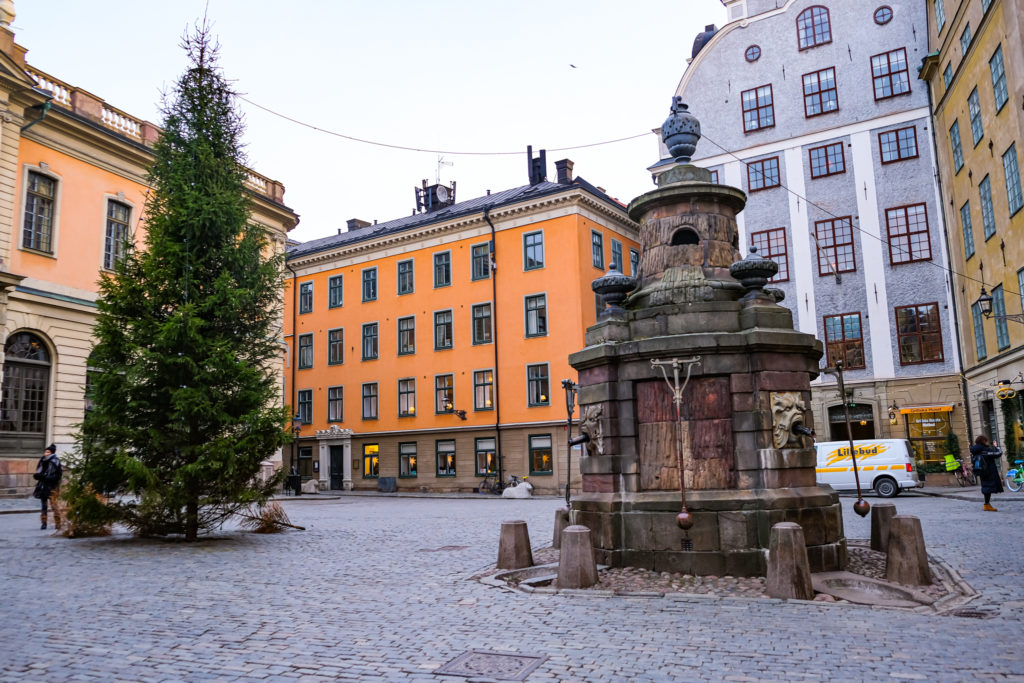
Gamla Stan is the historic heart of Stockholm, known for its narrow cobblestone streets, colourful medieval buildings, and lively squares. This area dates back to the 13th century and is home to major landmarks such as Stortorget, Stockholm Cathedral, and the Royal Palace. Walking through Gamla Stan gives you a clear sense of the city’s medieval origins and royal past.
The Royal Palace (Kungliga Slottet)
One of the largest royal palaces in Europe is the Royal Palace. It is the official residence of the Swedish monarch. It houses several museums, including the Royal Apartments and the Treasury, where the crown jewels are displayed. The daily changing of the guard is a popular attraction and reflects Sweden’s long-standing monarchy.
Vasa Museum
The Vasa Museum displays the Vasa warship, which sank on its maiden voyage in 1628 and was salvaged more than 300 years later. Remarkably preserved, the ship provides insight into 17th century naval engineering and life during the Swedish Empire. It is one of Scandinavia’s most visited museums.
Djurgården Island
Djurgården is a green island dedicated to culture, museums, and outdoor activities. In addition to the Vasa Museum, it is home to Skansen, ABBA The Museum, and scenic walking paths along the water. The island is a peaceful contrast to the city centre and is ideal for both sightseeing and to relax.
Skansen Open-Air Museum
Skansen is the world’s oldest open-air museum and presents traditional Swedish life through historic buildings, workshops, and costumed staff. Visitors can explore rural houses from different regions of Sweden and see native Nordic animals. It also plays an important role in preserving Swedish traditions and seasonal festivals.
Stockholm City Hall (Stadshuset)
Stockholm City Hall is one of the city’s most recognizable landmarks, famous for its red-brick façade and towering spire. Inside, the Blue Hall hosts the annual Nobel Prize banquet, while the Golden Hall has shimmering mosaics depicting Swedish history. Guided tours give access to these ceremonial spaces.
Södermalm
Södermalm is one of Stockholm’s trendiest districts. It is known for its creative atmosphere, independent shops, and panoramic viewpoints. Areas such as Monteliusvägen provide some of the best views over Gamla Stan and Lake Mälaren. The neighbourhood also reflects the city’s modern, alternative culture.
Fotografiska Museum
Fotografiska is a contemporary photography museum with rotating exhibitions by international and Swedish photographers. Located in a former industrial building on Södermalm’s waterfront, it combines art, social commentary, and design. The museum’s café and restaurant are also known for their city views and sustainable focus.
Stockholm Archipelago
The Stockholm Archipelago consists of around 30,000 islands stretching into the Baltic Sea. Easily accessible by ferry, it has opportunities for island-hopping, hiking, swimming, and experiencing traditional seaside villages. The archipelago highlights Stockholm’s close relationship with nature.
Östermalm & Strandvägen
Östermalm is an elegant district characterized by wide boulevards, upscale shopping, and historic buildings. Strandvägen is the most famous avenue and runs along the waterfront and is surrounded with grand 19th century architecture. The area reflects Stockholm’s more refined and aristocratic side.

Daytrips from Stockholm
Stockholm is surrounded by charming towns, historic sites, and natural landscapes. The area is perfect for day trips. Whether you want to explore royal palaces, wander through medieval streets, or enjoy peaceful forests and islands. There are plenty of destinations just a short journey from the city. These excursions are a chance to experience Sweden’s history, culture, and natural beauty beyond the capital.
Drottningholm Palace
Located on Lovön island, just outside central Stockholm, Drottningholm Palace is a UNESCO World Heritage Site. It is the private residence of the Swedish royal family. The palace complex includes an elegant Baroque garden, an English-style landscape park, and a beautifully preserved 18th century court theatre. It gives you valuable insight into Sweden’s royal history and architecture.
Sigtuna
Sigtuna is Sweden’s oldest town, situated about 45 minutes north of Stockholm. Founded in the late 10th century, it played an important role during the Viking Age and early Christianization of Sweden. Today, visitors can explore rune stones, medieval church ruins, and a charming town centre along Lake Mälaren.
Vaxholm
Often referred to as the gateway to the Stockholm Archipelago, Vaxholm is a picturesque coastal town known for its colourful wooden houses and historic fortress. Vaxholm Fortress once protected Stockholm from naval attacks and now functions as a museum. The town is a popular starting point for archipelago boat trips.
Tyresta National Park
Tyresta National Park is located southeast of Stockholm and protects one of southern Sweden’s largest areas of untouched forest. The park has ancient pine trees, tranquil lakes, and well-marked hiking trails suitable for day hikes. It provides a striking contrast to the city and shows Sweden’s commitment to nature conservation.

A suggested three day itinerary
Stockholm is a perfect mix of history, culture, and natural beauty. It is ideal for a three-day visit. This itinerary highlights the city’s top attractions, from medieval streets and royal palaces to world-class museums and scenic islands.
First day: Explore the Heart of Stockholm
- Morning: Start in Gamla Stan (Old Town), wandering its cobblestone streets, colourful buildings, and Stortorget square. Visit Stockholm Cathedral and the Royal Palace, including the daily changing of the guard.
- Afternoon: Head to Djurgården Island and enjoy a visit to the Vasa Museum or Skansen Open-Air Museum. Take a relaxing stroll along the waterfront and through the green spaces.
- Evening: Have dinner in Gamla Stan or Södermalm and enjoy the charming atmosphere of Stockholm’s historic districts.
Second day: Art, Culture, and City Views
- Morning: Visit Fotografiska Museum on Södermalm for contemporary photography exhibitions. Take in panoramic city views from nearby viewpoints like Monteliusvägen.
- Afternoon: Explore Östermalm, including Strandvägen and the upscale boutiques. Optionally, stop by Östermalm Market Hall for traditional Swedish food.
- Evening: Take a sunset walk along the waterfront or enjoy a canal cruise to see the city from the water.
Third day: Day Trip or Nature Escape
Evening: Return to Stockholm and enjoy a final dinner at a waterfront restaurant, taking in the city’s night atmosphere.
Option 1: Drottningholm Palace: Explore the UNESCO-listed palace, its gardens, and court theatre. It’s about a 40-minute journey from central Stockholm.
Option 2: Stockholm Archipelago: Take a ferry to nearby islands like Vaxholm or Fjäderholmarna, enjoying scenic villages, nature, and local seafood.
Option 3: Tyresta National Park: Hike through ancient forests and lakes for a nature-filled escape just outside the city.


Where to stay in Stockholm
Stockholm offers a wide range of accommodation options to suit every traveller. From luxury boutique hotels and historic palaces to modern city-centre hotels and cozy guesthouses. Whether you prefer to stay in the bustling heart of the city, the charming old town, or on a peaceful island with scenic views. Stockholm has something to match your style, budget, and travel plans. This paragraph highlights some of the best places to stay for a memorable visit to the Swedish capital.
Hotel Skeppsholmen, Stockholm, a Member of Design Hotels
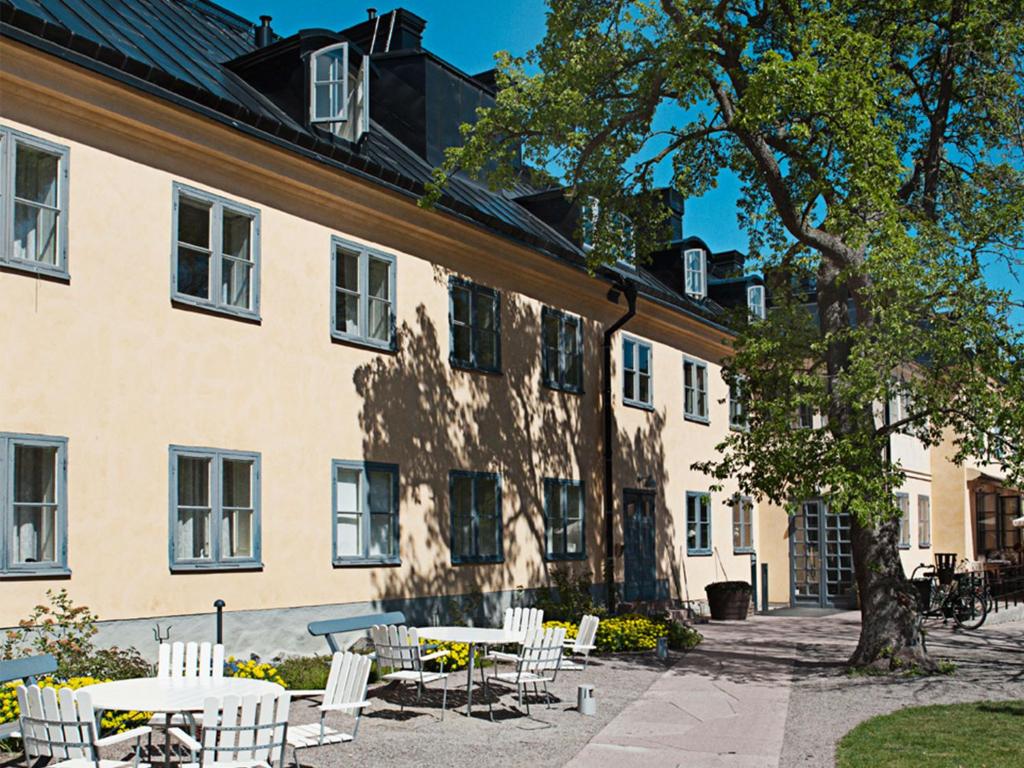
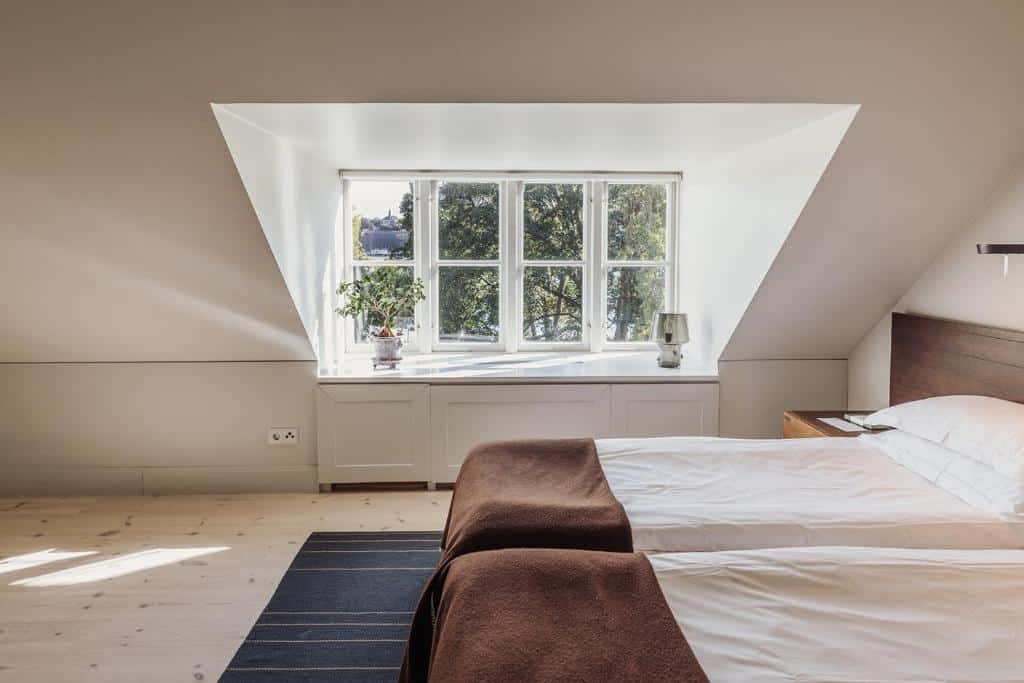
Hotel Skeppsholmen, Stockholm, a Member of Design Hotels is a highly regarded boutique hotel set on the peaceful island of Skeppsholmen. The hotel combines historic charm with contemporary Scandinavian design. Housed in a beautifully preserved 17th century building, the hotel has elegantly furnished rooms with views over the park or waterfront. Guests particularly praise its exceptional location: a tranquil island setting just a short bus, ferry, or walk from Gamla Stan and central Stockholm. The friendly, attentive staff and well‑liked restaurant serving classic Swedish cuisine are consistently highlighted in reviews. Many travellers also note the hotel’s atmosphere as an “urban oasis” and return repeatedly because of its relaxed ambiance, stylish design, and excellent base for exploring Stockholm.
Hotel Rival
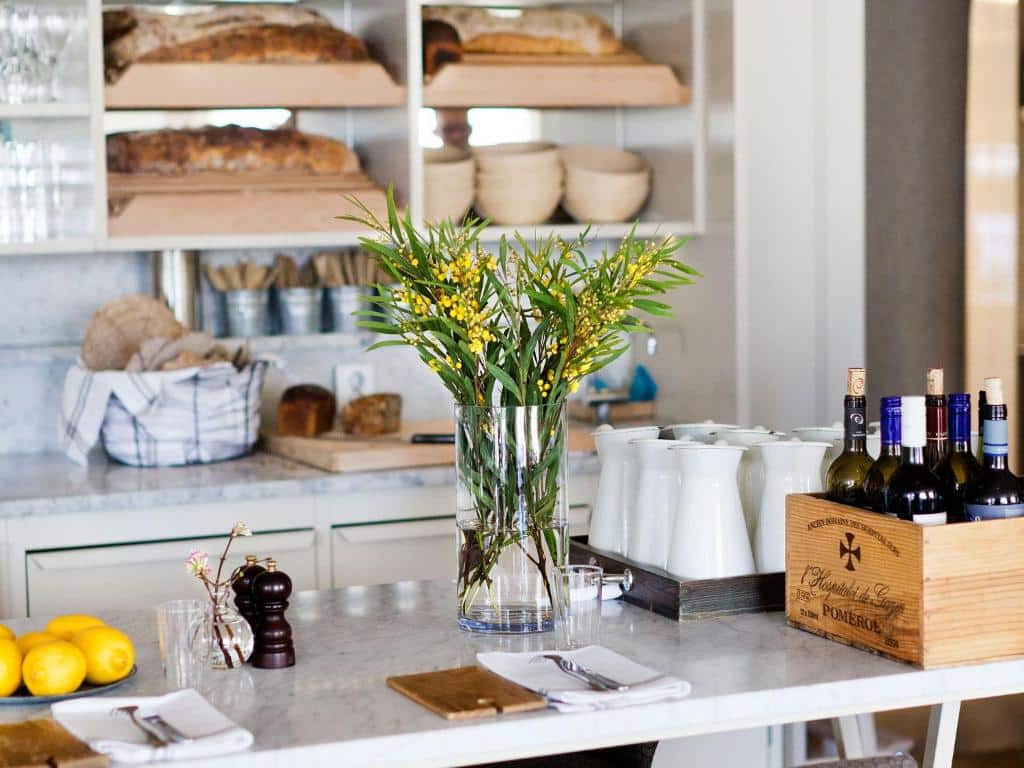
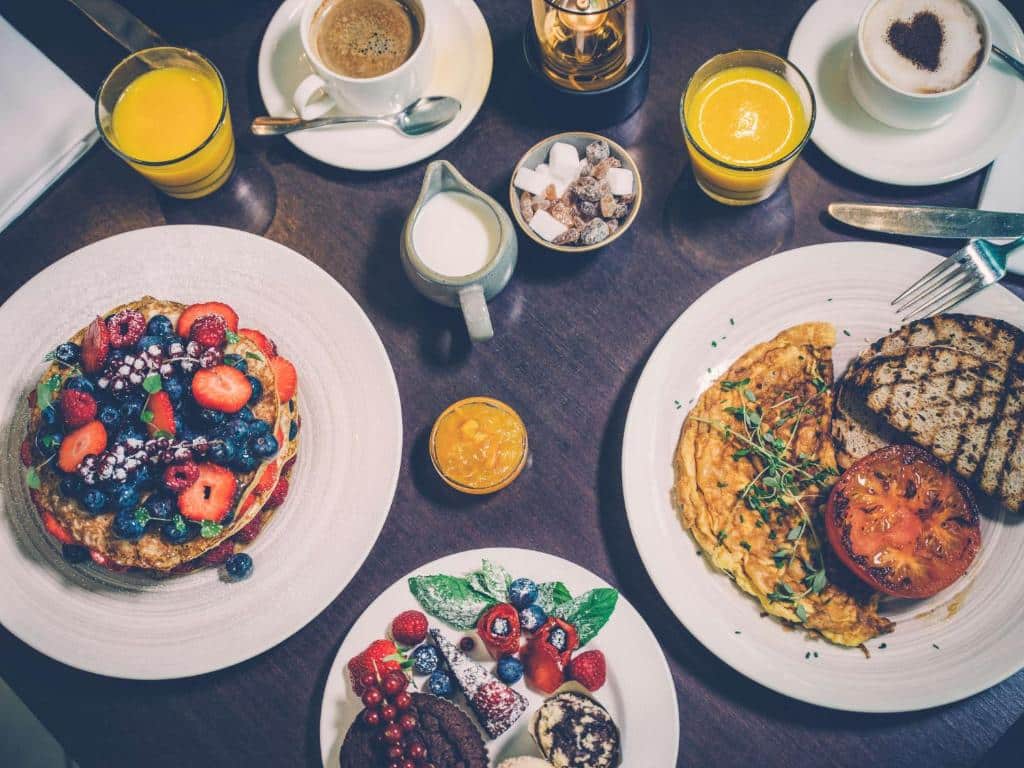
Hotel Rival in Stockholm’s vibrant Södermalm district is a celebrated boutique hotel that guests frequently recommend for its central location, stylish design, and warm service. Situated in a historic Art‑Déco building at Mariatorget Square, the hotel has elegant, comfortable rooms with luxury touches like Egyptian cotton sheets, a pillow menu, and free tea, coffee, and biscuits available throughout the day. Reviewers consistently highlight the excellent breakfast with varied options, strong coffee, and made‑to‑order elements, as well as the friendly and attentive staff whose service makes travellers feel at home. The on‑site bistro and stylish bar contribute to a social yet relaxed experience that guests appreciate after exploring the city. Overall, guests describe Hotel Rival as a comfortable, well‑located base with great food and personalized service that improve their stay in Stockholm.
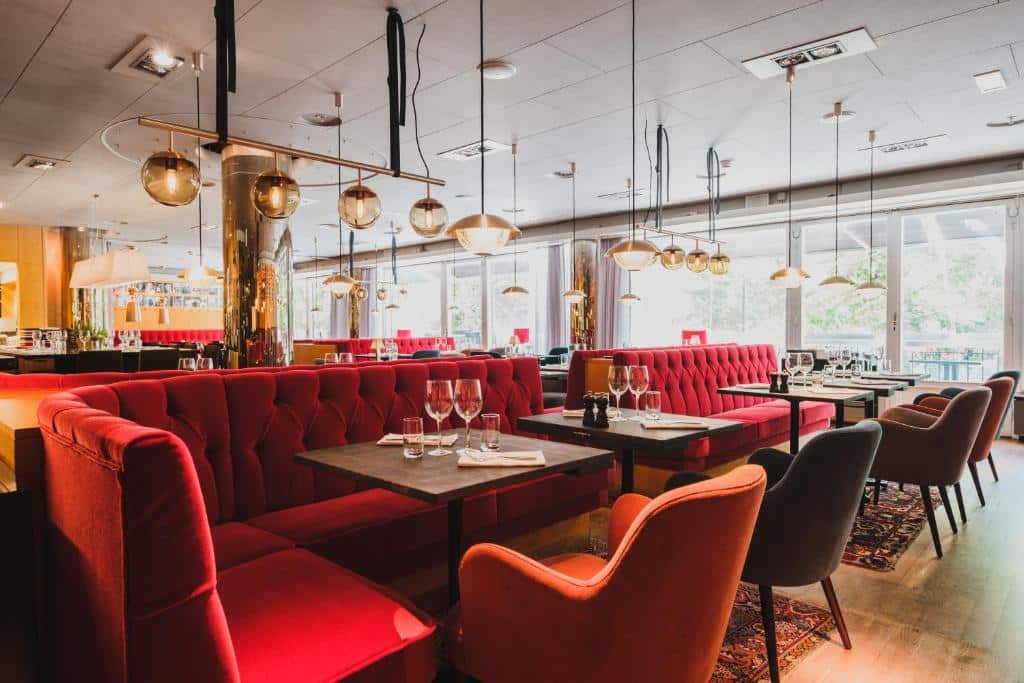
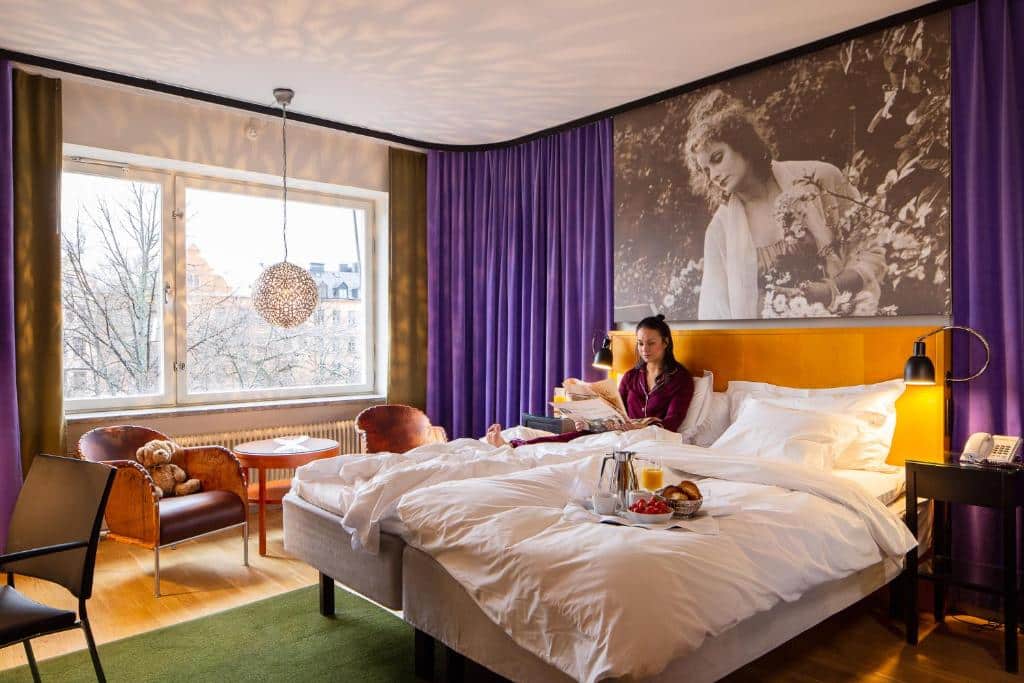
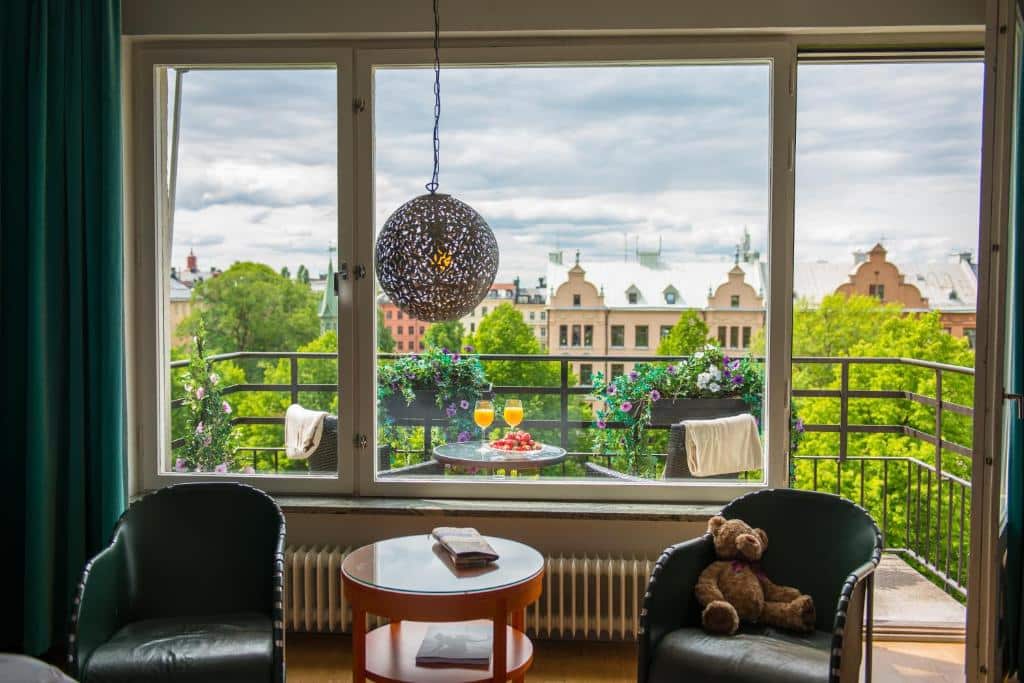
Radisson Blu Waterfront Hotel, Stockholm
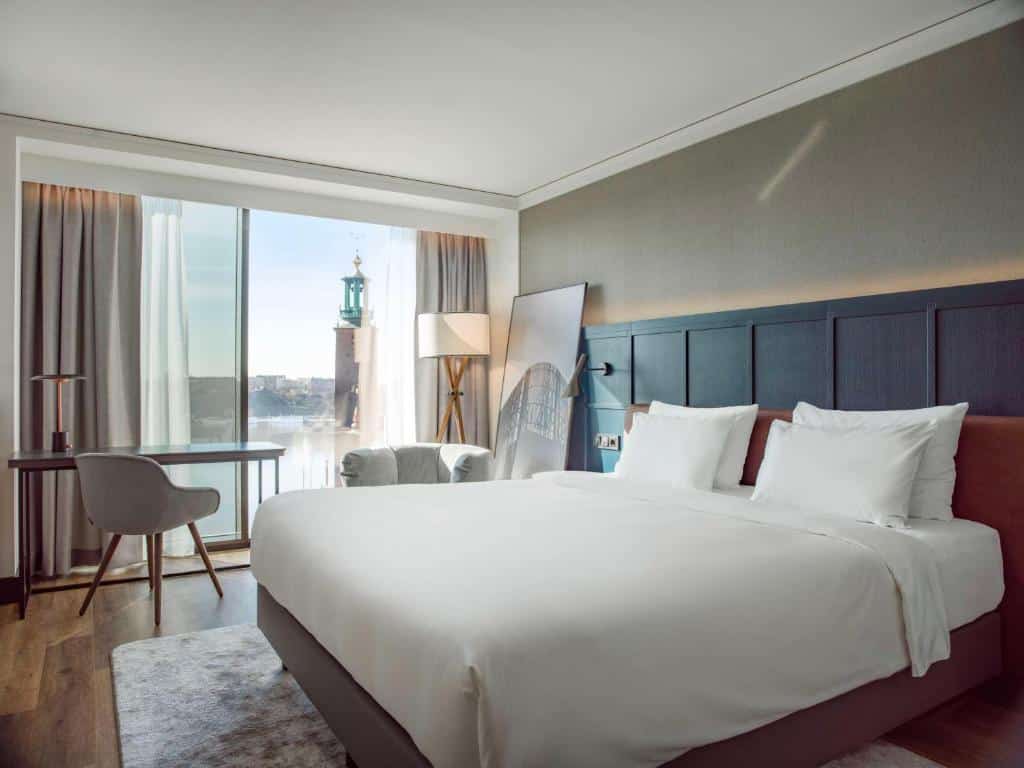
Radisson Blu Waterfront Hotel, Stockholm is a highly rated, modern hotel in the heart of Stockholm that guests repeatedly recommend for its exceptional location, comfort, and service. Situated adjacent to Stockholm’s Central Station and the Waterfront Congress Centre, the hotel provides convenient access to public transport, shopping areas and the Old Town (Gamla Stan).
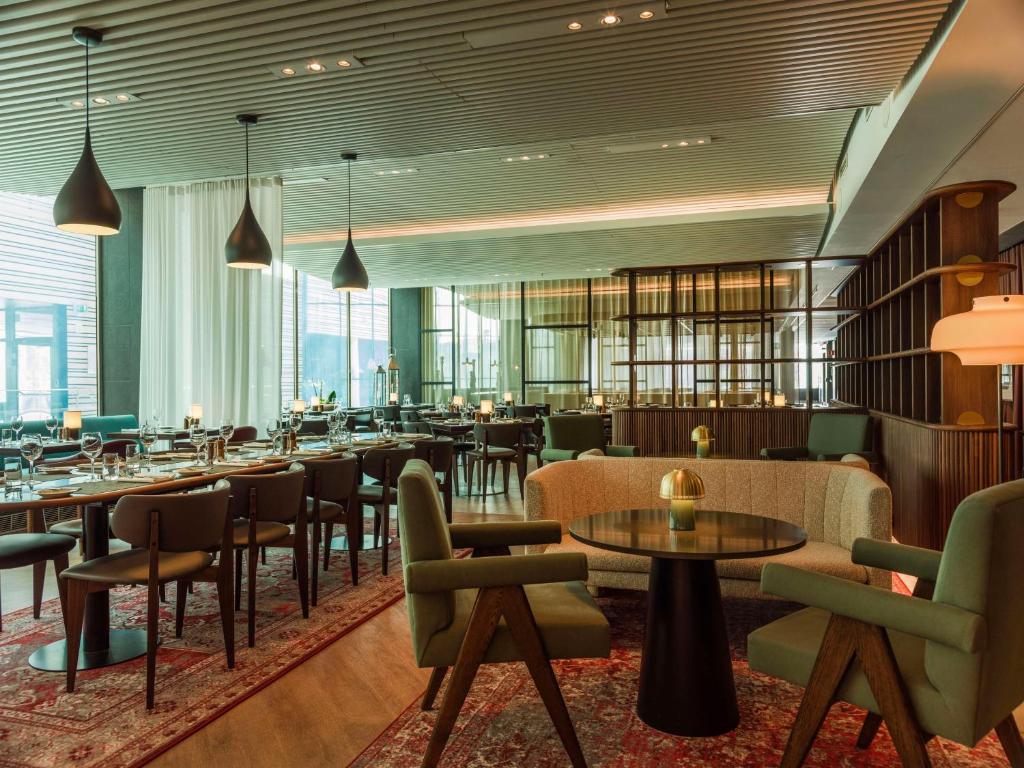
Guests like the spacious, well‑appointed rooms with comfortable beds, modern décor, and many have views over the city or water. The breakfast buffet is frequently described as excellent, with a wide selection that sets a positive tone for the day. The friendly, professional staff are commended for helpful service throughout the stay. On‑site amenities include a restaurant and bar serving Swedish and international dishes, free Wi‑Fi, and facilities such as a fitness centre.
Best time to visit Stockholm
The best time to visit Stockholm is from late May to early September, when the weather is mild, the days are long, and the city comes alive with outdoor events, festivals, and street life. Summer has the warmest temperatures, ideal for exploring Gamla Stan, strolling along waterfronts, or taking boat trips in the archipelago. Late spring (May–June) is particularly pleasant, with fewer crowds and blooming parks. Early autumn (September) comes with crisp air, beautiful fall colours, and lower hotel rates. Winters can be cold and dark, but they offer a magical atmosphere for those who enjoy festive Christmas markets and snowy cityscapes.
How to get to Stockholm
Stockholm is easily accessible by air, train, bus, and car, making it convenient for travellers from around the world. The main international gateway is Stockholm Arlanda Airport (ARN), located about 40 minutes north of the city centre. There are regular flights from Europe, North America, and Asia. From the airport, you can take the Arlanda Express train, which reaches central Stockholm in about 20 minutes. Or use airport buses, taxis, and ride-sharing services.
For travellers coming from within Sweden or neighbouring countries, the city is well connected by high-speed trains to cities like Gothenburg, Malmö, and Copenhagen, with tickets bookable via Omnio. Long-distance and regional buses also serve Stockholm, arriving at the central bus terminal near the train station. For those driving, well-maintained highways lead directly into the city, and ferries connect Stockholm with Finland and the Åland Islands, providing scenic alternatives for arrival.
How to get around in Stockholm
Getting around Stockholm is convenient thanks to its efficient and well-connected public transport system, which includes metro (Tunnelbana), buses, trams, commuter trains, ferries, and even bikes. The Tunnelbana (metro) is the fastest way to travel between districts, with trains running frequently and decorated with unique art at many stations. Buses and trams cover areas that the metro doesn’t reach, while commuter trains provide access to suburbs and nearby towns. Stockholm’s ferry system connects the city’s islands and is a scenic way to explore areas like Djurgården or the archipelago. For shorter trips, city bikes and e-scooters are widely available and easy to rent. Tickets are integrated across all modes of transport, and you can purchase them via the SL app, making it simple to navigate the city efficiently.


This Post Has 2 Comments
Nu ik de post over Stockholm heb gelezen, wil ik er meteen (terug) naartoe 🙂
I like to go back to. Let me know when you are going and I will join you.. .P