

If you’re dreaming of a trip that mixes adventure, spirituality, and untouched landscapes, Laos is the perfect destination. Unlike its Southeast Asian neighbours, Laos invites you to slow down, breathe in the mountain air, and experience travel at a gentler pace. In this 3-week itinerary, I’ll guide you through misty river valleys, golden Buddhist temples, jungle-covered villages, and island sunsets on the Mekong. From dramatic karst cliffs in Vang Vieng to the sacred calm in Luang Prabang, the Bolaven Plateau’s waterfalls to the laid-back vibes of Don Det. This ultimate itinerary in Laos is ideal for travellers who want to immerse themselves in nature, culture, and meaningful local experiences. Without rushing it.
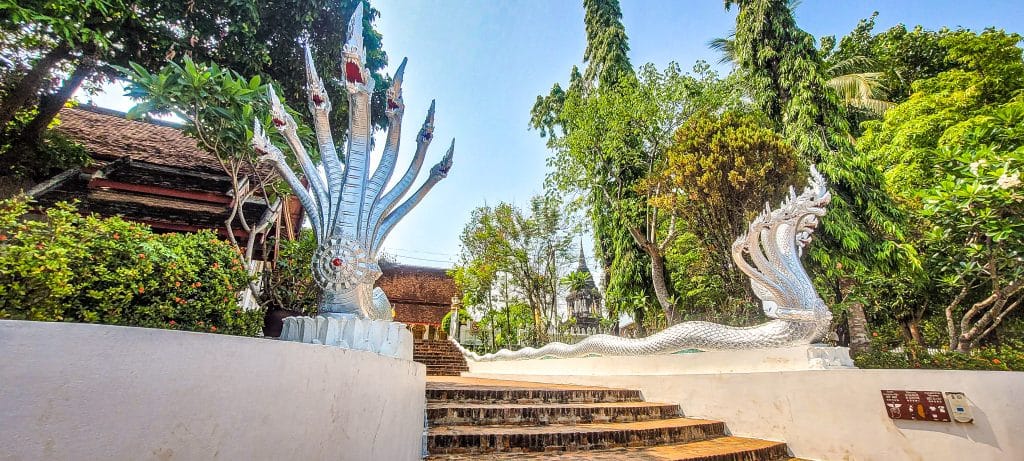
Table of Contents
History of Laos
Laos has a long and complex history shaped by ancient kingdoms, colonial rule, and modern change. The earliest known kingdom in the region was Lan Xang, or “Land of a Million Elephants.” It was founded in the 14th century. It became a powerful and influential Buddhist kingdom, stretching across much of present-day Laos and parts of Thailand. Over time, internal conflict and invasions led to its division into smaller kingdoms. In the late 19th century, Laos became a French colony as part of French Indochina. This significantly influenced its infrastructure and administration. After gaining independence in 1953, the country entered a long period of political instability. The result was the Laos Civil War and the rise of the Lao People’s Democratic Republic in 1975. Today, Laos is a peaceful nation known for its Buddhist heritage, traditional lifestyle, and efforts to balance development with cultural preservation.
Why travel Laos for 3 weeks?
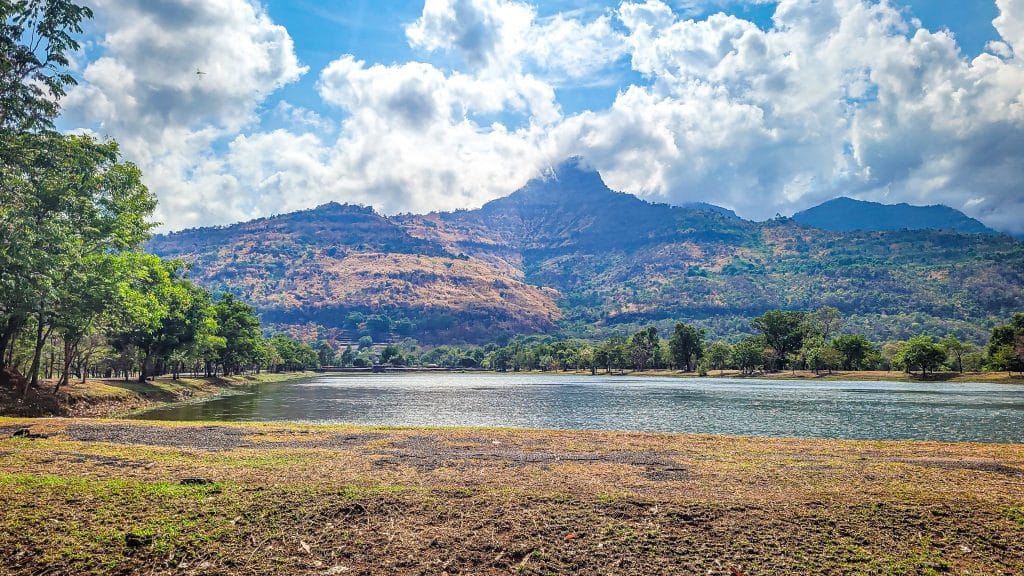
If you’re looking for a destination that’s authentic, affordable, and full with natural beauty, Laos should be at the top of your list. I was blown away by the peaceful pace of life, the warm hospitality of the people, and the stunning landscapes. From misty mountains and jungle-covered temples to waterfalls and remote river villages. Unlike more touristy parts of Southeast Asia, Laos still feels raw and untouched in the best way possible. I loved waking up to the sound of monks chanting in Luang Prabang, hiking through rice fields in Nong Khiaw, and watching the sunset over the Mekong in Don Det. If you crave slow travel, traditional culture, and meaningful experiences, Laos will steal your heart like it did mine.
Week 1: Vientiane to Vang Vieng & Luang Prabang
I started my Laos adventure in Vientiane. I crossed the border from Thailand and went to Vientiane to directly take the minivan to Vang Vieng. The drive is a scenic 4–5 hour ride through hills and limestone cliffs. The road conditions are not great, but the views more than made up for it.
I spent 4 full days in Vang Vieng, and honestly, I could’ve stayed longer. It’s a paradise for nature lovers and adrenaline seekers. On my first day, I rented a scooter and drove through green rice paddies to Blue Lagoon 4. This lagoon is a great swimming spot and I relaxed under the trees. Day two was all about adventure. I joined a kayaking tour down the Nam Song River and explored stunning caves like Tham Nam (Water Cave) and Tham Chang.
One of my favourite experiences was watching the sunrise from the top of Nam Xay Viewpoint. The steep hike was worth every sweaty step. And if you’re feeling bold, don’t miss the hot air balloon ride at sunset. I visited a few lagoons and done a few other hiking points. Like the button below to find out more things to do in Vang Vieng.
On day five, I took a minivan to Luang Prabang, which took around 5–6 hours. The journey was a bit bumpy, but I didn’t mind. I was already dreaming about the temples, waterfalls, and peaceful charm of my next stop.
I arrived in Luang Prabang just before sunset, and the first thing I noticed was how peaceful and elegant the town felt. It’s no wonder it’s a UNESCO World Heritage Site with its golden temples, faded French villas, and monks in saffron robes. Every corner feels like a postcard.
Week 2: Luang Prabang & Nong Khiaw
I spent four days in Luang Prabang. You can start with a slow morning watching the almsgiving ceremony, where monks collect rice and offerings from the locals. This quiet ritual at sunrise is a powerful reminder of how deeply rooted Buddhism is in daily life here.
Of course, no visit is complete without a trip to Kuang Si Falls. The turquoise pools were even more magical in real life. Also in Luang Prabang I hired a scooter so I was able to go around myself. Back in town, I climbed Mount Phousi for sunset views over the Mekong and strolled through the night market where you can shop for local crafts and silk scarves. If you like to know more about highlights to visit in and around Luang Prabang, than click the button below.

Nong Khiaw
After four amazing days in Luang Prabang I headed north to Nong Khiaw. This is a tiny riverside village about 4–6 hours away by minivan. The moment I arrived, I felt like I’d discovered one of Laos’s best-kept secrets. Surrounded by dramatic limestone cliffs and jungle-covered peaks, this quiet town is perfect to relax. I stayed in a guesthouse overlooking the Nam Ou River, and I spent my days hiking to Viewpoint Nang None, taking a boat trip to the nearby village of Muang Ngoi, and enjoying lazy afternoons in a hammock.
Nong Khiaw is the kind of place where time slows down. I loved being offline, surrounded by mountains and the gentle sounds of the river. After a few days of hiking, reading, and recharging, I was ready to head back south and continue my journey toward the waterfalls and islands of southern Laos. Click the button below to find out about the places to visit in and around Nong Khiaw.
Week 3: Pakse, Bolaven Plateau & Don Det (4000 Islands)
After a few tranquil days in Nong Khiaw, I took a minivan back to Luang Prabang and spent one more night in the town. It was the perfect chance to enjoy a final evening stroll along the Mekong, grab a delicious bowl of khao soi, and take in the spiritual atmosphere one last time. The next morning, I caught a flight to Pakse, the gateway to southern Laos and a totally different side of the country.
I based myself in Pakse for a couple of nights to explore the Bolaven Plateau, a green, elevated region known for its coffee plantations, cool climate, and dramatic waterfalls. I rented a scooter and spent two amazing days riding the Bolaven Plateau loop, stopping at places like Tad Fane, a twin waterfall plunging into a deep gorge, and Tad Yuang, where you can swim at the base of the falls. The cool mountain air was such a refreshing contrast to the heat in the lowlands.
A day trip to Wat Phou
Visiting Wat Phou was one of the most unexpected highlights of my trip through southern Laos. This ancient Khmer temple complex is located just outside of Champasak and about an hour from Pakse. It is often referred to as Laos’s version of Angkor Wat. And for good reason. Set against the dramatic backdrop of Mount Phou Kao, the site has a mystical, almost otherworldly feel. I climbed up crumbling sandstone steps surrounded by frangipani trees, admired the shrines and weathered carvings dating back to the 11th century. The view from the upper sanctuary over the Mekong plain was breathtaking, especially in the late afternoon light. Wat Phou isn’t crowded, so at some moments it felt like I had the entire sacred space to myself. This was a rare and peaceful moment to connect with the ancient past of Laos.

Don Det
After the highlands, I headed even further south to Don Det. This island is one of the famous 4,000 Islands (Si Phan Don) in the Mekong River near the border of Cambodia. I took a bus and boat combo, and the journey is around 4–5 hours. When arriving on the island I felt like stepping into a dream. Life here moves at an incredibly slow pace. There are no cars, no big resorts, just bicycles, hammocks, palm trees, and river sunsets.
I spent three relaxing days on Don Det, staying in a riverside bungalow with a hammock out front. My days were filled with cycling around the island, visiting Don Khon to see the impressive Li Phi Falls, swimming, and watching some of the best sunsets I’ve ever seen. I also enjoyed the small cafés that serves homemade Lao curries, fruit shakes, and strong coffee with sweetened condensed milk.
By the end of week three, I felt completely recharged and deeply connected to Laos. The landscapes, the people, the rhythm of life. This final stretch of the trip was the perfect mix of adventure and pure relaxation, and I couldn’t imagine a better way to end my three-week journey through this incredible country.

What to pack for 3 weeks in Laos
Here’s a practical packing list for three weeks in Laos. It is designed for a mix of adventure, temples, waterfalls, and island life. It’s light, functional, and perfect for tropical weather and slow travel.
Essentials
- Backpack (40–50L): Comfortable, lightweight, and easy to carry
- Daypack: For hikes, city walks, and day trips
- Travel documents : Passport, printed copies, travel insurance, eVisa (if needed)
- Travel wallet: For keeping cash in kip, small change, and documents organized
- Dry bag: Essential for kayaking, waterfalls, and boat rides
Clothing
Pack light, breathable clothes suitable for humid and warm weather, with a few modest items for temples.
- 4–5 lightweight T-shirts or tank tops
- 2 pairs of shorts
- 2 pairs of lightweight trousers or loose pants
- 1 long-sleeve shirt (for sun or mosquitoes)
- 1 lightweight rain jacket or poncho (especially in rainy season, May–October)
- 1–2 dresses or skirts (modest length for temple visits)
- 1 swimsuit
- 1 sarong or scarf (covering shoulders in temples, also doubles as beach towel)
- 5–7 pairs of underwear + socks
- Sleepwear
- Comfortable walking sandals
- Lightweight hiking shoes (optional but useful in Nong Khiaw or Bolaven Plateau)
- Flip flops
Toiletries
- Toothbrush + toothpaste
- Shampoo & soap
- Deodorant
- Razor
- Travel towel (quick-dry)
- Nail clippers, tweezers
- Feminine hygiene products
- Sunscreen (reef-safe if possible)
- Mosquito repellent with DEET
- Basic makeup (if you wear it)
- Hand sanitizer & wet wipes
Health & First Aid
- Prescription meds
- Paracetamol/ibuprofen
- Imodium or activated charcoal (for stomach issues)
- Rehydration salts
- Plasters (band-aids)
- Antiseptic cream
- Motion sickness pills (for buses and boat rides)
Electronics
- Smartphone + charger
- Power bank
- Plug adapter (Laos uses types A, B, C, E, and F – best to bring a universal adapter)
- Headphones or earbuds
- Camera or GoPro (if you want to capture hikes and waterfalls)
- E-reader or book
Optional (but useful)
- Travel laundry kit or a bit of detergent
- Reusable water bottle (Laos has refill stations in tourist areas)
- Travel guidebook or offline Google Maps
- Packing cubes (for organization)
- Notebook or journal
- Hammock (for Don Det relaxation)
- Small lock (for lockers, very useful when you stay in hostels)

Transport tips for Laos
Getting around Laos can be an adventure in itself: bumpy roads, scenic routes, and some seriously slow travel. But that’s part of the charm. Here are my top tips to help you move smoothly through the country.
Minivans & buses
Minivans are the most common way to travel between major towns and tourist destinations like Luang Prabang, Vang Vieng, Nong Khiaw, and Pakse. They’re affordable, but often cramped and not great for those who get motion sickness. I always recommend booking in advance, especially during peak travel season.
Tip: Use 12Go to book bus, minivan, and train tickets online. It’s super reliable and lets you compare times, prices, and reviews all in one place.
Domestic flights
If you’re short on time, domestic flights are a great option. Especially for long distances like Luang Prabang to Pakse. Laos Airlines and Lao Skyway operate reliable routes. Flights are pricier than buses but save you a full day of bumpy travel.
Boat travel
In northern Laos, slow boat journeys along the Mekong River (especially from Huay Xai to Luang Prabang) are a popular and scenic alternative to overland travel. In the 4,000 Islands, small longtail boats take travellers between Don Det, Don Khon, and the mainland.
Scooter & motorbike rentals
Scooters are the best way to explore places like Vang Vieng, the Bolaven Plateau, and Don Det. Rentals are usually around $6–10 per day, but always check the brakes and tires before setting off. A basic international driving permit is technically required. I have showed my Belgian driver’s license which is usually ok. Helmets are a must because of the poor road conditions and the crazy driving attitude of some Laotians.
Bicycles for short distances
In smaller towns like Nong Khiaw and Don Det, bicycles are a great way to get around. Many guesthouses offer free or cheap rentals, and it’s a slow and eco-friendly way to explore.
Book in advance with 12Go
To avoid last-minute stress and unreliable schedules, I booked most of my transport through 12Go. They offer online bookings for buses, minivans, trains, and even flights in Laos and across Southeast Asia. It’s easy to use and great if you’re planning a route ahead of time.

Where to stay in Laos
Looking for the perfect place to stay during your Laos adventure? Whether you’re exploring ancient temples, hiking through mountain villages, or relaxing on a river island, these accommodations offer comfort, charm, and top-rated reviews. In this ultimate itinerary in Laos you will find my top picks accommodation by region.
Vang Vieng: Maylay Guesthouse (9.3 “Superb”)
This family-run guesthouse in central Vang Vieng is a favourite among backpackers and couples. Guests love the clean, spacious rooms, the quiet yet central location, and the friendly, welcoming hosts who go out of their way to help with local tips and bookings. It’s a great base for exploring the surrounding karst landscapes, lagoons, and caves.


Luang Prabang: Golden Lotus Place (9.1 “Superb”)
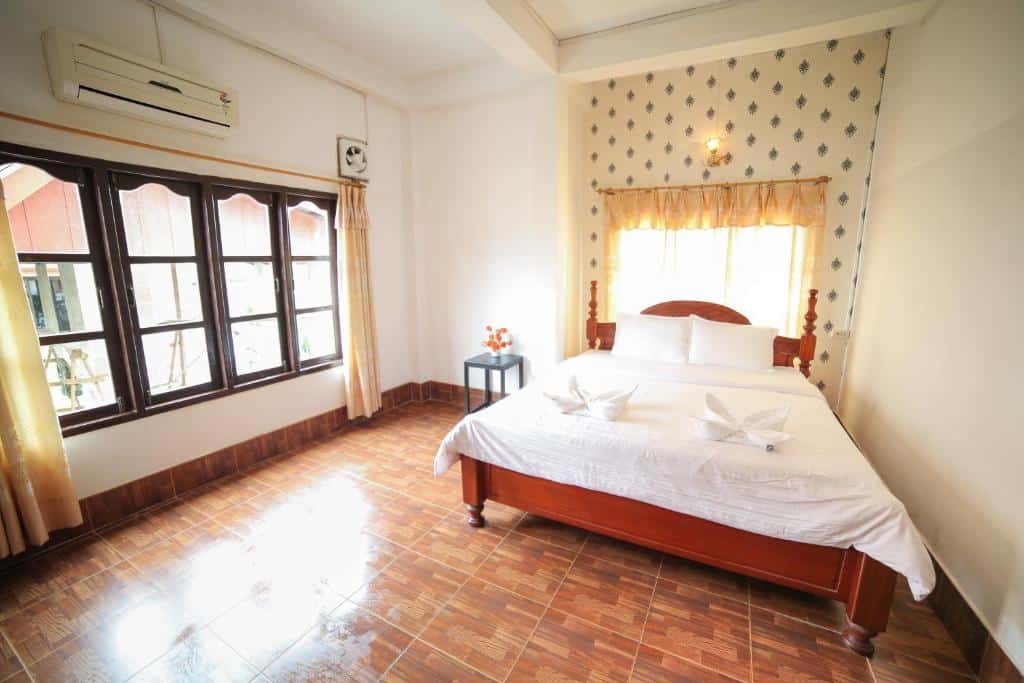
Located just a short walk from the night market and Wat Mai temple the Golden Lotus Place is a calm and cozy retreat in the heart of Luang Prabang. Travellers appreciate the peaceful garden, comfortable beds, generous breakfast, and kind staff. It’s an ideal spot for taking in the city’s spiritual and cultural charm.


Nong Khiaw: Meexok Guesthouse (9.1 “Wonderful”)
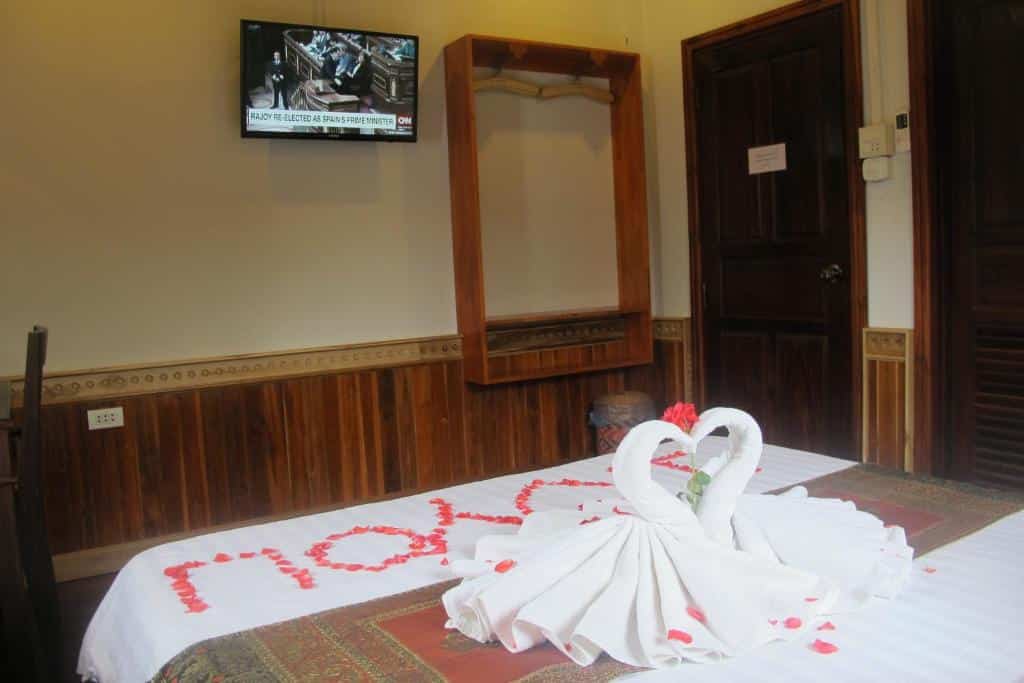
Overlooking the Nam Ou River and surrounded by dramatic limestone cliffs, this riverside guesthouse is known for its stunning views and laid-back atmosphere. Guests love the clean wooden bungalows, hammocks, and free tea and bananas. The owners are praised for being helpful and warm, making it a great base for hiking and boat trips. I mostly enjoyed the hammock on my balcony with an amazing view of the river.


Pakse: Bolaven Trail Guesthouse (9.3 “Superb”)
Perfect for travellers planning to explore the Bolaven Plateau, this locally run guesthouse has clean, bright rooms, a delicious breakfast, and exceptionally helpful staff. Guests highlight the excellent location near the bus station and the host’s assistance with planning scooter rentals, tours, and transport connections.

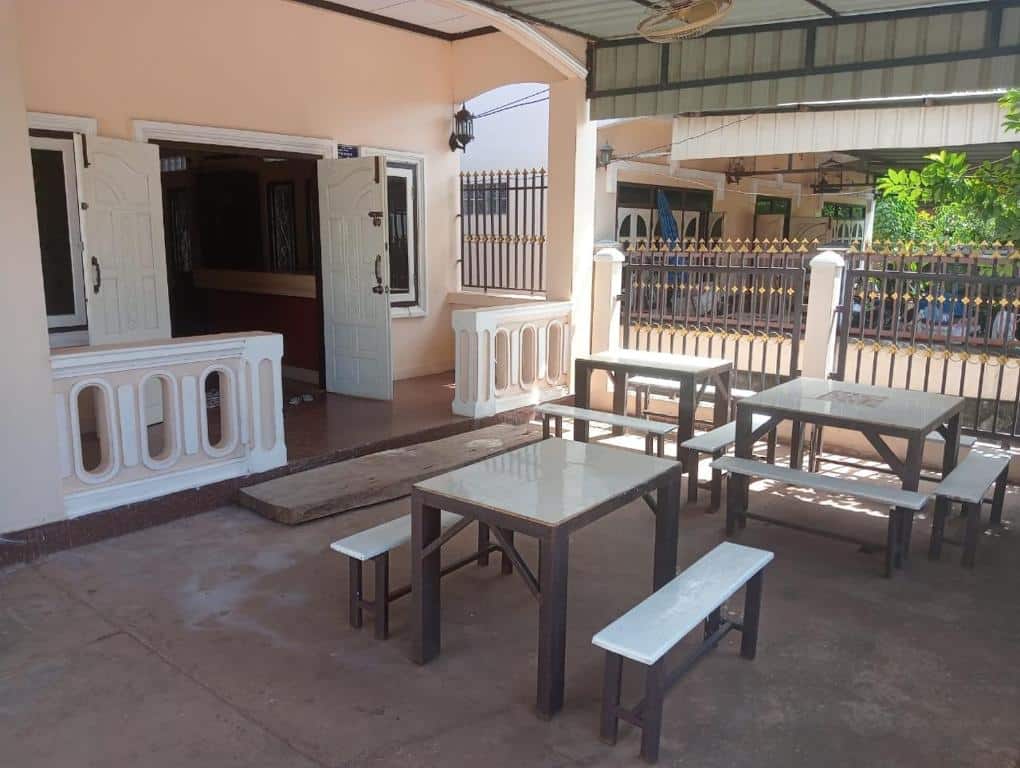

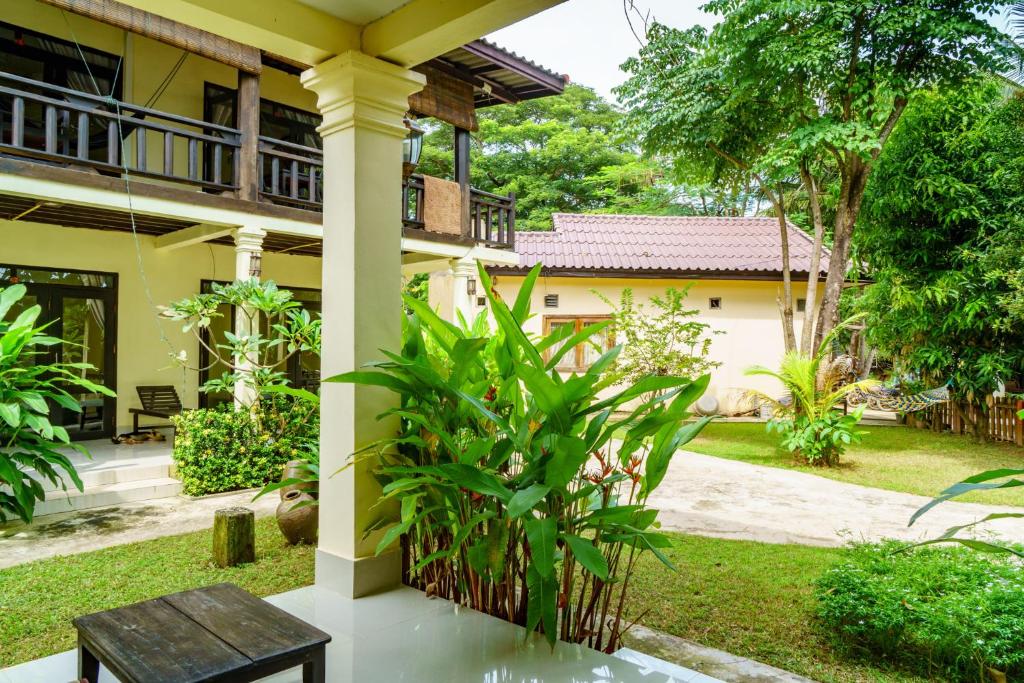
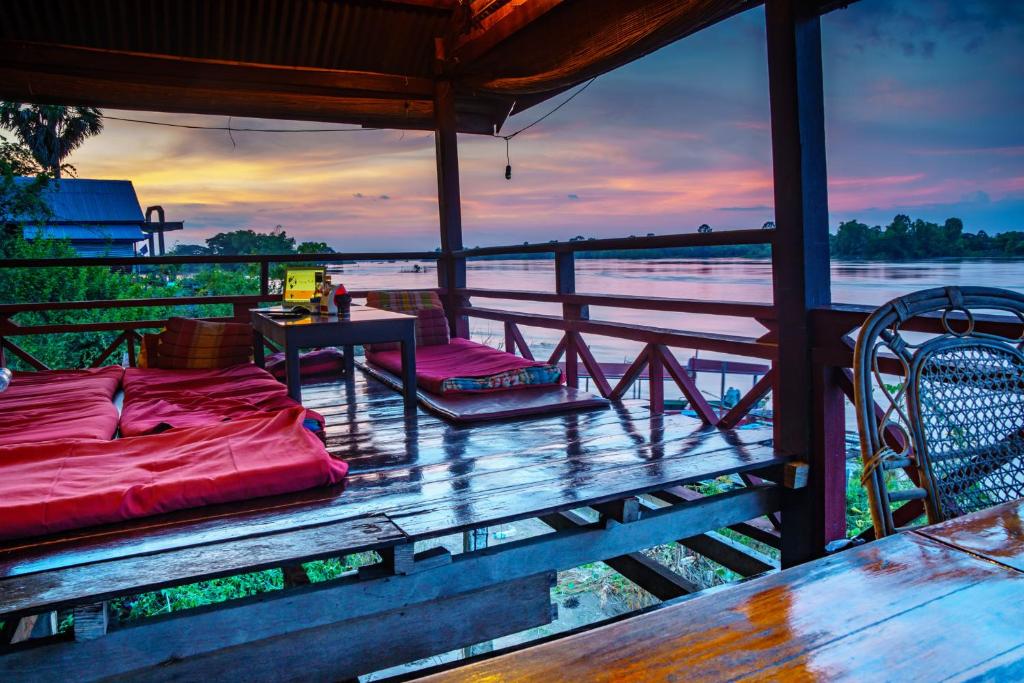
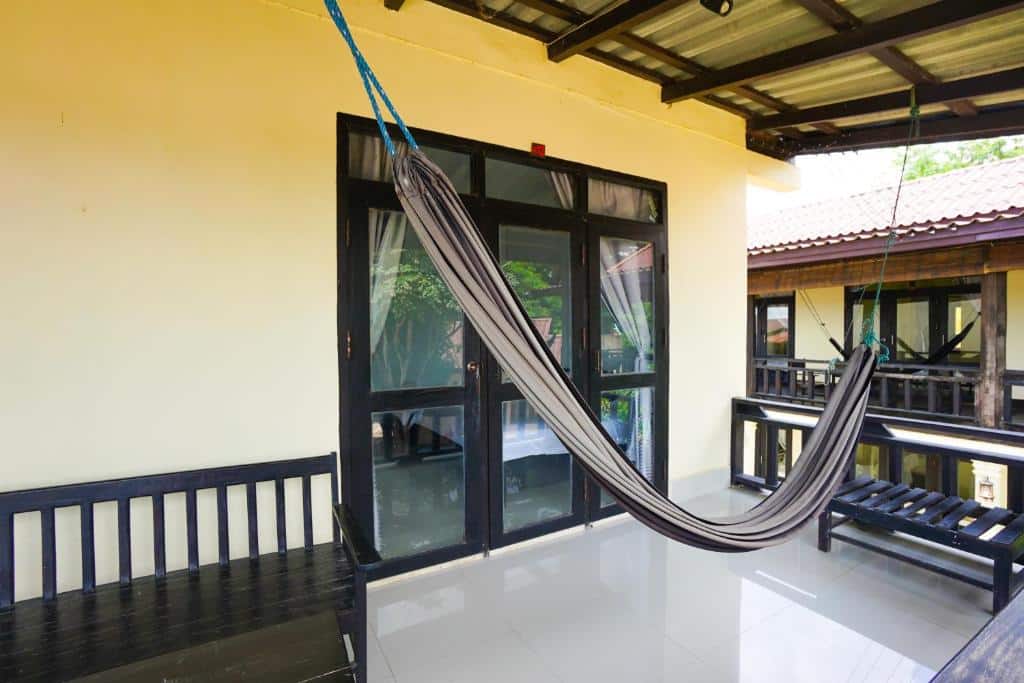
Don Det: Mr Tho’s Bungalow (8.2 “Wonderful”)
Located right on the Mekong River, Mr Tho’s Bungalow has charming bungalows with hammocks and sunset views. It’s a peaceful place with Wi-Fi, comfortable beds, and a great location close to restaurants and bike rentals. Travellers (and myself included) love the relaxed atmosphere and friendly family who runs the guesthouse.
Insider tips for travelling Laos
Travelling in Laos is all about slowing down and taking it in. This is not a country to rush through. Buses and minivans often take longer than expected, so build in extra time between destinations and try to enjoy the journey (even when it’s bumpy!). Always carry small change in Lao kip, especially in rural areas where card payments aren’t accepted. Dress modestly when visiting temples. That means covering shoulders and knees because it is a sign of respect.
While English is spoken in tourist spots, learning a few basic Lao phrases goes a long way in connecting with locals. I also recommend bringing a refillable water bottle, as many guesthouses and cafes offer free refills, helping you stay hydrated and reduce plastic waste. Try to download offline maps (like Maps.me or Google Maps offline) before heading into remote areas like Nong Khiaw or Don Det. Wi-Fi and 3G/4G can be slow or unreliable in these regions.

