
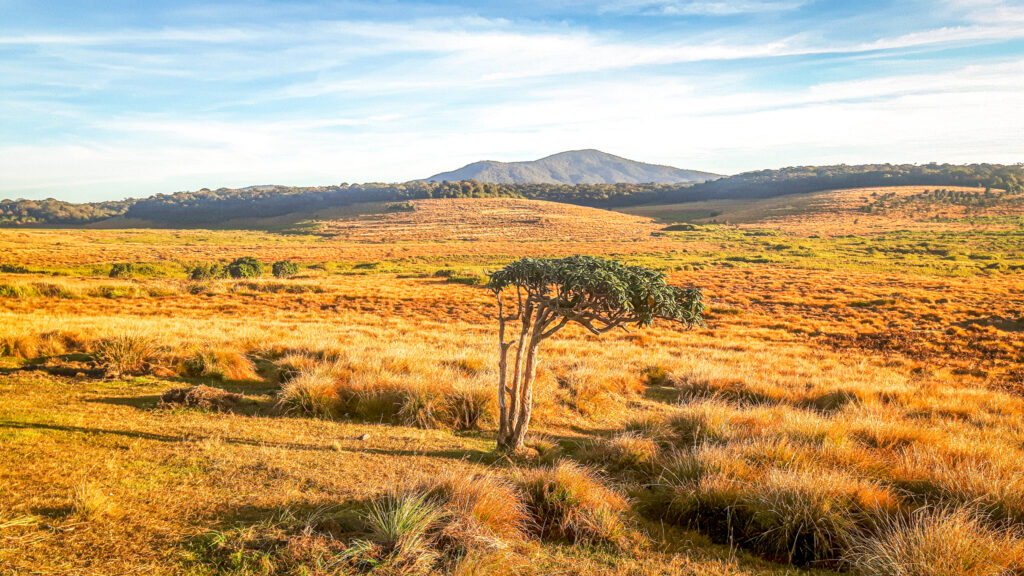
Horton Plains National Park is a breathtaking highland destinations in Sri Lanka. It is known for its mist-covered plateaus, dramatic cliffs, and unique wildlife. During my visit, I was fascinated by the serene grasslands, the views from World’s End, and the peaceful trails that go through cloud forests. In this article, I’ll share my personal tips from exploring the park. From the best time to visit and hiking routes to nearby accommodations. I help you make the most of your own adventure in this unforgettable part of Sri Lanka.
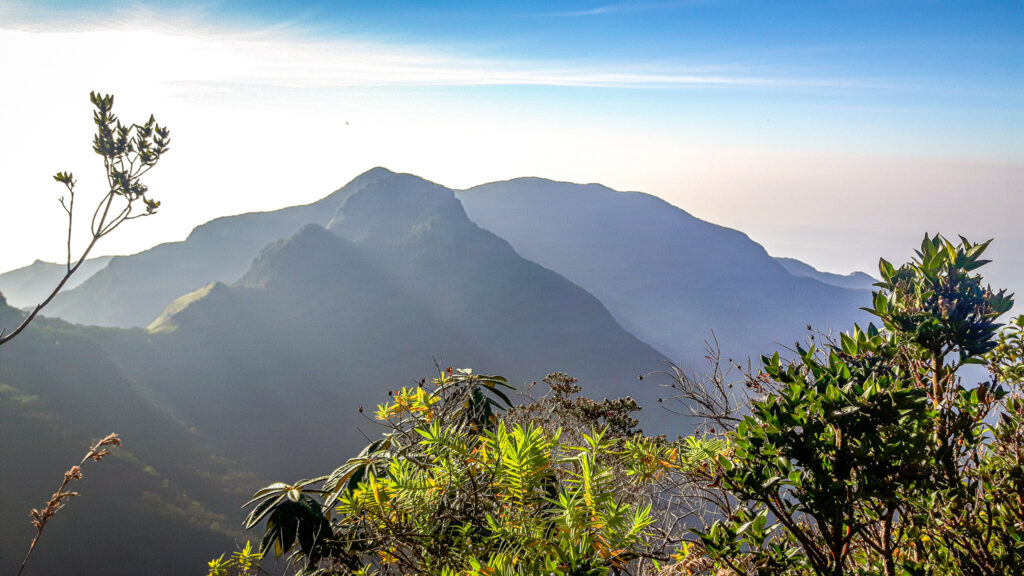
Table of Contents
History of the Horton Plains
Horton Plains is originally known as Maha Eliya Thenna (“the great open plain”). It is one of the most ancient landscapes in Sri Lanka. The Vedda people, the island’s indigenous inhabitants, once used the plateau for seasonal hunting and gathering. In the early 19th century, British explorers visited the area, and it was later named after Sir Robert Wilmot-Horton. During colonial times, the plains became popular for hunting, while surrounding forests were cleared for tea and coffee plantations.
After independence, the unique biodiversity, cloud forests, and river sources of Horton Plains drew attention from conservationists. It was declared a wildlife sanctuary in 1969 and upgraded to a national park in 1988. Today, Horton Plains is part of the Central Highlands UNESCO World Heritage Site and famous for its misty landscapes, wildlife, and iconic viewpoints like World’s End and Mini World’s End.
Geography and climate
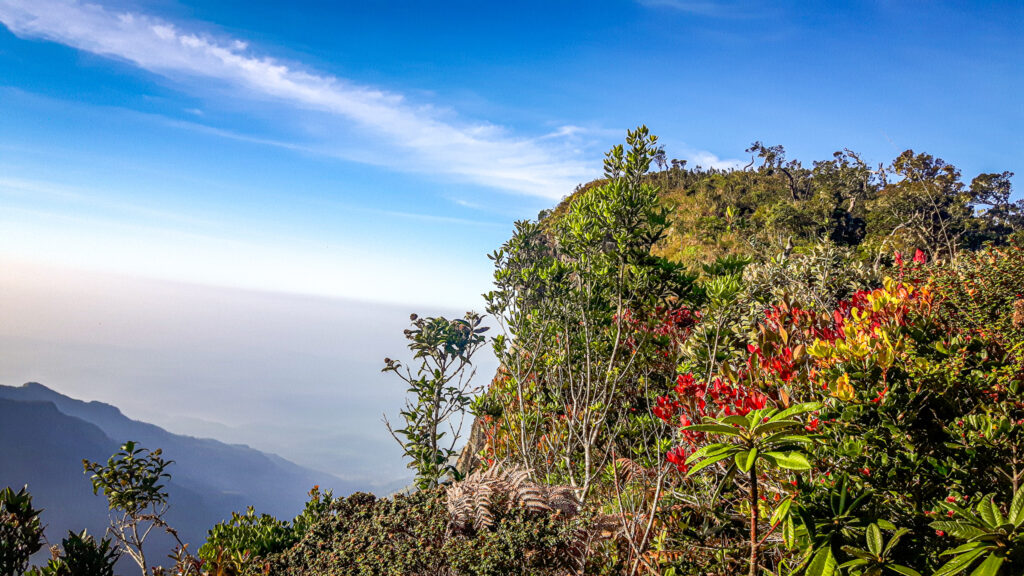
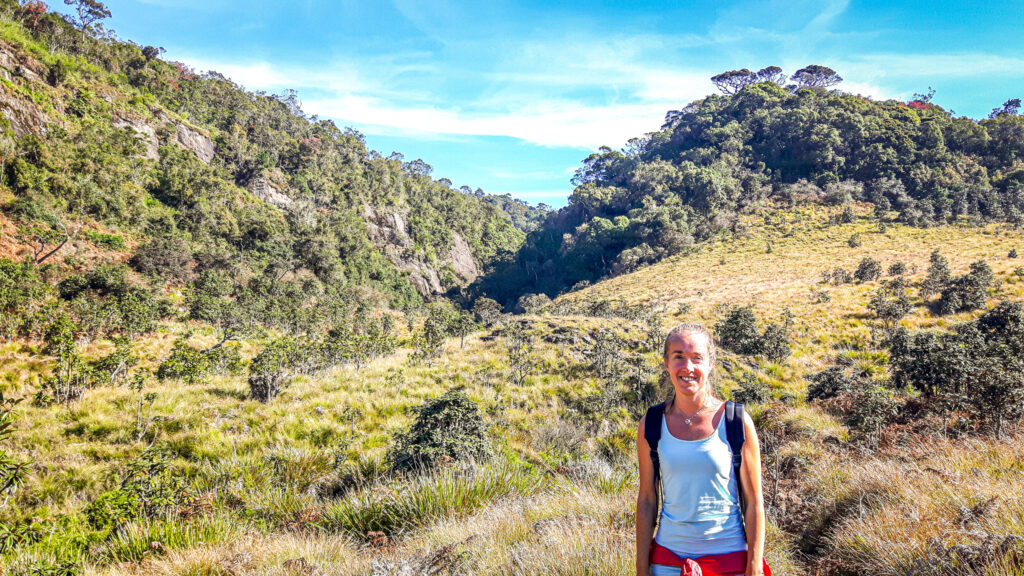
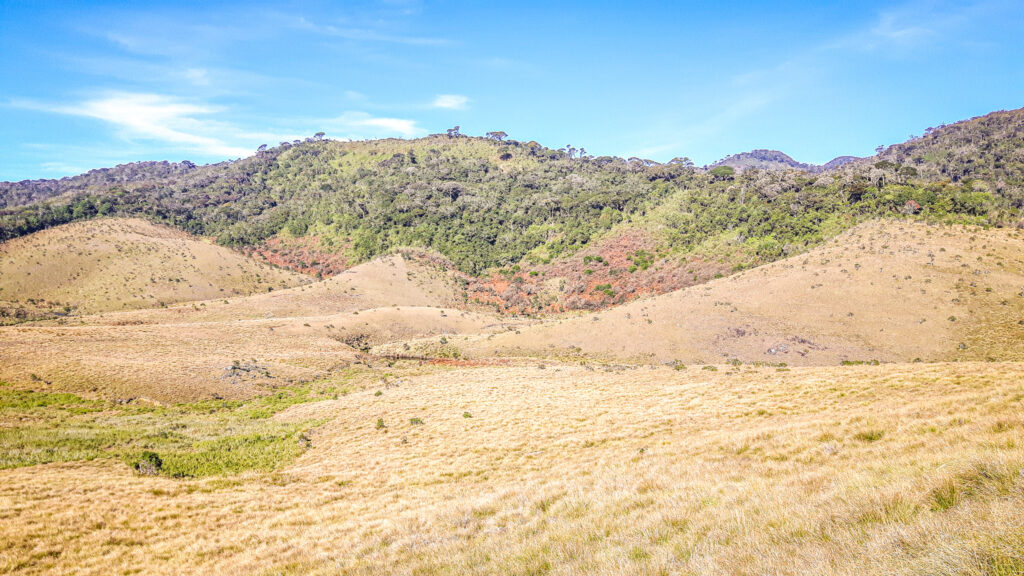
Horton Plains is located in Sri Lanka’s central highlands, at an altitude of around 2,100–2,300 meters (6,900–7,500 feet). The area is characterized by rolling grasslands, cloud forests, and mist-covered peaks, creating a unique and otherworldly landscape. The climate is cool and pleasant compared to the lowlands, with frequent fog, light rain, and crisp mornings. The weather is ideal for trekking. The plateau is also the source of three major rivers: the Mahaweli, Kelani, and Walawe.
Flora and fauna
Horton Plains is a biodiversity hotspot, home to a unique mix of grasslands, cloud forests, and endemic species found nowhere else in the world. The plateau is dotted with rare shrubs, mosses, and orchids, while the forests shelter a variety of wildlife. This includes sambar deer, leopards, purple-faced langurs, and wild boars. Birdwatchers will be delighted by species such as the Sri Lanka whistling thrush and the hill myna. The ecosystem’s delicate balance, shaped by altitude and climate, makes Horton Plains not only a stunning landscape but also a critical refuge for Sri Lanka’s highland flora and fauna.
Iconic Spots and Attractions
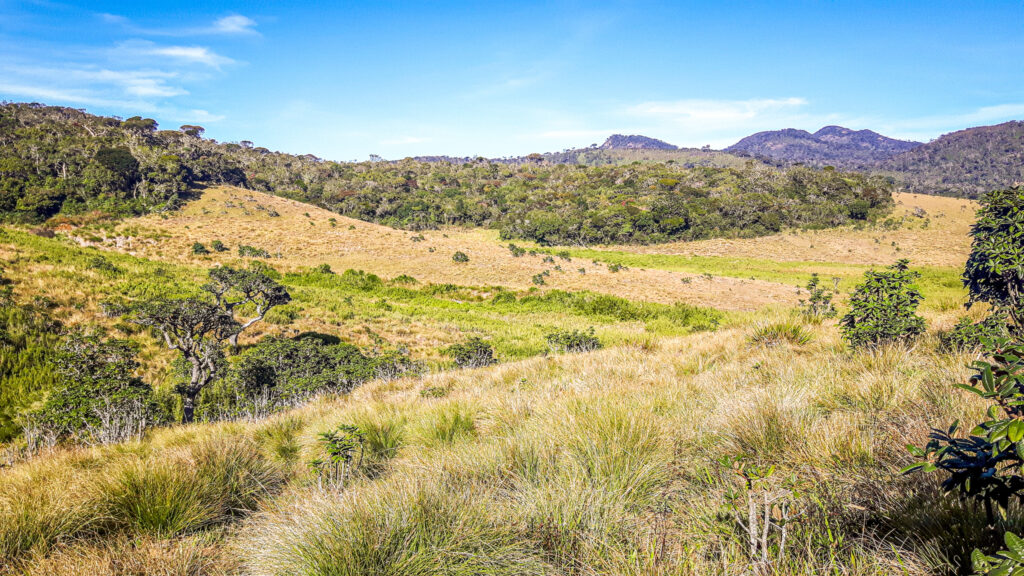
The park is famous for its breathtaking viewpoints and natural landmarks that attract trekkers and photographers. The most iconic spot is World’s End, a dramatic cliff with panoramic views over the central highlands, often covered in mist that adds a sense of mystery. Nearby, Mini World’s End provides a smaller but equally stunning view point. Other highlights include Baker’s Falls, a serene waterfall surrounded by green landscapes, and several scenic trails that go through grasslands and cloud forests. Each of these attractions show the unique beauty of the plateau, making Horton Plains a must-visit destination for nature lovers.
Hiking and Activities
Horton Plains is a paradise for hikers, with trails that go to both casual walkers and more experienced trekkers. The most popular route is the loop from the park entrance to World’s End and Baker’s Falls, a trek of about 9 kilometres that takes 3–4 hours at a leisurely pace. The paths are generally well-marked, but the plateau’s frequent fog and occasional slippery patches make sturdy shoes and caution essential. Guided tours are available for those who want expert insights into the park’s ecology and history, while self-guided hikes allow for a more personal, immersive experience. Along the way, visitors can enjoy panoramic views, spot wildlife, and experience the tranquillity of one of Sri Lanka’s most unique natural landscapes. Baker’s Falls Trail
The Kirigalpoththa Trail is the most challenging and longest hike in Horton Plains National Park, but it’s also the most rewarding. Kirigalpoththa is the highest peak of the national park and is 2,389m tall. The trail passes through tea estates, forests, and open grasslands, giving hikers a diverse range of landscapes to explore along the way. The hike takes around 7 to 8 hours, so be sure to bring plenty of water, snacks, and a sense of adventure.


Where to stay near the Horton Plains
Finding the perfect place to stay can make a visit to Horton Plains even more memorable. Whether you’re looking for a cozy homestay, a nature‑immersed eco‑village, or a wellness retreat. The areas surrounding the park has a range of accommodations that combine comfort, convenience, and breathtaking scenery. Staying nearby allows early access to the park for sunrise treks, easy trips to World’s End and Baker’s Falls. It is your chance to fully enjoy the misty highland atmosphere without rushing. Here are some top picks that travellers love for their hospitality, views, and proximity to Horton Plains.
Forest Cyniciam Homestay
Forest Cyniciam Homestay is a cosy, family‑run gem located in the tranquil hills of Ohiya. It is just a short tuk‑tuk ride from Horton Plains. Guests consistently praise the warm hospitality. Many say the hosts treated them like family from the moment they arrived. They highlight the delicious, plentiful Sri Lankan meals prepared with care. The rooms are clean, comfortable, and have mountain or garden views. The peaceful garden setting invites you to relax at sunrise or after a long hike. For travellers eager to explore Horton Plains and nearby trails, the homestay’s welcoming vibe, thoughtful support (including arranging transport to the park early in the morning), and unbeatable value make it an ideal home base.


World’s End Base Eco-Village
World’s End Base Eco‑Village feels like a hidden retreat. They are located among rice fields and mountains, with a gentle stream and even a small waterfall flowing through the grounds. They have a peaceful escape from everyday bustle. Guests rave about the warm, welcoming staff and attentive service, noting that the rooms are clean, comfortable, and often come with amazing views over the natural surroundings. The resort stands out thanks to its green landscape setting, a swimming pool for relaxing after hikes, and hearty Sri Lankan meals prepared with care. Many praise breakfast and dinner as a highlight of their stay. Families and couples appreciate the calm, spacious atmosphere, making it a favourite for those who want to rest, recharge, and take in nature after exploring nearby attractions.


The Glenrock Wellness Nature Resort
The Glenrock Wellness Nature Resort is an enchanting hideaway located in the forest and riverside surroundings near Belihul Oya. It is a perfect retreat for travellers looking for serenity and nature after a day of hiking or exploring. Guests consistently talk about the warm, attentive hospitality: many highlight how staff go above and beyond, treating visitors like family and helping arrange excursions or transfers with genuine care. The rooms go from cozy wooden chalets to river‑view suits. They are described as spotless, spacious, and comfortable, often with balconies or terraces with tranquil views over green, paddy‑fields or the flowing river. Visitors also love the authentic, freshly‑prepared Sri Lankan meals, the calming natural‑pool and spa facilities.


Practical travel tips
Visiting Horton Plains is easiest from nearby cities like Nuwara Eliya or Ohiya, with the park located about 32 kilometres from Nuwara Eliya. Most travellers reach the entrance by car or tuk-tuk, though organized tours are also available. The park opens early, around 6:00 AM, which is the best time to catch the morning mist and avoid crowds. Entrance fees apply, so it’s advisable to check current rates in advance. Comfortable walking shoes, a rain jacket, water, and snacks are essential, and it’s important to respect the park’s rules. This includes staying on marked trails and not feeding the wildlife. There are accommodation options in nearby towns, ranging from guesthouses to boutique hotels. The Horton Plains are an ideal destination for a day trip or overnight stay.
Conservation and Sustainability
Horton Plains is not only a scenic wonder but also an ecologically vital area, protected as a national park since 1988 and part of the Central Highlands UNESCO World Heritage Site. Its unique grasslands, cloud forests, and river sources play a crucial role in Sri Lanka’s biodiversity and water supply. Conservation efforts focus on protecting endemic species, preventing habitat destruction, and managing tourism responsibly. Visitors can support these efforts by sticking to marked trails, avoiding litter, and respecting wildlife. These efforts help to make sure that Horton Plains remains a pristine and thriving ecosystem for generations to come.
How to get to Horton Plains
Car or Taxi
The most convenient way to reach Horton Plains is by car or taxi from Nuwara Eliya (about 32 km, roughly 1–1.5 hours) or Ohiya (about 20 km, 45 minutes–1 hour). Roads are going through the highlands, so hire a driver familiar with the terrain if you’re not comfortable driving yourself.
Bus
Public buses run from Nuwara Eliya or Ohiya toward the park entrance, but schedules are limited and may take longer due to multiple stops.
Tour
Many travellers opt for organized day tours from Nuwara Eliya, Ella, or Kandy. These tours usually include transport, a guide, and sometimes a stop at nearby attractions.
Tips
Arrive early in the morning (around 6:00 AM) to experience the misty landscape and avoid crowds. Wear comfortable shoes and bring water, snacks, and a rain jacket, as weather can change quickly in the highlands.
Best time to visit
The ideal time to visit Horton Plains is during the dry season, from December to April, when the weather is cooler, the skies are clearer, and trails are less slippery. Early mornings are particularly magical, as the plateau is often covered in mist, creating a mystical atmosphere at viewpoints like World’s End. Avoid the monsoon months, May to September, when heavy rain can make hiking difficult and obscure the scenic vistas. For the best experience, plan your visit at sunrise, which not only offers breathtaking views but also increases your chances of spotting wildlife in the calm morning hours.
Highlights in Sri Lanka
Sri Lanka is a country valuable in culture, history, and breathtaking landscapes. There is an incredible variety of places to explore. In the heart of the island is Kandy, the last royal capital. The city is known for its sacred Temple of the Tooth Relic, peaceful lake, vibrant cultural performances, and botanical gardens.
From here, the scenery shifts dramatically as you head into the highlands toward Horton Plains National Park. This park is an other worldly plateau of grasslands, cloud forests, and dramatic cliff edges. The highlight is World’s End, a sheer 870-meter drop that offers unforgettable views on clear mornings. A visit comes with the serene beauty of Baker’s Falls and unique wildlife encounters along the trails. Travelling south brings you to the coast and the beautifully preserved Galle Fort. This is a UNESCO World Heritage Site where Dutch colonial architecture, cobbled streets, boutique cafes, and oceanfront ramparts create a charming mix of history and coastal beauty.

