

Carbonia is a unique town that combines 20th century industrial history, culture, and natural beauty. The city was founded in 1938 as a mining town. Visiting Carbonia will give you an insight into Sardinia’s coal-mining past. There are attractions like the Grande Miniera di Serbariu and the Museo del Carbone. Beyond its industrial heritage, Carbonia is a gateway to stunning archaeological sites, scenic hiking trails, and nearby islands. Sant’Antioco is a perfect island for cycling or hiking adventures. If you are interested in history, outdoor exploration, or authentic Sardinian culture, this article highlights the best sights, activities and places to stay in and around Carbonia.
This article is also featured on GPSmyCity. To download this article for offline reading or create a self-guided walking tour to visit the attractions highlighted in this article, go to Walking Tours and Articles in Carbonia.

Table of Contents
A brief history of Carbonia
Carbonia is one of Sardinia’s youngest cities. It was founded in 1938 during the Fascist era to house miners working in the nearby coal mines of the Sulcis region. The city’s name literally means “city of coal”. The name reflects its origins as an industrial centre designed to support the energy needs in Italy. Built in a rationalist architectural style typical of the period, Carbonia quickly became the heart of Sardinia’s mining industry. After World War II and the eventual decline of coal production in the 1960s, the city underwent a major change. They preserved its industrial heritage through museums such as the Museo del Carbone and the Grande Miniera di Serbariu. Carbonia is a fascinating destination that mixes 20th century history, architecture, and culture with access to beautiful landscapes and archaeological sites across Southwest Sardinia.

Highlights in Carbonia
Discover Carbonia’s unique mix of industrial history, culture, and architecture. Visit the Grande Miniera di Serbariu, the Museo del Carbone, Piazza Roma, and the Torre Littoria, and explore nearby sites like Monte Sirai for ancient ruins and panoramic views.
Grande Miniera di Serbariu
The Grande Miniera di Serbariu is Carbonia’s most iconic site. It is a former coal mine converted into a fascinating museum. You can explore the underground tunnels, learn about the town’s industrial past, and see authentic mining equipment. The museum has guided tours available and interactive exhibits that give you insight into the lives of miners and the history of Sardinia’s coal industry.

Museo del Carbone
The Museo del Carbone complements the mine visit with detailed exhibits on the geology, mining techniques, and social history of Carbonia. It’s an educational and immersive experience, perfect for understanding the region’s development and the challenges faced by the mining communities.
Piazza Roma and Torre Littoria
Carbonia’s Piazza Roma is the town’s main square, surrounded by elegant Fascist-era architecture. The square is home to the Torre Littoria. This is a tower that symbolizes the city’s 20th century origins. It’s an ideal spot for photography, strolling, or enjoying a coffee while enjoying the local atmosphere of the town centre.

Monte Sirai Archaeological Site
Just outside Carbonia is Monte Sirai. It is an archaeological site with Phoenician and Punic ruins. The site has panoramic views of the surrounding countryside and perfect if you are interested in Sardinia’s ancient civilizations. Visitors can explore tombs, ancient walls, and the remains of a small village that is located on the hilltop.
Cycling trip, beaches and highlights around Carbonia
Explore Sant’Antioco Island by bike, to historic mining sites and charming villages. Relax on Porto Pino or Costa del Sud’s stunning beaches, and don’t miss the caves of Zuddas, Iglesias, and Tratalias for history and culture.
Santadi
Santadi is a charming village in the Sulcis region. The village is known for its vineyards, local wines, and traditional Sardinian culture. Visitors can explore the historic centre, taste local specialties, and enjoy the surrounding countryside. The area is perfect for scenic walks or cycling adventures.

Cave of Zuddas
The Cave of Zuddas is located near Santadi. It is one of Sardinia’s most impressive natural attractions. This limestone cave has stalactites, stalagmites, and dramatic underground formations. They have guided tours that highlight its geological and paleontological importance. It’s a must-visit for nature lovers and photography enthusiasts.
Iglesias
Iglesias is a historic mining town with medieval churches, narrow streets, and centuries-old architecture. Visitors can explore the town centre, visit local museums, and learn about the region’s mining heritage. Iglesias is a fascinating destination for history and culture enthusiasts. Iglesias is also the starting point of the Cammino di Santa Barbara, a 30-day hiking trail through southwest Sardinia.

Tratalias
Tratalias is a small village famous for its Romanesque-style church, the Chiesa di Santa Maria di Monserrato. It is one of the finest examples of Sardinian medieval architecture. The village’s quiet streets and historical charm make it a peaceful stop on a cultural tour of Southwest Sardinia.


Miniera di Rosas
The Miniera di Rosas is an old mining site and an important part of Sardinia’s industrial heritage. Visitors can explore the area to see abandoned mining structures, tunnels, and machinery. The museum gives an insight into the lives of miners and the region’s coal mining history. Guided tours are available, providing historical context and fascinating stories about the site.
Cycling day trip at Sant’Antioco Island
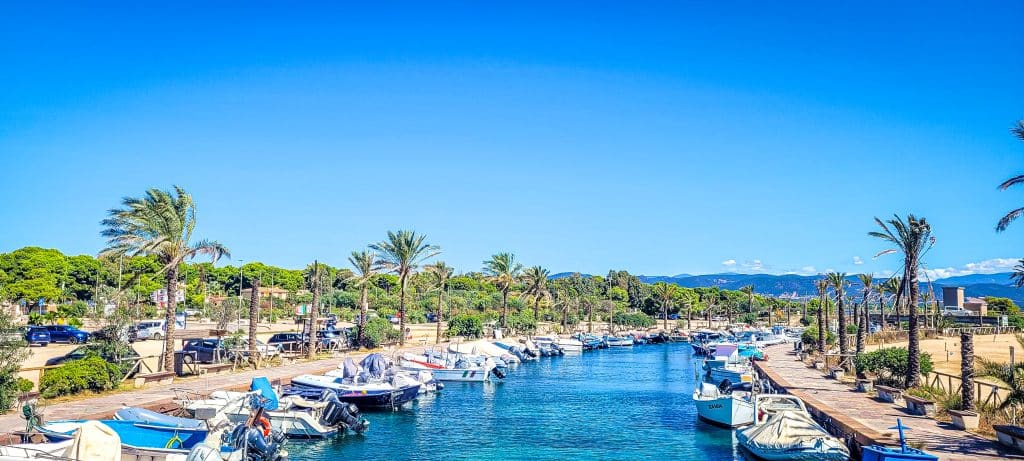
A short drive from Carbonia is Sant’Antioco Island. This island is perfect for a day trip or a cycling adventure. With charming villages, crystal-clear beaches, and archaeological sites, it’s ideal for combining outdoor activities with cultural exploration. Cycling around the island is highly recommended to fully appreciate its beauty and coastal scenery.
Reading tip: Exploring Sant’Antioco by bike: A scenic cycling day trip in Sardinia



Costa del Sud and Porto Pino
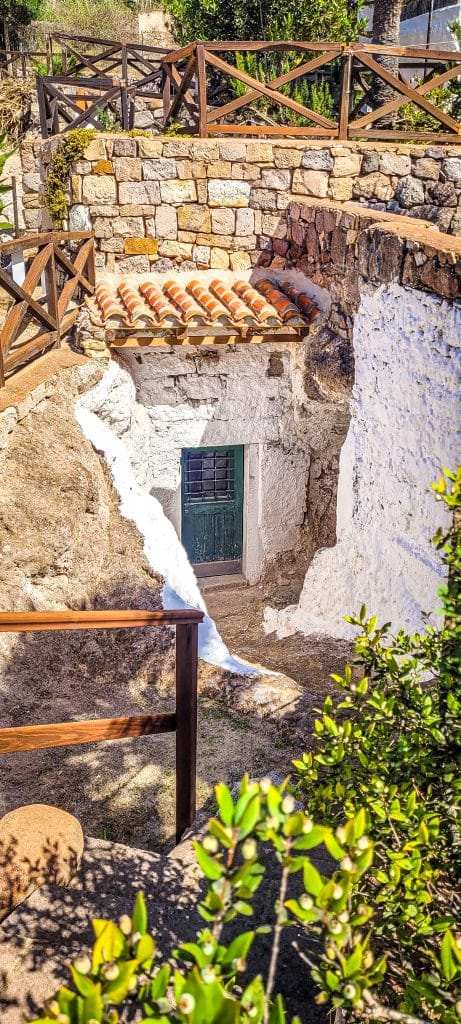
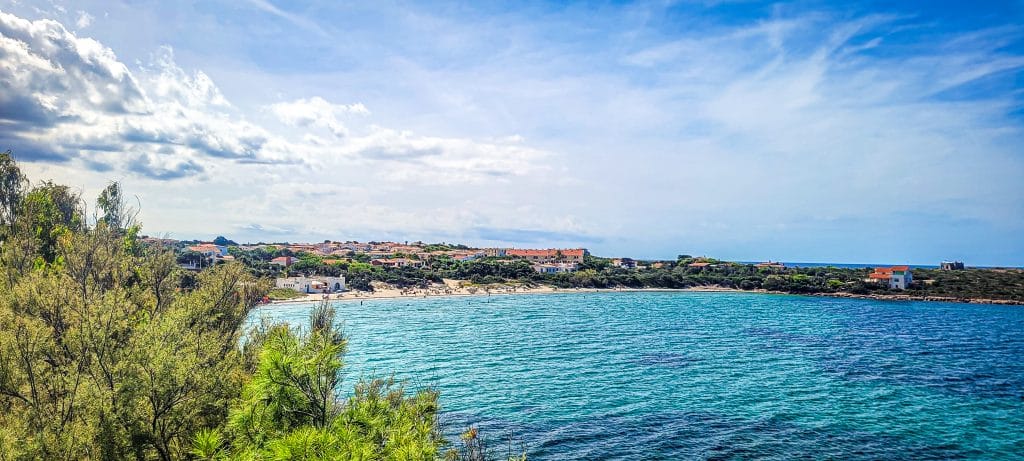
For nature lovers, the Costa del Sud and Porto Pino are some of Southwest Sardinia’s most stunning landscapes. White sand beaches, turquoise waters, dunes, and limestone cliffs make these coastal areas perfect for swimming, sunbathing and scenic walks. They’re easily accessible from Carbonia, making them great options for half-day or full-day trips.
Cammino Minerario di Santa Barbara
Carbonia is an excellent starting point for hiking the Cammino di Santa Barbara. This is a long-distance hiking route that tracks the historic mining and cultural landscapes of Southwest Sardinia. The trail passes through ancient mining sites, forests, and charming villages. The Cammino is a unique combination of history, nature, and local culture. Around Carbonia, there are also shorter trails and scenic loops perfect for day hikes, including paths through the Sulcis countryside, Monte Sirai, and coastal trails near Sant’Antioco. If you interested in history, industrial heritage and stunning natural scenery, these trails are an authentic way to experience the landscapes surrounding Carbonia.
Where to stay in Carbonia
Carbonia has a variety of accommodation options for every type of traveller. From modern hotels with full amenities to cozy family-run B&Bs that provide the warmth of Sardinian hospitality. You’ll find plenty of places that make an excellent base for exploring Southwest Sardinia and the nearby Sulcis region.
Lu’ Hotel Carbonia
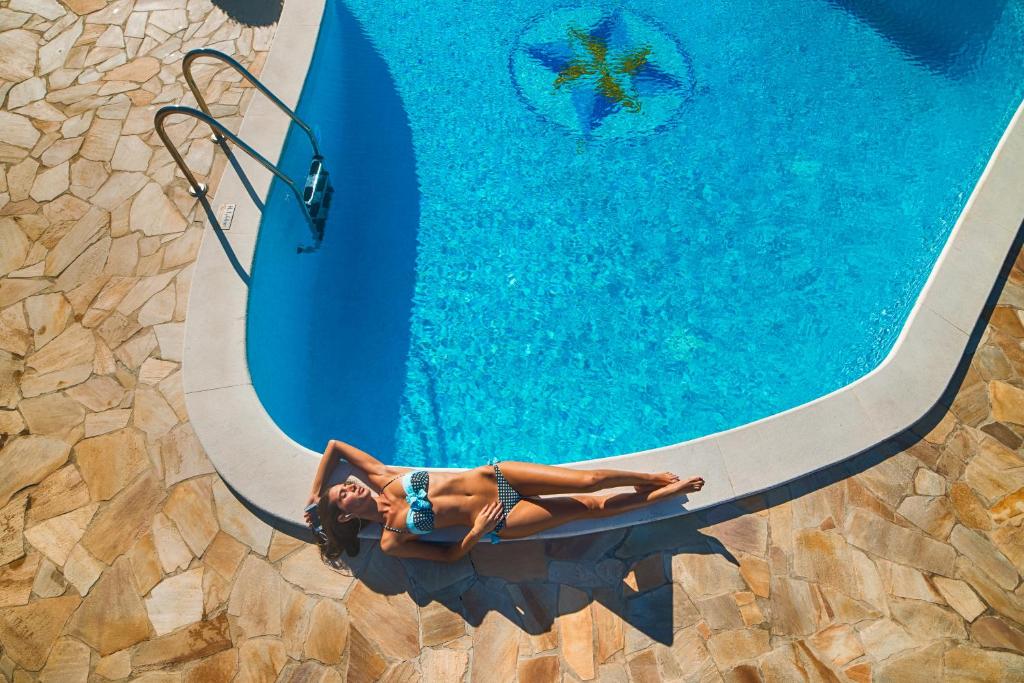
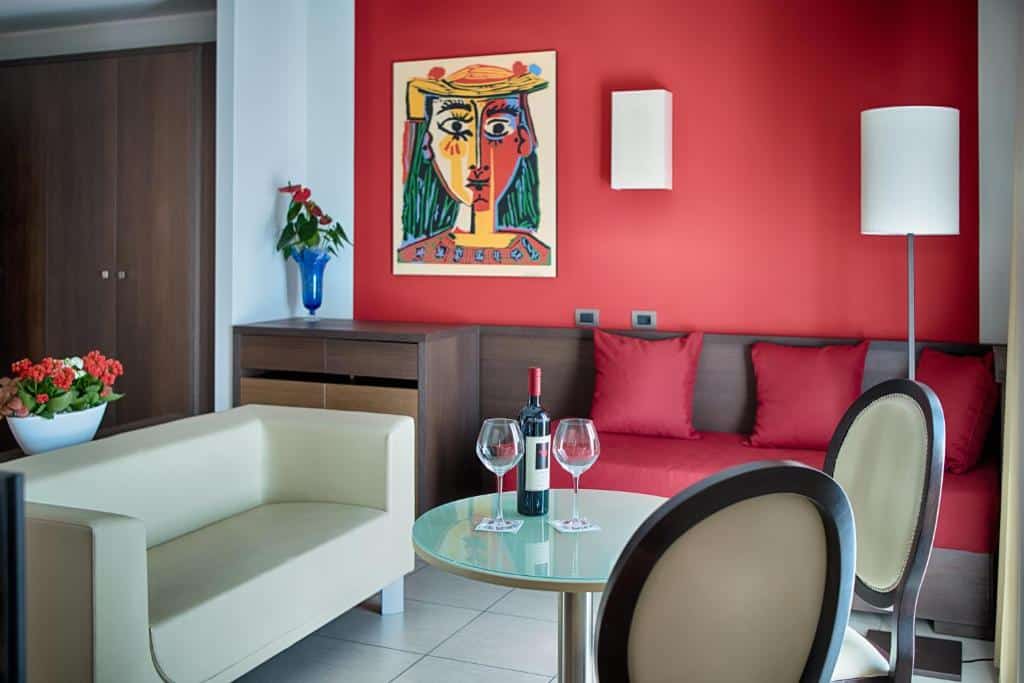
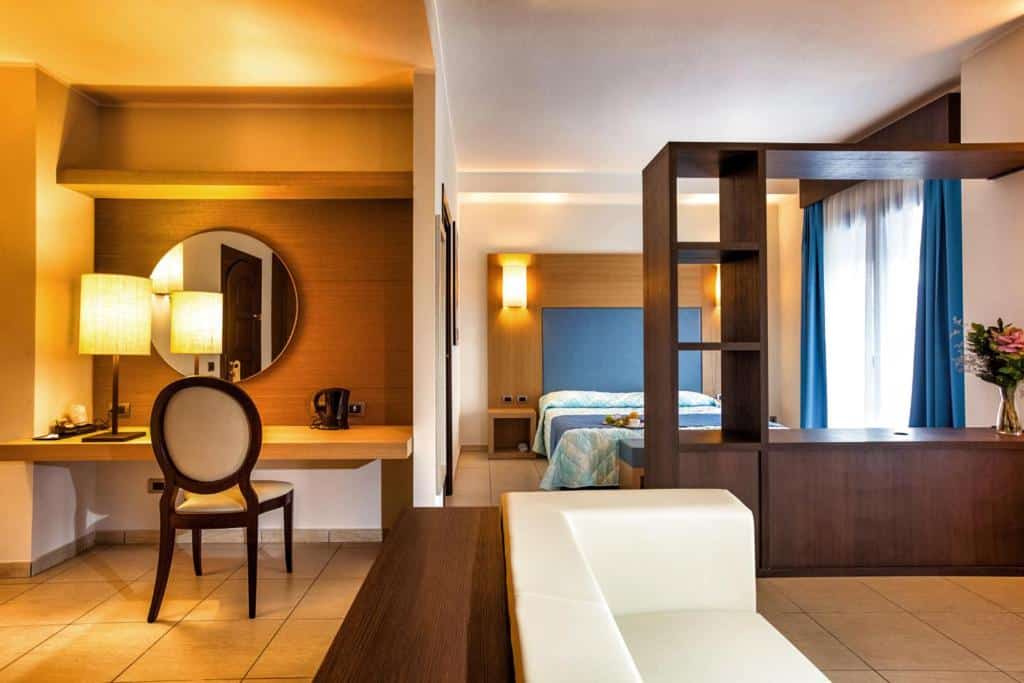
Lu’ Hotel Carbonia is a modern 4-star hotel located near the centre of Carbonia. They offer a mix of comfort, wellness, and Sardinian hospitality. The hotel has elegant rooms with air conditioning, free Wi-Fi, and private terraces. There is a restaurant serving traditional Sardinian cuisine. Guests especially praise the outdoor swimming pool, relaxing spa with sauna and Turkish bath, and the friendly, professional staff. With its excellent breakfast, clean rooms, and convenient location close to Sant’Antioco and the Costa del Sud. Lu’ Hotel Carbonia is an ideal base for exploring Southwest Sardinia.
A Casa Di Angela B&B
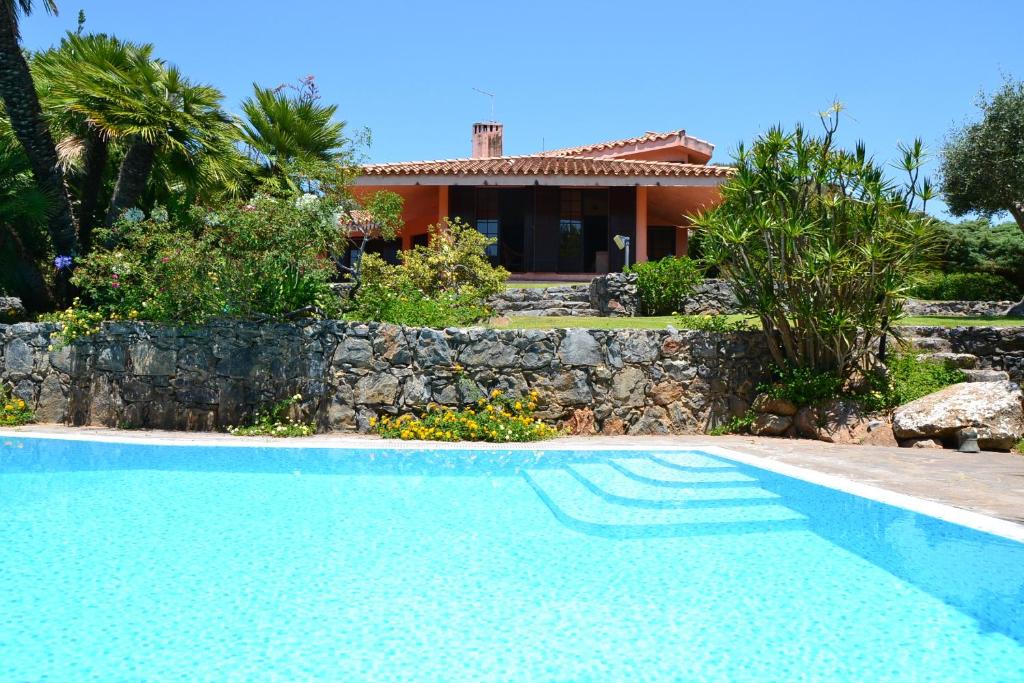
A Casa di Angela B&B provides a warm and welcoming atmosphere just a short walk from Carbonia’s town centre. This charming bed and breakfast is known for its spotless rooms, comfortable beds, and delicious homemade breakfast with local Sardinian products. Guests often highlight the kindness and hospitality of the owner. They provide helpful travel tips and makes visitors feel at home. With its peaceful location, excellent value for money, and easy access to Carbonia’s main attractions, Casa di Angela B&B is a perfect choice for travellers interested in comfort and authenticity in Southwest Sardinia.

B&B il Rifugio
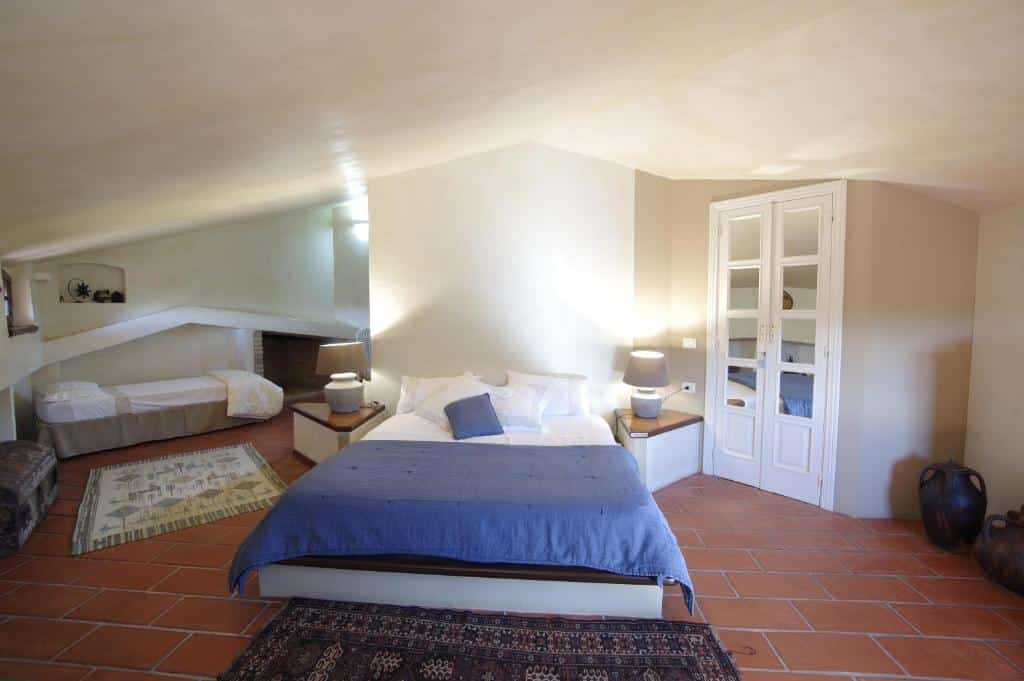
B&B Il Rifugio is a welcoming and peaceful guesthouse located close to the centre of Carbonia. Guests appreciate the clean, spacious rooms, quiet surroundings, and the friendly hosts who go out of their way to make every stay enjoyable. The homemade breakfast with local products, receives excellent reviews for its quality and variety. With its cozy atmosphere, great hospitality, and convenient location guests leave excellent reviews.


Festivals in Carbonia
Carbonia is a lively town with a calendar full of festivals and cultural events that celebrate its history, traditions, and community spirit. One of the most prominent events is the Festa di San Ponziano. They honour the town’s patron saint with religious processions, music, and local food. Carbonia also hosts seasonal cultural festivals, markets, and music events that highlight Sardinian traditions, crafts, and gastronomy. Visitors can also enjoy performances, exhibitions, and local celebrations that often take place in Piazza Roma or at historic sites like the Grande Miniera di Serbariu. These festivals are a perfect opportunity to experience the local culture and connect with the community while exploring the history and charm of Carbonia.
Best time to visit
The ideal time to visit Carbonia is during the spring (April to June) and early autumn (September to October). Around these months the weather is mild, sunny, and perfect for exploring the town, nearby trails, and beaches without the summer crowds. Spring brings blooming landscapes and comfortable temperatures for hiking the Cammino di Santa Barbara or cycling around Sant’Antioco. Early autumn is perfect for warm seas and pleasant days for coastal excursions. Summer (July–August) can be hot, especially inland, but it’s also when local festivals and events take place, adding a lively cultural experience. Visiting during the shoulder seasons allows travellers to enjoy Carbonia’s history, nature, and surrounding attractions at a relaxed pace.

How to get to Carbonia
Carbonia is easily accessible by car, train, or bus, making it a convenient base for exploring Southwest Sardinia. By car, the town is well-connected via the SS126 from Cagliari, approximately 70 km away. Public transport options include trains and buses from Cagliari and Iglesias. The nearest airport is Cagliari Elmas Airport (CAG), about an hour’s drive from Carbonia. Until December 2026 there is no train service from Cagliari to Carbonia and vice versa. There are buses available and they only make stops at the in-between train stations. You can book these bus tickets via Trenitalia. For the local ARST buses it easy to book tickets and check schedules via the app Around Sardinia.

Highlights of Sardinia: where to go, what to see & insider travel advice
Discover the authentic side of Sardinia through my detailed travel articles that explore the island’s most fascinating corners. From the dramatic cliffs and scenic hiking trails of Nebida and Masua, where the impressive Pan di Zucchero sea stack dominates the horizon, to the charming fishing village of Carloforte on San Pietro Island, perfect for a peaceful day trip. Each article reveals the beauty and history of Sardinia’s southwestern coast. Continue your journey in Iglesias, a town known for the mining heritage. A short drive and you will find a few golden beaches. Iglesias is also the starting point of the Cammino di Santa Barbara trail. If you like to cycle you should visit Sant’Antioco island. It is a perfect day trip in southwest Sardinia. Each article has practical tips, local insights, and curated routes to help you plan an authentic travel experience away.

Highlights in Italy
Italy has many monumental cities that are worth a visit. Trento is a city of Renaissance charm and Alpine heritage. The city has many monumental highlights to visit such as the cathedral and the Castello del Buonconsiglio. Verona is famous for the setting of Shakespeare’s Romeo and Juliet and beautiful medieval streets.
The city of Venice is world famous for its canals, magnificent palaces, and the iconic Piazza San Marco. But Venice has more to offer. The nearby lagoons of Venice are perfect to visit on a day trip. Bologna is known as the food capital of Italy. The city comes with medieval towers, beautiful arcades, and historical landmarks like the Basilica di San Petronio.
Also Padova is well worth a visit with its stunning medieval squares and Scrovegni Chapel. If you are travelling towards Slovenia, don’t forget to visit Trieste. This beautiful city is located at the Adriatic Sea and combines history, architecture and culture with a maritime feel. Other destinations to keep in mind are Florence, Udine and Torino. Or visit the maritime city of Genova. Are you spending a few days in Milan and would like to spend a day outdoors? Visit the beautiful Lake Como and go for a refreshing swim in the lake. Or visit the historic centre of Bergamo.
I recently published a new guide on hiking from Santa Margherita Ligure to Portofino! Discover insider tips for navigating this stunning coastal trail, enjoy breathtaking sea views, and make the most of your hike along one of Italy’s most scenic routes.
Reading tip: Beginners travel guide to Italy

